Africa is closer to the UK than many people think, not in miles but in time zones. Kenya and Tanzania are only two or three hours ahead of London and South Africa one or two, so even after an overnight flight you wake up close to your own body clock. With no real jet lag to lose days to, ten days feels like a proper trip.
The flights are straightforward, too. At the time of writing you can fly nonstop from London to Nairobi, Johannesburg, Cape Town and Mauritius, and direct from several UK airports to Cabo Verde's beach islands. Almost everywhere else is one connection away, and British Airways has announced seasonal Gatwick flights to Kilimanjaro and Zanzibar from summer 2027.
School holidays shape many British trips, and the calendar is kind. The summer holidays coincide with East Africa's dry season and the Great Migration in the Maasai Mara, and October half-term is still excellent for safari. Christmas and February half-term fall in the southern summer, with Cape Town, the Garden Route and the Indian Ocean islands at their sunniest.
British travelers also have a head start on self-drive: South Africa, Namibia, Botswana, Kenya, Tanzania and Mauritius all drive on the left.
A human travel designer builds your trip around school-holiday dates, flights from your nearest airport and the pace you want. Prices can be shown in pounds (converted approximately from US dollars), and you pay nothing until you've approved your itinerary and quote.
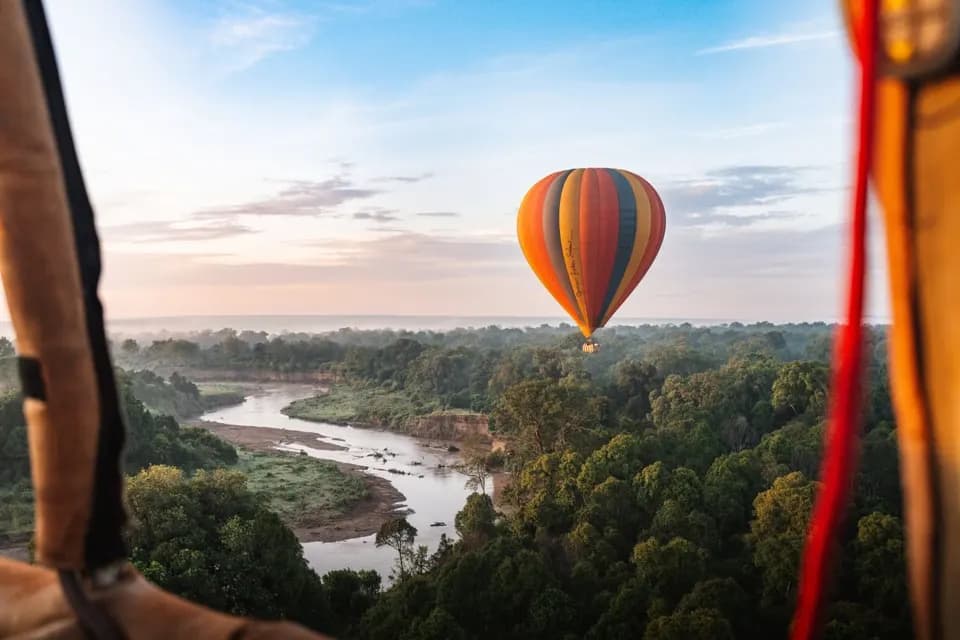
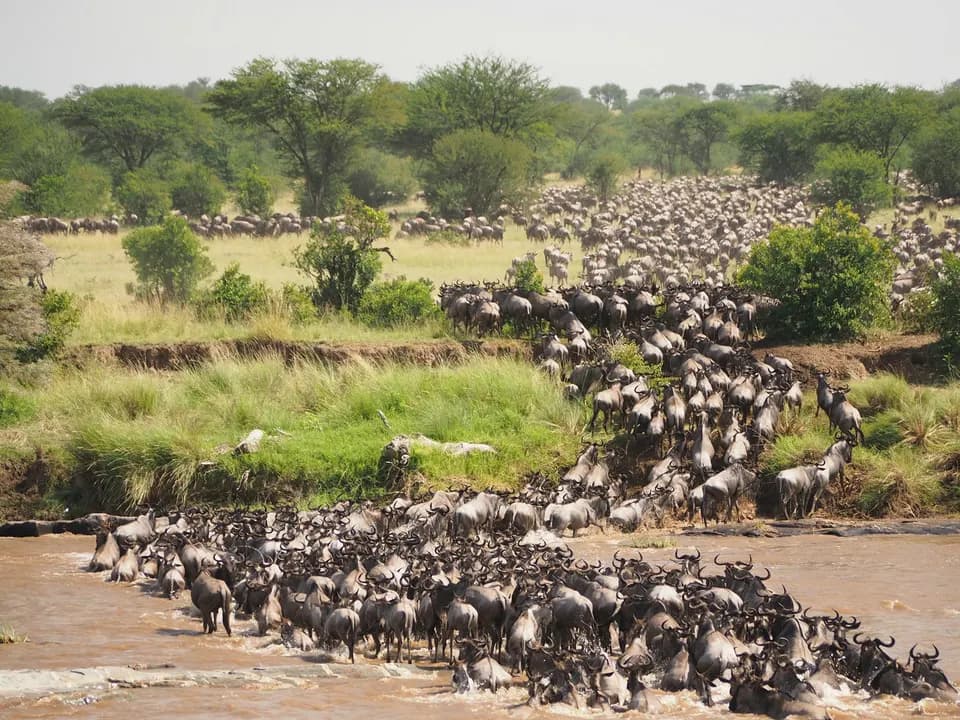
London to Nairobi is a nonstop overnight flight of roughly nine hours with British Airways or Kenya Airways at the time of writing, and the Mara is about an hour on by light aircraft. With Kenya only two hours ahead in summer, the migration season (usually July to October) fits the school summer holidays and October half-term.
Overnight nonstops from Heathrow to Cape Town and Johannesburg (around 11–12 hours) and a one- or two-hour time difference make South Africa one of the easiest long-haul trips without jet lag. Driving on the left makes a Garden Route self-drive feel familiar, and the southern summer covers Christmas and February half-term.
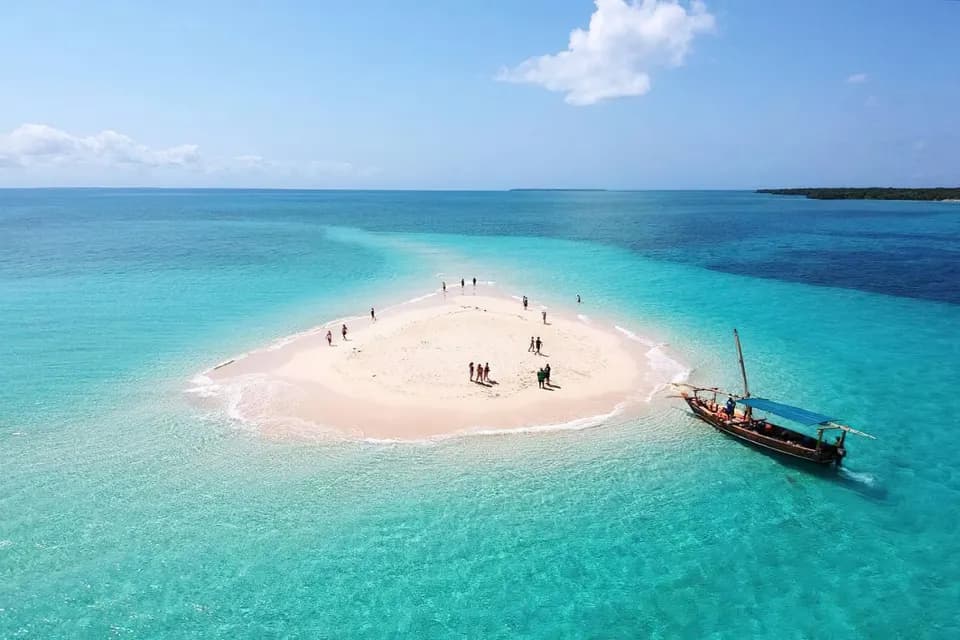
Zanzibar's dry seasons (roughly June–October and December–February) cover both the summer holidays and Christmas. There's no nonstop from the UK at the time of writing, but one-stop routings via Amsterdam, Addis Ababa, Nairobi, Istanbul, Doha or Dubai take around 12–17 hours, and British Airways has announced seasonal Gatwick flights from May 2027.
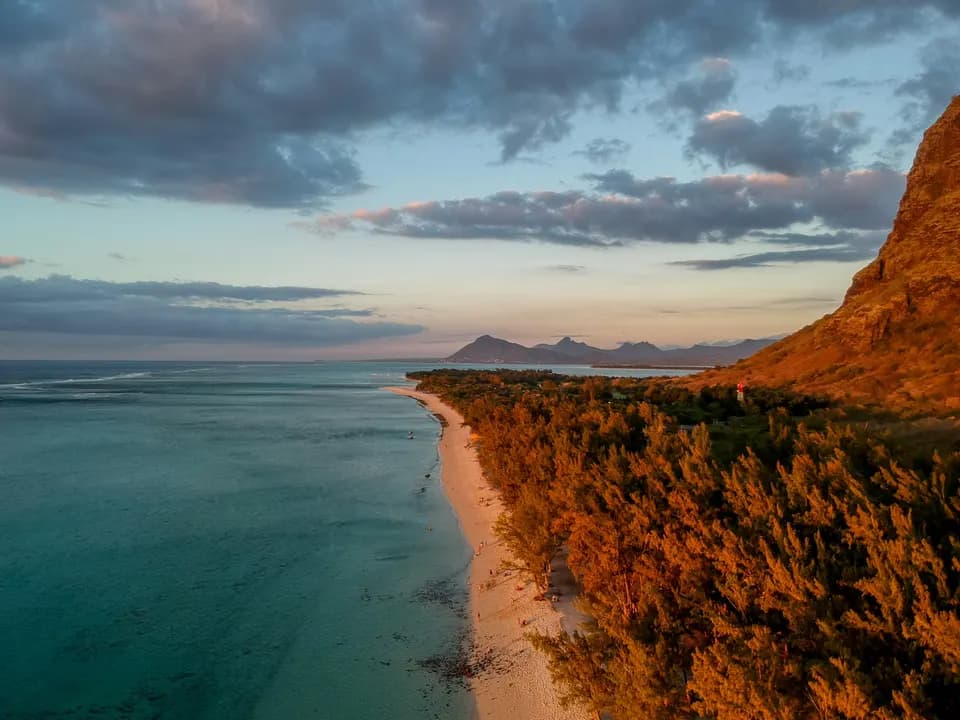
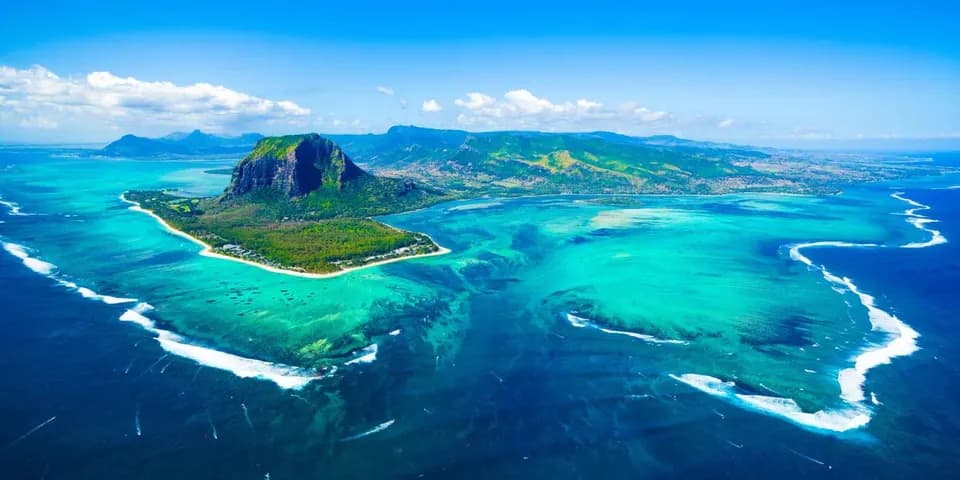
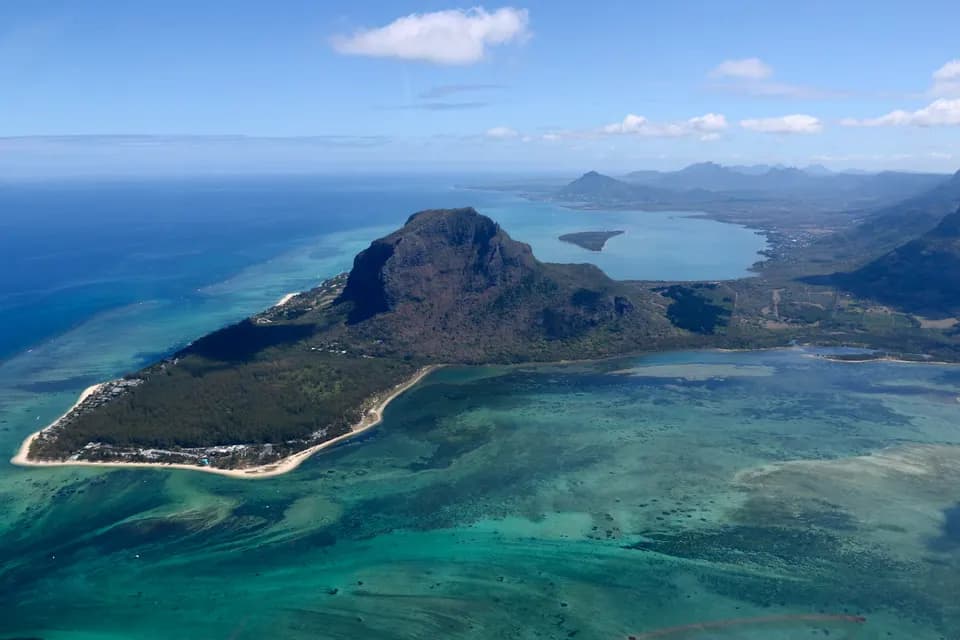
Air Mauritius and British Airways fly nonstop from Gatwick at the time of writing, roughly 12 hours overnight, and Mauritius is only three or four hours ahead. It's a classic winter-sun and honeymoon choice, and during the school summer holidays the Mauritian winter is pleasantly warm rather than hot.
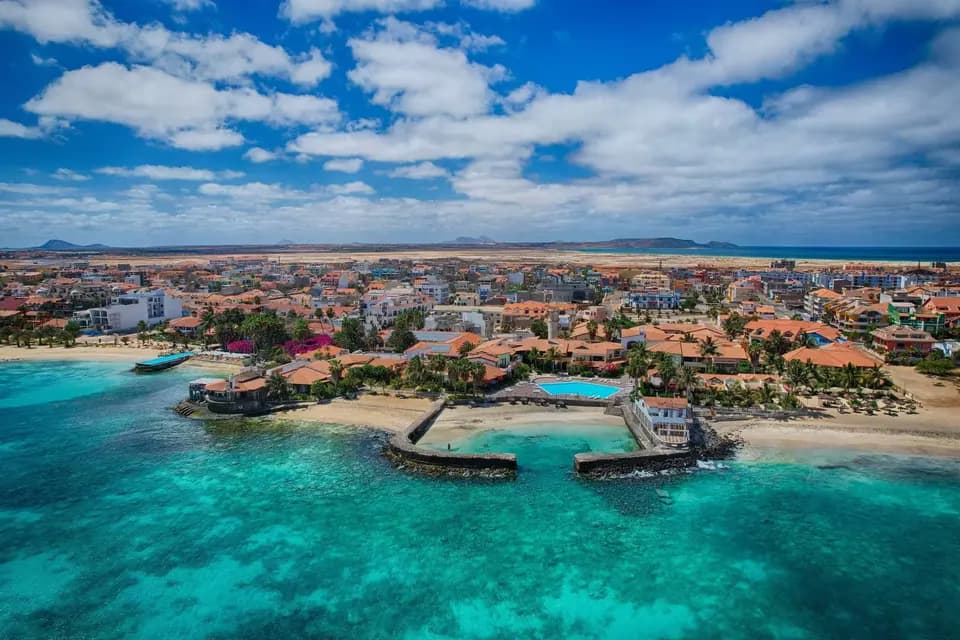
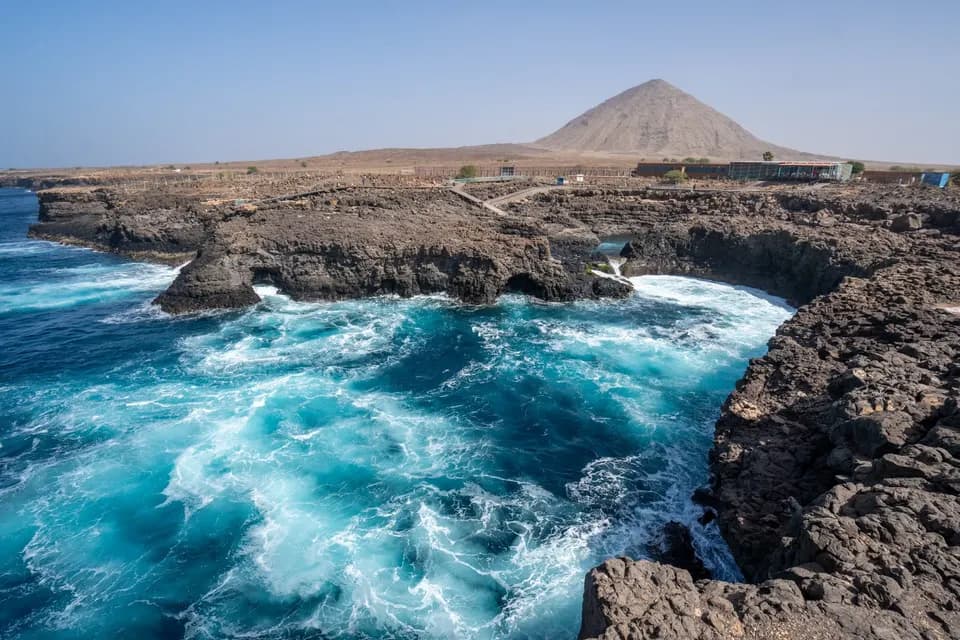
Around six hours direct from Gatwick, Manchester, Bristol and other UK airports, and only one or two hours behind UK time, Cabo Verde is one of the easiest winter-sun escapes in Africa. Sal and Boa Vista have long beaches and reliable winds for kitesurfing; add Santo Antão for mountain hiking.
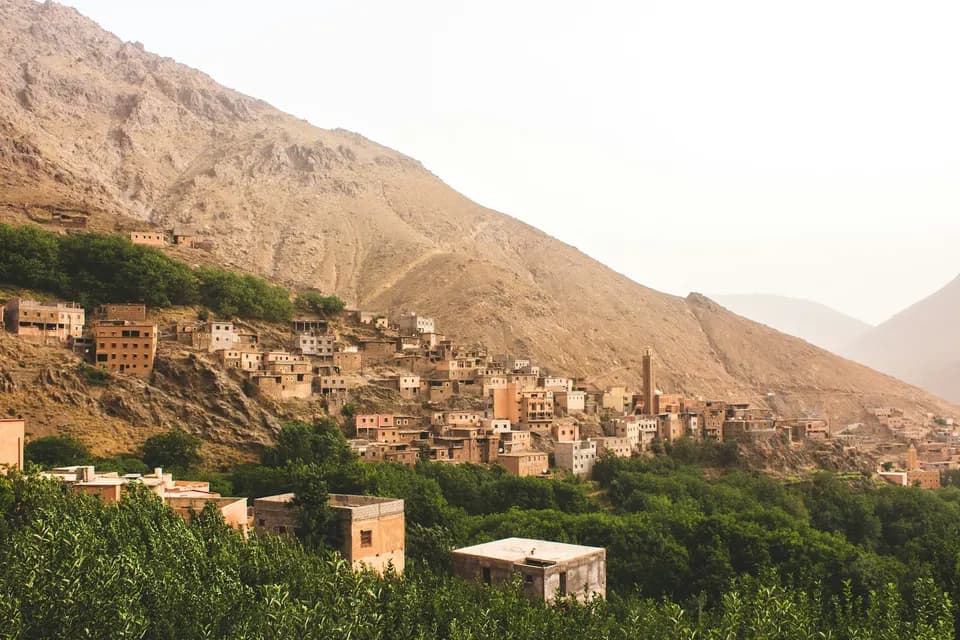
Marrakech is under four hours from London and Manchester, with plenty of direct flights, and at the time of writing Morocco keeps GMT year-round, so there's no time change at all in winter. A long weekend in the medina can stretch to the Atlas Mountains or the Sahara over half-term.
Cairo is about five hours nonstop from Heathrow, and October to April brings comfortable temperatures for the temples of the Nile Valley, so October half-term, Christmas and Easter all fit well.
What travelers from the United Kingdom love
Safari & Wildlife — From a first Big Five safari in South Africa to the migration in the Mara, the short time difference means you can be on a game drive the day after you land.
Beaches & Islands — Winter sun is a big draw: Mauritius, Zanzibar and Cabo Verde are warm when the UK isn't, and a beach finish after a safari needs only a short regional flight.
Family Adventures — School-holiday safaris work best with family-friendly camps, private vehicles and short transfers. Some camps set minimum ages for game drives, so we match lodges to your children from the start.
Romance & Honeymoons — Safari-and-beach honeymoons, such as Kenya with Zanzibar or South Africa with Mauritius, pair overnight flights and little jet lag with two very different kinds of wow.
Adventure — Gorilla trekking in Rwanda, hiking on Cabo Verde's Santo Antão, or a left-hand-drive road trip through South Africa and Namibia.
Who we plan for
Families — Planned around school holidays and half-terms, with realistic transfer times for children and family rooms or tents booked early.
Couples — Honeymoons and milestone anniversaries, often combining a safari with Mauritius, Zanzibar or the Seychelles.
Solo Travelers — Solo travelers who want guiding and logistics taken care of without joining a large group. We'll flag where single supplements apply.
Private Groups & Celebrations — Multigenerational trips and celebrations, often timed for the summer holidays when the whole family is free.
Getting there from the United Kingdom
Departure gateways
From
Airport
Good to know
London
Heathrow Airport (LHR)
Nonstops to Nairobi, Johannesburg, Cape Town and Cairo, and the widest choice of one-stop connections.
London
Gatwick Airport (LGW)
Nonstops to Mauritius and Nairobi, seasonal Cape Town flights and direct flights to Cabo Verde; BA has announced Kilimanjaro and Zanzibar for summer 2027.
Manchester
Manchester Airport (MAN)
Direct flights to Cabo Verde and Marrakech, plus Emirates, Qatar Airways, Etihad and Turkish Airlines connections.
Birmingham
Birmingham Airport (BHX)
TUI flights to Cabo Verde, plus connections via Dubai, Doha, Istanbul and Amsterdam.
Bristol
Bristol Airport (BRS)
Direct flights to Sal in Cabo Verde; for long-haul Africa, connect via London or a European hub.
Edinburgh
Edinburgh Airport (EDI)
One-stop connections via Dubai, Doha, Istanbul or Amsterdam.
Glasgow
Glasgow Airport (GLA)
Emirates via Dubai and KLM via Amsterdam, plus TUI flights to Cabo Verde.
Newcastle
Newcastle International Airport (NCL)
Emirates via Dubai and KLM via Amsterdam, plus TUI flights to Cabo Verde.
Nonstop and direct at the time of writing
Kenya: British Airways and Kenya Airways fly nonstop from Heathrow to Nairobi, and Kenya Airways also flies from Gatwick. The flight takes roughly 8.5–9 hours and usually runs overnight.
South Africa: British Airways flies from Heathrow to Johannesburg and Cape Town year-round. Virgin Atlantic flies from Heathrow to Johannesburg year-round and to Cape Town in the southern summer, and there are seasonal flights from Gatwick to Cape Town. Expect around 11–12 hours.
Mauritius: Air Mauritius and British Airways fly from Gatwick, roughly 12 hours.
Cabo Verde: TUI and easyJet fly direct to Sal from Gatwick, Manchester and Bristol, and TUI also serves Boa Vista and other regional airports. About six hours.
Morocco and Egypt: plenty of direct flights to Marrakech from London and Manchester (under four hours), and nonstops from Heathrow to Cairo (about five).
Tanzania and Zanzibar
At the time of writing there's no nonstop from the UK. Popular one-stop routings go via Amsterdam, Addis Ababa, Nairobi, Istanbul, Doha or Dubai, typically 12–17 hours in total. British Airways has announced a seasonal Gatwick service for summer 2027, flying out via Kilimanjaro and returning nonstop from Zanzibar.
From regional airports
Manchester, Birmingham, Edinburgh, Glasgow and Newcastle all have one-stop connections through Dubai, Doha, Istanbul or Amsterdam, which can be simpler than getting to London first. Gulf routings have occasionally been disrupted by regional events, so we confirm what's operating before you commit.
Schedules change. We only book flights if you ask, and we're equally happy to plan around flights you've booked yourself, including with Avios or other points.
Entry requirements for travelers from the United Kingdom
Entry rules change. Here is what official sources said when we last checked — always confirm with the official source and your airline before you travel.
Passport
At our last check, most of the African countries we plan trips to asked British visitors for a passport valid for at least six months from arrival, with one to three blank pages depending on the country. HM Passport Office says a damaged passport must be replaced and you may not be able to travel with it.
Read more
How much validity you need depends on the country, so check the FCDO entry requirements for every stop as soon as you start planning. At our last check:
Six months from arrival: Kenya, Tanzania, Rwanda, Botswana, Namibia, Zimbabwe, Egypt and Cabo Verde.
Other rules: South Africa wanted 30 days beyond the date you leave; Morocco three months from arrival; Mauritius, Seychelles and Tunisia a passport valid for your whole stay.
Blank pages: one for Tanzania, Egypt, Rwanda and Mauritius; two for Kenya and South Africa; three for Botswana, Namibia and Zimbabwe. If your trip crosses several borders, count the pages you'll need.
Damaged passports.HM Passport Office treats a passport as damaged if you can't read your details, pages are ripped, cut or missing, the cover is cut or coming away, or pages are stained (for example by water). Replace it before you travel; FCDO notes that Moroccan authorities have refused entry to some travelers with damaged passports.
Names and timing. GOV.UK says the name on your passport must match the one you use when you book your travel. A new passport has a new number, so renew before applying for any e-visa or electronic travel authorization. If time is short, see Get a passport urgently.
Rules change — always confirm with the official source before you travel, and check the requirements of any country you transit.
Travel insurance
At our last check, FCDO advised buying travel insurance as soon as you book, covering any existing medical conditions, the activities you plan and emergency expenses such as treatment and medical evacuation. FCDO says a GHIC or EHIC is not an alternative to travel insurance.
the full length of your trip and every country on it, including transit stops
treatment in state or private hospitals, emergency transport and getting home on medical grounds (FCDO's Kenya health advice specifically mentions cover for local treatment or unexpected medical evacuation)
pre-existing physical and mental health conditions, declared honestly, because failing to declare something may invalidate your policy
the activities you're booking, such as a Kilimanjaro trek or a hot-air balloon flight; FCDO notes some activities need specialist cover or an add-on
repatriation, and reasonable costs for someone to travel out and accompany you home
GHIC and EHIC. These give access to state-provided, medically necessary healthcare in the EU, Switzerland and some other countries. FCDO says they are not alternatives to travel insurance: they don't cover private medical costs or repatriation.
Travel advice matters. Your insurance could be invalidated if you travel against FCDO advice. For example, FCDO advises against travel to some areas of Kenya.
Take your policy number and your insurer's 24-hour emergency assistance number with you, and share them with your travel companions and family at home.
Rules change — always confirm with the official source before you travel, and check the requirements of any country you transit.
Health
At our last check, FCDO advised checking vaccine recommendations at least eight weeks before you travel, and TravelHealthPro (NaTHNaC) advised ideally seeing a health professional at least four to six weeks before departure. TravelHealthPro also rated malaria risk as high across much of Kenya and Tanzania, including many safari areas.
Read more
Where to look. Start with the TravelHealthPro country page for every country on your route (for example Kenya and Tanzania), plus the Health section of each FCDO travel advice page.
When to get advice. FCDO suggests checking vaccine recommendations at least 8 weeks before your trip. TravelHealthPro says to ideally see a health professional at least four to six weeks before travel, earlier if you have a pre-existing condition, and that an appointment is still worthwhile if time is short. FCDO points to the NHS travel vaccinations page for where to get vaccines and whether you'll pay.
Yellow fever certificates. Some countries check them at the border. At our last check, TravelHealthPro listed Tanzania and South Africa as requiring a certificate from travelers over one year old arriving from a country with yellow fever risk (Kenya is one), or after a transit of more than 12 hours in such a country. That matters for Kenya-plus-Tanzania or Kenya-plus-Cape Town itineraries.
Malaria. TravelHealthPro rated malaria risk as high across much of Kenya (very low in Nairobi city and the highlands above 2,500m) and in all areas of Tanzania below 1,800m, including Zanzibar. Ask your health professional about prevention and bite avoidance for your exact route.
Rules change — always confirm with the official source before you travel, and check the requirements of any country you transit.
This is general guidance, not legal advice. Requirements depend on your nationality, passport and route. Always verify with official authorities before departure.
Destination by destination
Morocco+
Morocco
Entry rules change. Here is what official sources said when we last checked — always confirm with the official source and your airline before you travel.
Visa & entry
At our last check, British citizens could visit Morocco without a visa for up to 90 days for tourism. FCDO asked for a passport valid for at least three months from arrival and warned that Moroccan authorities have refused entry to some travelers with damaged passports.
Read more
Visa-free stays. Tourism visits of up to 90 days don't need a visa. To stay longer, you must request an extension at a Moroccan police station. If you're traveling for reasons other than tourism, check with the Moroccan Consulate General in the UK.
Entry stamp. Border officials should stamp your passport when you enter. Check that they do; FCDO reports that some travelers without an entry stamp have had difficulties leaving Morocco.
Lost or stolen passports. You'll need an emergency travel document from the British Embassy and a police report (a "déclaration de perte" or "déclaration de vol") from the city where it happened before you can leave.
Money. The dirham is a closed currency. Foreign currency worth 100,000 dirhams or more (around £8,000) must be declared when you enter or leave.
Health. You need a polio vaccination certificate if you arrive from a polio-affected country.
Rules change — always confirm with the official source before you travel, and check the requirements of any country you transit.
This is general guidance, not legal advice. Requirements depend on your nationality, passport and route. Always verify with official authorities before departure.
Cabo Verde+
Cabo Verde
Entry rules change. Here is what official sources said when we last checked — always confirm with the official source and your airline before you travel.
Visa & entry
At our last check, British citizens could visit Cabo Verde for up to 30 days without a visa, with a passport valid for at least six months from arrival. You must pre-register on the official EASE platform and pay the airport security fee (TSA) at least five days before arrival; since 1 July 2026, travelers who skip it pay double at the border.
Read more
EASE pre-registration and TSA. Complete the traveler entry form and pay the airport security fee (TSA) on the official EASE platform at least five days before you arrive, and bring proof of confirmation. If you're traveling with a tour operator, check whether they'll do this for you. Cabo Verde's consular portal says:
the TSA for international flights was 3,400 escudos (about €30.83) at the time of checking
visa-exempt visitors must pre-register too
children under two are exempt from the TSA (FCDO adds that they don't need a form)
a completed pre-registration and TSA payment stay valid for a year if your trip is postponed
From 1 July 2026, FCDO says travelers who haven't pre-registered, or can't show proof, pay double the TSA at border control.
Visa. A list of nationalities needing a visa in advance took effect on 1 January 2026; the UK wasn't on it at our last check. To stay longer than 30 days, check Cabo Verde's own visa rules.
Passport and children. FCDO asks for at least six months' validity from arrival, and a damaged passport can mean refused entry. Children 17 and under traveling alone, or with someone who isn't their parent or legal guardian, need a certified letter of authorization in Portuguese.
Yellow fever. You need a certificate if you arrive from a country with yellow fever transmission risk.
Rules change — always confirm with the official source before you travel, and check the requirements of any country you transit.
This is general guidance, not legal advice. Requirements depend on your nationality, passport and route. Always verify with official authorities before departure.
Mauritius+
Mauritius
Entry rules change. Here is what official sources said when we last checked — always confirm with the official source and your airline before you travel.
Visa & entry
At our last check, British citizens could visit Mauritius without a visa for up to 60 days, with a passport valid for the whole stay and one blank page. You must complete the free Mauritius All-in-One Travel Digital Form before you travel and be able to show proof of onward or return travel.
Read more
Entry. Your passport is stamped on arrival with the end date of your permitted stay. Mauritius's Passport and Immigration Office also expects every visitor to hold a return ticket, have enough funds for the stay, have a confirmed hotel booking (or sponsorship for accommodation) and not work without a permit.
All-in-One Travel Digital Form. Complete it on the official Safe Mauritius site. The Ministry of Health and Wellness says it's required under Mauritian law before traveling, that proof of completion is required at boarding, and that the government charges no fee for it. The form accepts arrival dates up to 15 days ahead, so fill it in during the fortnight before you fly. FCDO suggests printing your completed form with its QR code.
Coming from a safari? FCDO says that if you arrive from a country where malaria is common, border officials may ask you for a blood sample to meet Ministry of Health requirements, or contact you later in your visit. At our last check, Mauritius was also refusing entry to non-Mauritian tourists who had traveled from the Democratic Republic of Congo or South Sudan in the previous 21 days.
To stay longer than 60 days, or to work, study or do business, check the Mauritian government's requirements first.
Rules change — always confirm with the official source before you travel, and check the requirements of any country you transit.
This is general guidance, not legal advice. Requirements depend on your nationality, passport and route. Always verify with official authorities before departure.
South Africa+
South Africa
Entry rules change. Here is what official sources said when we last checked — always confirm with the official source and your airline before you travel.
Visa & entry
At our last check, British citizens could visit South Africa without a visa for up to 90 days for tourism or business, with a passport valid for at least 30 days after departure and at least two blank pages. Since 1 July 2026, travelers must also submit an online customs declaration before traveling.
Read more
Passport. FCDO says your passport must have an expiry date at least 30 days after the date you leave South Africa and at least two blank pages. The Department of Home Affairs (DHA) website mentions at least one blank page for endorsements, so plan on two to be safe. Check the date on your entry stamp and don't overstay.
Customs declaration. From 1 July 2026, the South African Revenue Service (SARS) requires travelers entering or leaving the country to submit the Customs Online Traveller Declaration before traveling, unless they qualify for one of the limited paper-based exceptions. You must also declare cash of more than R25,000 per person, or other currencies worth more than US$10,000 combined.
Traveling with children. There are special requirements for children aged 17 and under, and for unaccompanied children. Check DHA's current rules well before you book.
Yellow fever. You need a certificate if you arrive from a country with yellow fever transmission risk, which matters if you're flying in from a Kenya safari. TravelHealthPro notes it also applies after a transit of more than 12 hours in such a country.
At the border. DHA's general entry checklist includes a return or onward ticket and enough money for your day-to-day expenses.
Rules change — always confirm with the official source before you travel, and check the requirements of any country you transit.
This is general guidance, not legal advice. Requirements depend on your nationality, passport and route. Always verify with official authorities before departure.
Tanzania+
Tanzania
Entry rules change. Here is what official sources said when we last checked — always confirm with the official source and your airline before you travel.
Visa & entry
At our last check, British citizens needed a visa for Tanzania, best applied for online through the official e-visa portal, though a single-entry visa on arrival was also available at the main entry points. FCDO asked for a passport valid for at least six months from arrival, with at least one blank page.
Read more
Visa. Apply on the Tanzania Immigration Services e-visa portal and nowhere else; Tanzania's guidelines warn against applying through other links. FCDO says you can no longer get a visa from the Tanzania High Commission in London. A single-entry tourist visa is also available on arrival at the main ports of entry, but multiple-entry visas aren't.
Cost and validity: at the time of checking, the ordinary (tourist) visa was US$50 and valid for up to 90 days.
Timing: online applications are processed within ten days. Wait for your Visa Grant Notice before traveling.
Everyone applies separately, including children.
One visa covers the mainland and Zanzibar; select your first destination on the form.
If you visit another East African country and come back, your ordinary visa can be used again while it's still valid.
At the border. Be ready to show a return or onward ticket. You need a yellow fever certificate if you arrive from a country with yellow fever transmission risk, such as Kenya. At our last check, every point of entry had mpox temperature checks, and arrivals from Uganda and the DRC faced heightened health screening linked to the Ebola outbreak.
Zanzibar has its own mandatory inbound insurance; see UK → Zanzibar · Insurance.
Rules change — always confirm with the official source before you travel, and check the requirements of any country you transit.
Travel insurance
At our last check, every visitor to Zanzibar (residents excepted) had to hold mandatory Inbound Travel Insurance from the Zanzibar Insurance Corporation (ZIC), and no other policy was accepted. It cost US$44 per visitor at the time of checking and covers stays of up to 92 days.
Read more
Zanzibar's mandatory inbound travel insurance took effect on 1 October 2024, and FCDO still listed it as an entry requirement at our last check. You may be refused entry without it.
Where to buy: only through the official Visit Zanzibar site and ZIC's Inbound Travel Insurance portal. ZIC says this is the only official website and warns against third-party sites.
Cost: US$44 per visitor at the time of checking, inclusive of all charges. The portal listed infants aged 0–2 as free and children aged 3–17 at a 50% discount, with family and group options.
Cover: up to 92 consecutive days inside Tanzania, effective on arrival in Zanzibar. ZIC lists emergency medical expenses, repatriation, personal accident, baggage delay, and theft or loss among the benefits; its basic plan doesn't cover terrorism.
Proof: your policy documents are emailed to you. Keep a copy with you while traveling.
Accuracy: ZIC says false or incomplete information voids the policy, and you'd have to buy a new one.
Treat it as a Zanzibar entry requirement, not a replacement for your own comprehensive travel insurance with medical evacuation. For questions, FCDO points travelers to ZIC at [email protected].
Rules change — always confirm with the official source before you travel, and check the requirements of any country you transit.
This is general guidance, not legal advice. Requirements depend on your nationality, passport and route. Always verify with official authorities before departure.
Kenya+
Kenya
Entry rules change. Here is what official sources said when we last checked — always confirm with the official source and your airline before you travel.
Visa & entry
At our last check, British citizens needed an approved electronic travel authorization (eTA) before traveling to Kenya, applied for only through the official eTA website or app. FCDO asked for a passport valid for at least six months from arrival, with at least two blank pages.
Read more
eTA. Apply on Kenya's official eTA portal or the official "Kenya Travel Authorisation" app. Every traveler needs their own approved eTA before the journey starts, including infants and children, and you show it at departure and on arrival. If you already hold a valid Kenyan visa, you can use it until it expires.
Timing: processing typically takes three working days; Kenya's immigration service recommends applying at least two weeks before you travel.
Cost: at the time of checking, a standard single-entry eTA was US$30, with an expedited option at extra cost. Fees are non-refundable, and an application with mistakes may need to be resubmitted and paid for again.
You'll need: your passport, a selfie or passport-style photo, contact details, your arrival and departure itinerary, accommodation booking confirmations and a payment card.
Passport. FCDO asks for at least six months' validity from your arrival date and at least two blank pages (the eTA portal lists one, so plan on two).
Health and customs. You need a yellow fever certificate if you arrive from a country with yellow fever transmission risk. At our last check, arrivals from Uganda, Ethiopia and the DRC could face enhanced Ebola screening. Bringing a drone requires prior approval from the Kenya Civil Aviation Authority.
Rules change — always confirm with the official source before you travel, and check the requirements of any country you transit.
This is general guidance, not legal advice. Requirements depend on your nationality, passport and route. Always verify with official authorities before departure.
Practical planning
Currency & payments
Paying for your trip
Our prices are set in US dollars, and the pound figures on the site are approximate conversions for guidance. Your written quote confirms the amount and currency before anything is paid, and nothing is due until you've approved your itinerary. If you pay in dollars from a UK account, your bank's exchange rate and fees apply, so it's worth checking them.
Money on the ground
Kenya and Tanzania: US dollars are widely used for tips and extras, so bring clean, recent notes. Sterling is harder to use outside the big cities.
South Africa: rand. Cards are accepted almost everywhere.
Mauritius: the Mauritian rupee. Resorts and most restaurants take cards.
Cabo Verde: the escudo, which is pegged to the euro; euros are often accepted in the resort areas of Sal and Boa Vista.
Morocco and Egypt: withdraw dirhams or Egyptian pounds from ATMs on arrival.
When a card machine offers to charge you in pounds, choose the local currency instead: the conversion offered at the till is usually less favorable than your own bank's. And if you plan to exchange cash, take Bank of England notes, as Scottish and Northern Irish banknotes are rarely accepted by bureaux de change abroad.
Plugs & adapters
Good news: your UK three-pin plug (Type G) is standard in Kenya, Tanzania and Zanzibar, and the Seychelles, and common in Mauritius, Zimbabwe and Botswana. The voltage (220–240V) matches home too, so in most of East Africa you won't need an adapter at all.
You will need one for:
South Africa: large round-pin Type M sockets, plus newer Type N sockets that accept two-pin Europlugs.
Namibia: Types D and M.
Morocco, Egypt and Cabo Verde: two-pin Types C, E and F, so a standard European adapter works.
UK hair dryers and straighteners work on African voltage, but solar-powered safari camps often can't run high-wattage appliances, so check before you pack them. A power bank for long game drives and a multi-USB charger (so one adapter charges everything) are worth the space.
Mobile, roaming & eSIM
Check your UK plan before you go. Many "roam like at home" allowances cover Europe but not Africa, and roaming in Kenya, Tanzania or South Africa can be charged by the day or by the megabyte.
eSIM: a data-only eSIM for one country, or a multi-country Africa plan, is usually the simplest option for a safari-and-beach trip. Your phone must support eSIM and be unlocked.
Local SIM: good value for longer stays. Kenya, Tanzania and South Africa, among others, require SIM registration with your passport, so buy from an official store, often at the airport.
Wi-Fi: common in city hotels and beach resorts, but often limited to the main area at safari camps, and signal is patchy in remote parks.
WhatsApp is how most guides, drivers and lodges communicate, so keep it installed. Download offline maps before a self-drive in South Africa or Namibia.
Time zones & jet lag
Time differences are one of Africa's big advantages from the UK. Most African destinations don't change their clocks, so the gap shifts by an hour when the UK moves between GMT and BST.
Kenya, Tanzania and Zanzibar: 2 hours ahead in summer (BST) and 3 hours in winter.
South Africa, Botswana, Zimbabwe, Namibia and Rwanda: 1 hour ahead in summer and 2 hours in winter.
Mauritius and the Seychelles: 3 hours ahead in summer and 4 hours in winter.
Egypt: 2 hours ahead for most of the year, as Egypt also uses summer time (1 hour for a few weeks in spring and 3 hours for a few days in late October, when the clocks change on different dates).
Morocco: at the time of writing Morocco keeps GMT all year: the same as UK winter time, and 1 hour behind in summer.
Cabo Verde: 1 hour behind in winter and 2 hours behind in summer.
Many long-haul flights to East and Southern Africa leave the UK in the evening and land the next morning. Sleep on board, keep the first day light, and you'll be on local time almost immediately.
Seasons & holidays
Summer holidays (late July to early September in England and Wales; from late June or early July in Scotland). East Africa's dry season: the Great Migration usually reaches the Maasai Mara and northern Serengeti from around July, and Kruger and Botswana are excellent. Cape Town is in its cooler, wetter winter, so pair it with a safari rather than beach time, while Mauritius is pleasantly warm rather than hot.
October half-term. Still prime safari time in Kenya and Tanzania, and the end of the dry season in Southern Africa. Morocco and Egypt are lovely.
Christmas and New Year. The southern summer, with Cape Town, the Winelands and the Garden Route at their best. East Africa is good, and Cabo Verde and Mauritius are warm. These are the most in-demand weeks of the year, so plan early.
February half-term. Calving season in the southern Serengeti, hot and mostly dry Zanzibar, Cape Town's summer and winter sun in Cabo Verde.
Easter holidays. East Africa's long rains usually begin in late March or April, and some camps close. Better picks are South Africa, Morocco, Egypt or Cabo Verde.
May half-term. The early dry season in Botswana, quieter parks in South Africa and warm spring days in Morocco.
When to start planning
Because school-holiday dates are fixed and shared by everyone, families should start 9–12 months ahead for the summer holidays, October half-term and Christmas, especially if you need family tents or interconnecting rooms at smaller camps. Couples and solo travelers with flexible dates can often plan 3–6 months out, and a Morocco or Cabo Verde break can come together in a few weeks.
If you're using airline points for your flights, look early: reward seats on popular routes are hard to find in school holidays.
Check your passport's expiry date and blank pages as soon as you start planning. The Entry requirements section on this page sets out verified guidance for British passport holders, with official sources (including FCDO travel advice) and last-checked dates. Always confirm with official sources before you travel.
Packing
A soft holdall, not a hard case. Light aircraft on safari routes typically allow about 15 kg per person, including hand luggage.
Layers for dawn. During the UK summer holidays it's winter in Southern Africa and cool in the Kenyan highlands, so early game drives can start in single figures °C. A fleece, a warm hat and light gloves earn their space.
Neutral colors, a wide-brimmed hat, high-SPF sunscreen and sunglasses. The equatorial sun is far stronger than a British summer's.
Binoculars, one pair each if you can.
Adapters only for South Africa, Namibia and North Africa; your UK plugs work in most of East Africa.
US dollars in clean, recent notes for tips in East Africa.
No plastic carrier bags: they're banned in Kenya and Tanzania.
Modest clothes for Stone Town, Morocco and Egypt.
Planning a specific destination from the United Kingdom?
Yes. At the time of writing, British Airways and Kenya Airways fly nonstop from Heathrow to Nairobi, and Kenya Airways also flies from Gatwick. The flight takes around eight and a half to nine hours and usually runs overnight, so you land in the morning. From Nairobi, light aircraft reach the Maasai Mara in about an hour.
There are no direct UK flights to Mombasa or Zanzibar at present, so beach add-ons connect via Nairobi. From regional airports, one-stop routings via Amsterdam, Dubai, Doha or Istanbul are often easier than getting to London. Schedules change, so we check current options for your dates.
Is a safari family-friendly for UK school holidays?
Yes, and the timing works well. The summer holidays fall in East Africa's dry season, when the Great Migration usually reaches Kenya's Maasai Mara, and October half-term is still excellent for safari. At Christmas and February half-term, South Africa combines game drives with Cape Town's summer.
For younger children, we look at family-friendly camps, private vehicles (so you set the pace), shorter transfers and each lodge's minimum-age rules for game drives, which vary. School-holiday weeks are the busiest of the year, so start planning 9 to 12 months ahead.
When is the best time to visit Cape Verde from the UK?
Cabo Verde is warm all year, which is why it's such a popular winter-sun choice. From November to April, expect days in the mid-20s °C, steady trade winds (great for kitesurfing on Sal and Boa Vista) and very little rain, which covers Christmas, February half-term and Easter. May to July is warm, dry and quieter. The short rainy season, when it comes, usually falls between about August and October.
At the time of writing, direct flights take around six hours from Gatwick, Manchester, Bristol and several other UK airports, and the islands are only one or two hours behind UK time.
Can I pay in pounds?
Our prices are set in US dollars, and the pound amounts you see on the site are approximate conversions for guidance. Your written quote confirms the exact amount and the payment currency before you pay anything, and nothing is due until you've approved your itinerary.
If you pay in dollars from a UK account, your bank converts the amount, so check its exchange rate and fees, or use a card without foreign-transaction fees. On the ground you'll mostly use local currency or US dollars, not sterling, in African destinations.
Do British travelers need a visa for Kenya, South Africa or Mauritius?
Entry requirements for British passport holders vary by destination and can change, so we don't state them from memory. The Entry requirements section on this page lists verified guidance for each country, with links to official sources, including the FCDO's foreign travel advice, and the date each item was last checked.
Always confirm the current rules with the FCDO and the destination's official immigration website before you book flights, and check your passport's expiry date and blank pages early. Your travel designer can point you to the right official sources as your plans take shape.
Will my UK plugs work in Africa?
In much of East Africa, yes. Kenya, Tanzania, Zanzibar and the Seychelles use the same three-pin Type G socket as the UK, and Mauritius has a mix of Type G and two-pin sockets. The voltage (220–240V) is similar to home, so UK chargers and appliances work.
You'll need an adapter in South Africa (large round-pin Type M or newer Type N sockets), in Namibia (Types D and M), and in Morocco, Egypt and Cabo Verde (European two-pin). Safari camps running on solar power may not allow hair dryers or straighteners, so check before you pack them.
Planning from the United Kingdom? We’ll handle the details.
Tell us your dates and dream destinations. We’ll design your journey around your flights, your holidays and your budget — no payment to start planning.