 8 days
Kenya Safari Adventure
Amboseli & the Maasai Mara
- Fly-in stay in a Maasai Mara conservancy
- Best Jan–Feb, Jun–Oct
From$5,600approx. ≈ £4,200approx. ≈ CA$7,650approx. ≈ A$8,500approx. ≈ €4,800per person sharing
Kenya's Maasai Mara is famous for lions, leopards and cheetahs and for the dramatic Mara River crossings of the Great Migration. Surrounding community conservancies add walking safaris, night drives and far fewer vehicles.
The Maasai Mara is the northern extension of the Serengeti ecosystem: a sweep of rolling grassland, acacia-dotted hills and riverine forest along the Mara and Talek rivers. The national reserve covers roughly 1,500 square kilometers (about 580 square miles), and its open terrain, abundant prey and year-round water make it one of Africa's great big-cat destinations.
From about July to October, the Great Migration typically moves north from Tanzania into the Mara. The herds spread across the plains in their hundreds of thousands, and the crossings of the Mara River, sometimes several in a day, sometimes none for days, are among the most dramatic sights in nature. Timing is never guaranteed, because the herds follow the rain, but patience and a skilled guide improve your odds enormously.
Around the national reserve, community conservancies such as Mara North, Olare Motorogi and Naboisho are leased from Maasai landowners, who earn income directly from tourism. Vehicle numbers are strictly limited, and guided walks and night drives, which aren't allowed in the reserve, reveal a different side of the bush. Many guides here are Maasai who grew up on this land and know it intimately.
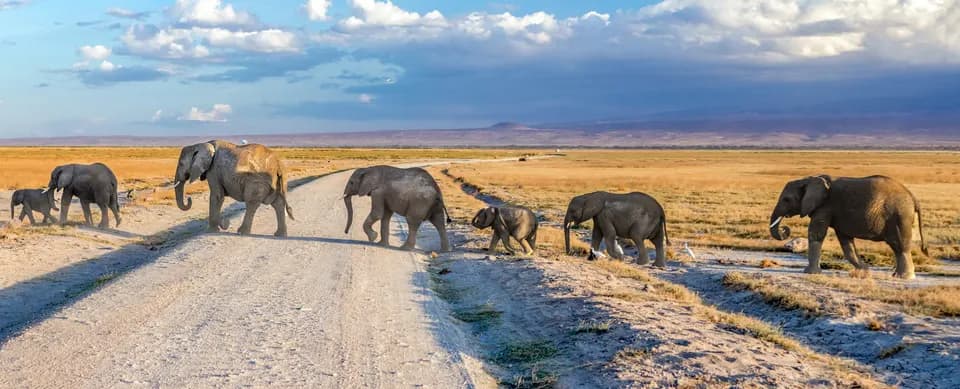
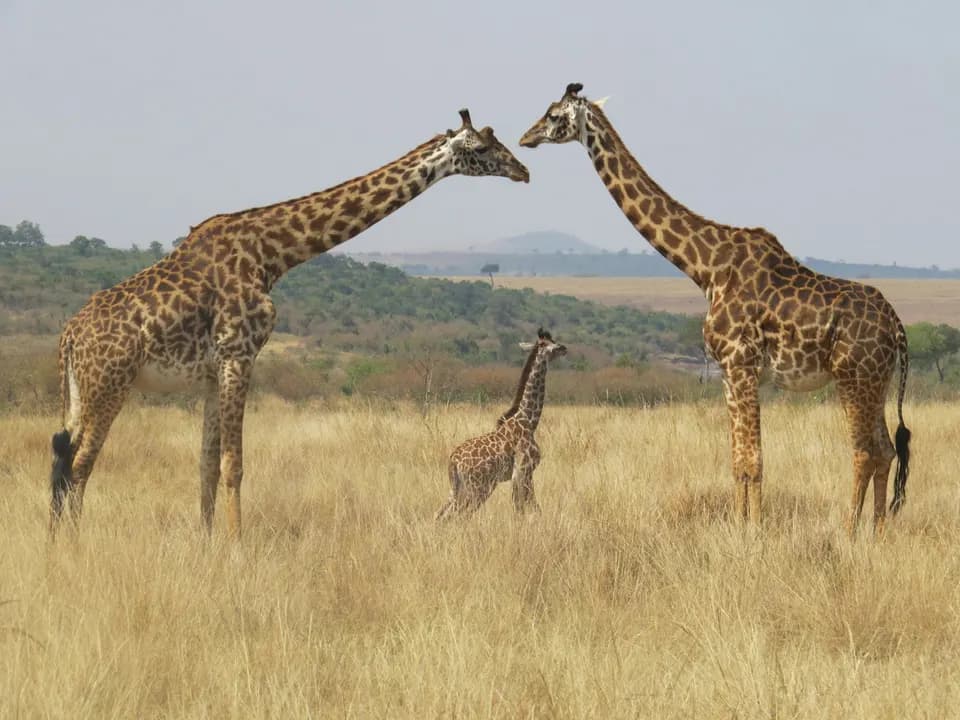
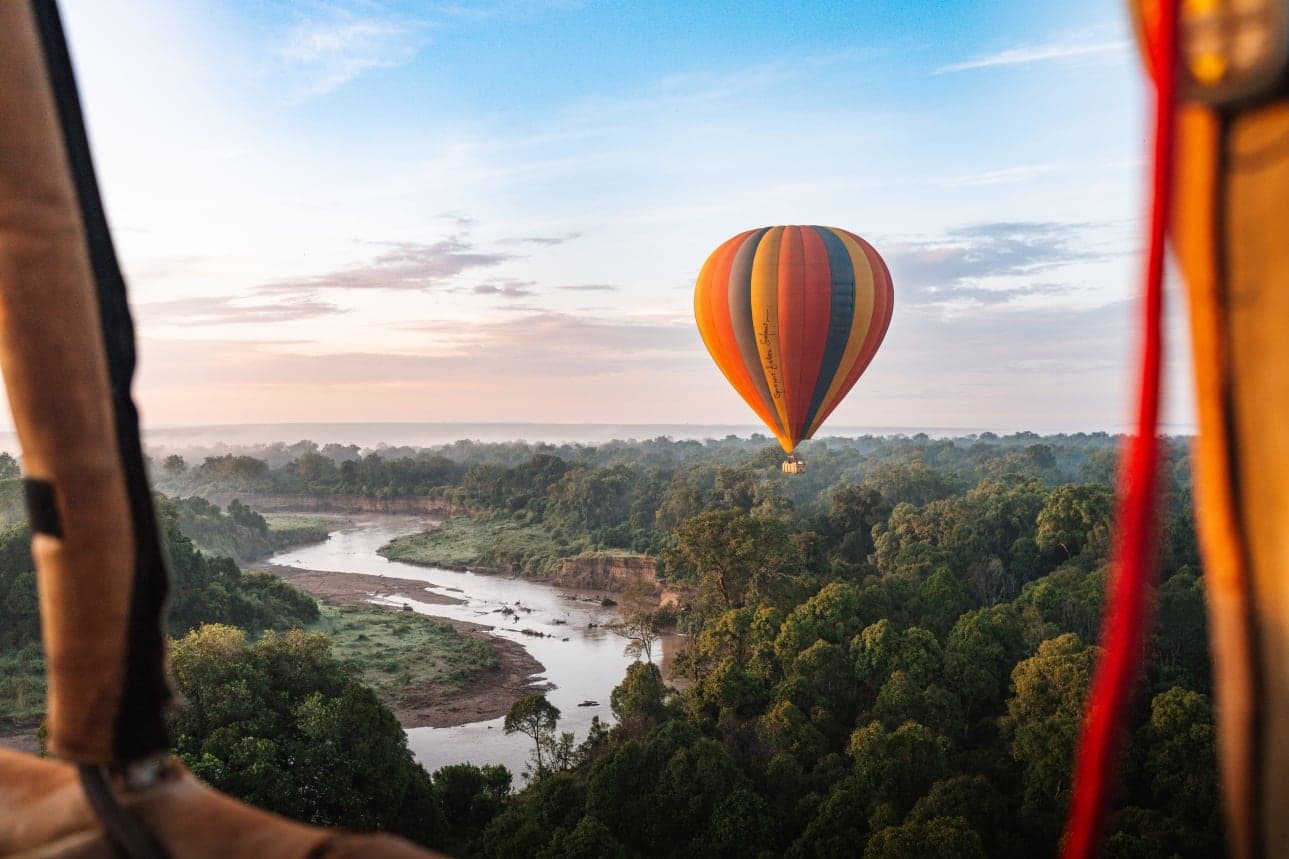
Even without the migration, the Mara is outstanding. Resident lions, cheetahs and leopards stay all year, as do elephants, giraffes, buffalo, topi and hippos. Sunrise balloon flights, bush breakfasts and visits to Maasai communities arranged through the conservancies make the days even richer.
We usually recommend three or four nights, often split between the reserve, for the river crossings in season, and a conservancy, for exclusivity and walking. Our Kenya Safari Adventure and Gorillas & the Great Migration journeys both feature the Mara, and either can be tailored around your dates.
River crossings
Watch wildebeest and zebra brave the Mara River's currents and crocodiles, typically between July and October.
Big cats year-round
Follow resident lion prides, cheetahs and leopards with guides who know their territories well.
Conservancy walks and night drives
Explore on foot with Maasai guides and search for nocturnal animals after dark in the private conservancies.
Balloon over the Mara
Float above the plains at sunrise as herds, river bends and acacia woodland unfold below you.
Maasai community visits
Learn about pastoral life, beadwork and conservation from Maasai hosts through visits arranged with the conservancies.
Bush breakfasts
Pause after an early game drive for breakfast in the shade of an acacia, with the plains stretching out around you.
Best months
The Mara is rewarding all year thanks to its resident wildlife. July to October is peak season, when the migration herds are usually present and river crossings are possible, but it's also the busiest period, which makes the conservancies especially valuable.
From November to February the plains are greener and quieter, with excellent big-cat viewing and newborn animals, and January and February tend to be dry. The long rains, typically from late March or April into May, make some roads difficult and lead a few camps to close, but rates are lower.
The quickest route is by air. Scheduled light-aircraft flights from Nairobi's Wilson Airport serve airstrips throughout the reserve and conservancies, typically taking 45 minutes to an hour and a quarter depending on stops. Flights also link the Mara with Amboseli, Laikipia and Samburu, making multi-region safaris easy.
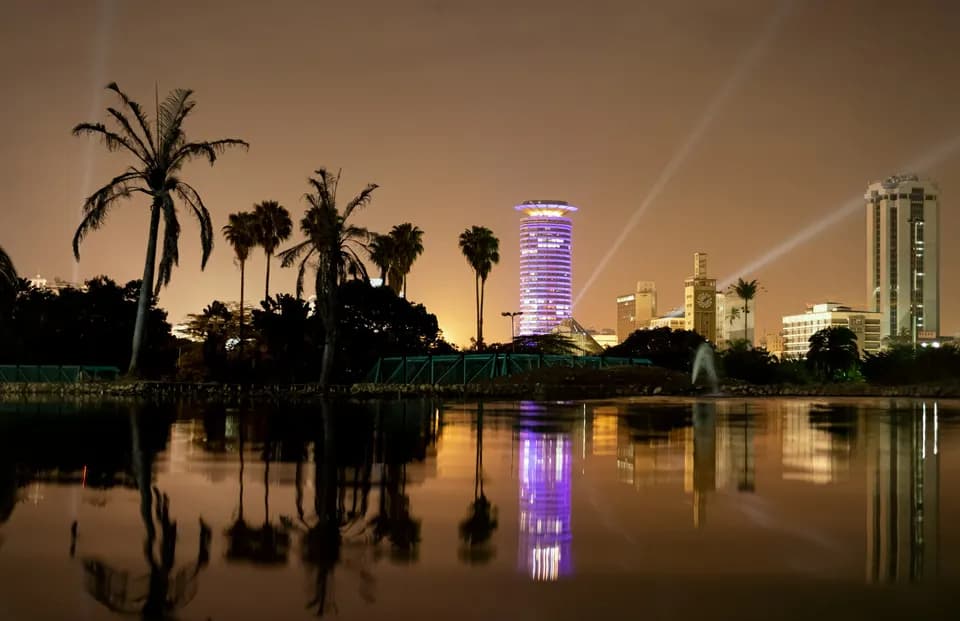
By road, the drive from Nairobi takes around five to six hours via the Great Rift Valley escarpment, with the final stretch on rough tracks. International travelers arrive at Jomo Kenyatta International Airport (NBO), and we usually plan a night in Nairobi before flying out to the Mara.
Use our featured journeys as inspiration. We'll tailor the dates, hotels, activities, pace and budget around you.
8 daysAmboseli & the Maasai Mara
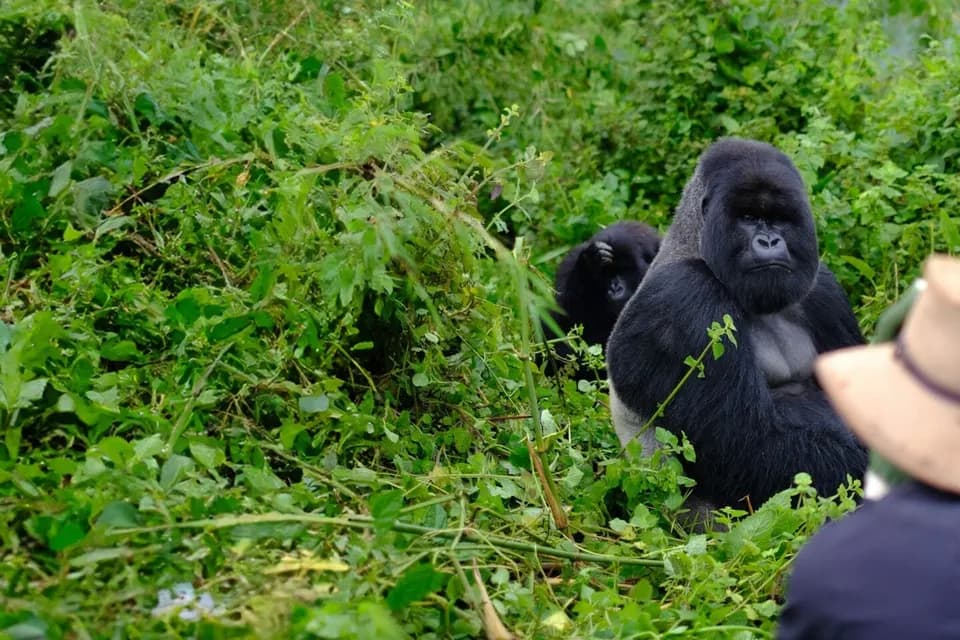 10 days
Rwanda's Volcanoes & Kenya's Maasai Mara
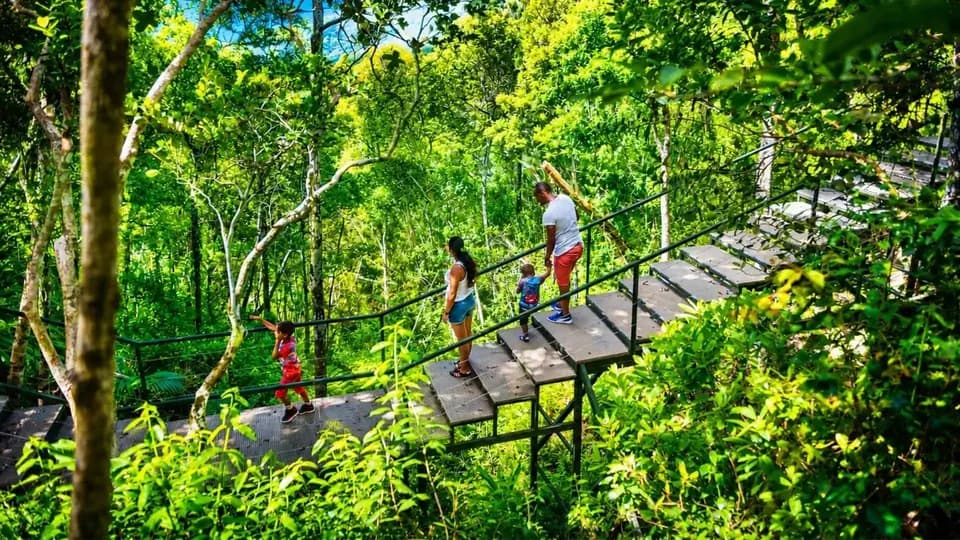
A family trip to Africa can be the adventure your kids talk about for years. Here's how to choose the right age, destinations and lodges, why a private vehicle changes everything, and how to balance safari days with beach time.
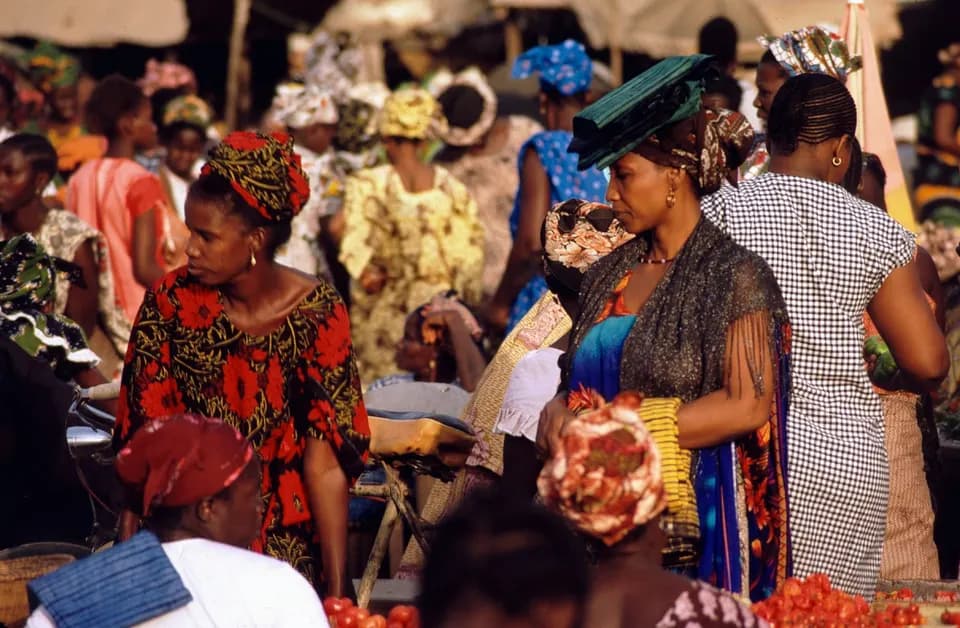
Travel done well supports wildlife, conservation and local livelihoods. This practical guide covers choosing lodges and guides, ethical wildlife encounters, respectful community visits, shopping, plastic, flights and tipping.
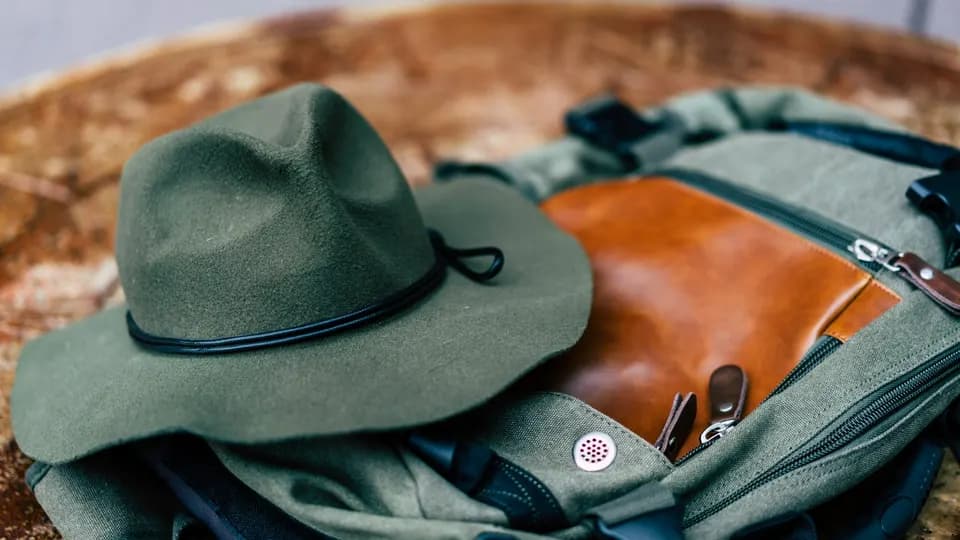
Pack less than you think, in a soft bag, with layers for cold mornings. Our practical safari packing list covers clothing, gorilla trekking gear, binoculars and cameras, documents, and the things to leave at home.
Tell us how you like to travel and we’ll shape an itinerary — the pace, the places, the stays — around you. No payment to start planning.