 9 days
Egypt Nile + Pyramids
Cairo, Abu Simbel & a Nile Cruise
- Private Egyptologist guides throughout
- Best Oct–Apr
From$3,900approx. ≈ £2,950approx. ≈ CA$5,350approx. ≈ A$5,950approx. ≈ €3,350per person sharing
North Africa
The pyramids, Luxor’s temples and the Nile
Overview
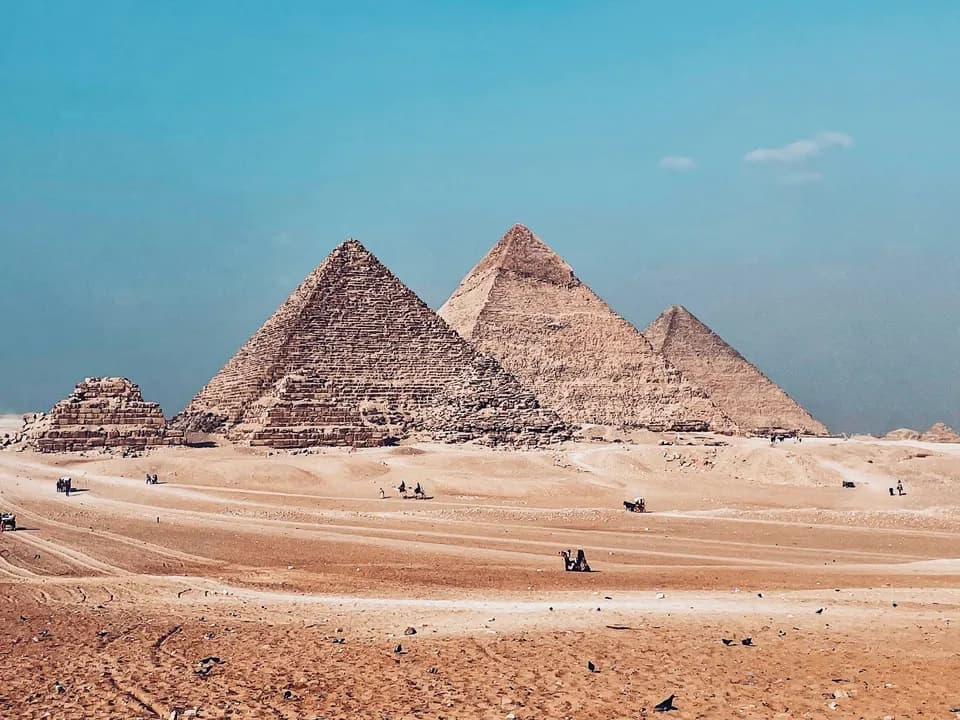
Stand before the Pyramids of Giza, sail the Nile past temples that have watched the river for thousands of years, then unwind on the Red Sea. Egypt rewards travelers who pair expert Egyptologist guides with a well-paced plan.
Egypt is where many travelers first fall for ancient history, and it rarely disappoints in person. The scale is the surprise. The Great Pyramid still dominates the Giza skyline some 4,500 years after it was built, the columns of Karnak dwarf everyone who walks among them, and the painted tombs of the Valley of the Kings hold colors that look freshly applied.
Most journeys begin in Cairo, a vast, sociable capital that never quite goes to sleep. Beyond the Giza plateau and the Sphinx, the Grand Egyptian Museum near Giza now gathers the treasures of Tutankhamun under one roof, while Saqqara and Dahshur reveal the experiments in pyramid-building that came before Giza. Islamic Cairo's minarets, the Khan el-Khalili bazaar and the churches of Coptic Cairo show just how many layers of history the city holds.
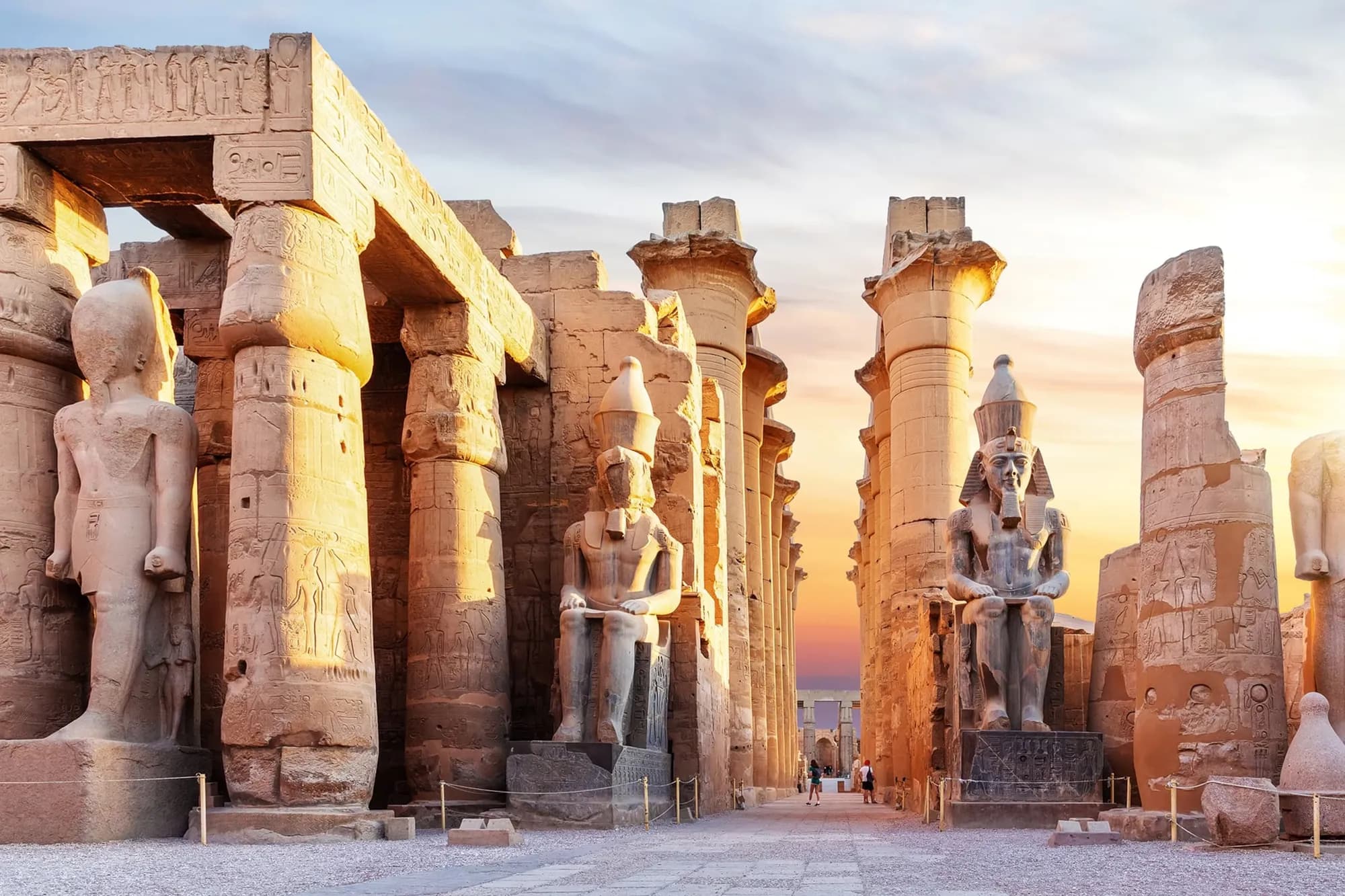
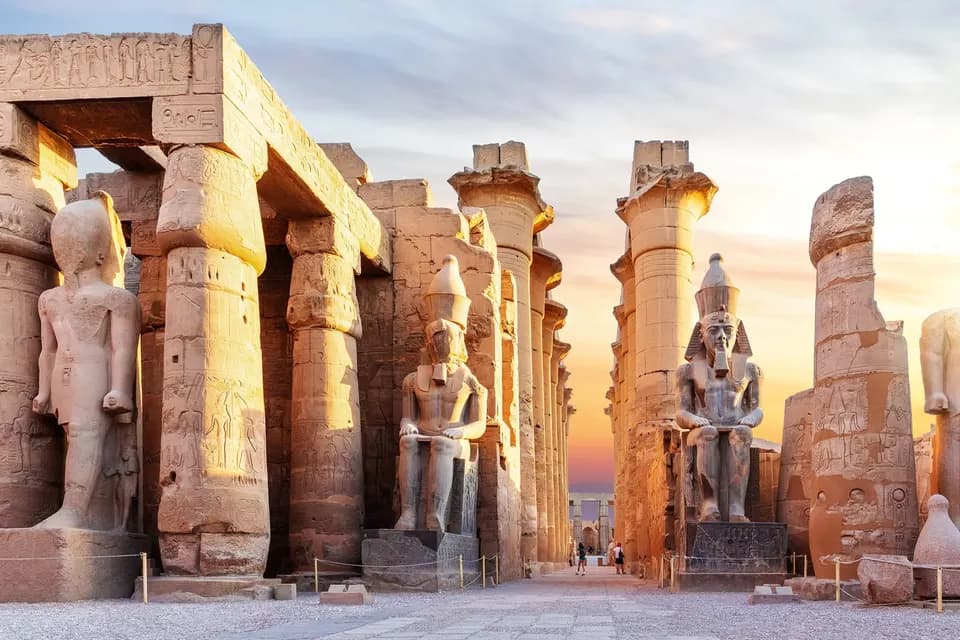
South of Cairo, the story follows the river. Between Luxor and Aswan, the Nile Valley is lined with some of the best-preserved temples of the ancient world: Karnak and Luxor Temple, Hatshepsut's terraced temple on the West Bank, Edfu, Kom Ombo and island-set Philae.
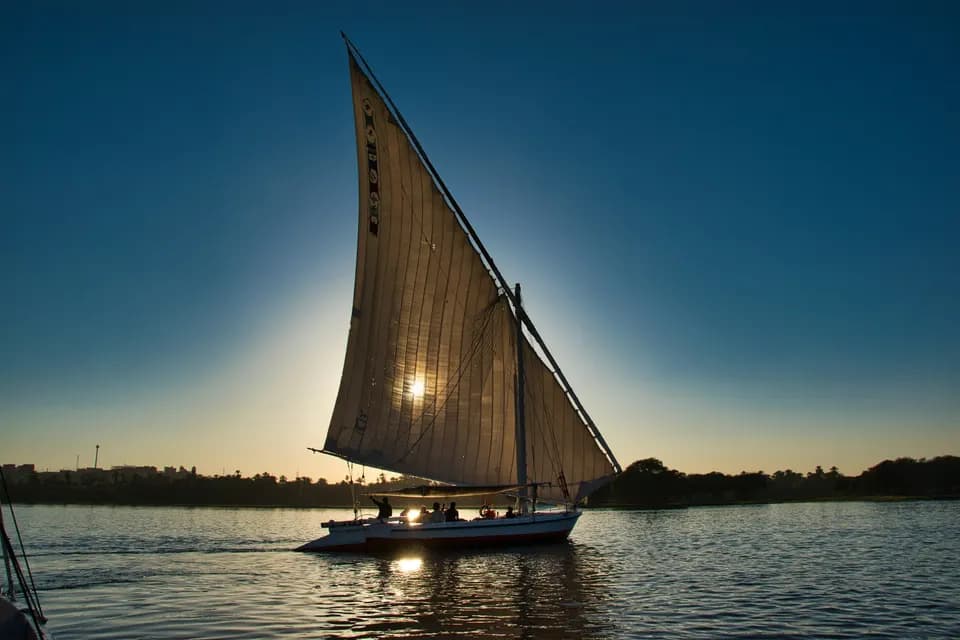
Traveling by water, on a cruise boat or a slower, sail-powered dahabiya, lets you reach the temples at quieter times of day and watch village life along the banks in between. From Aswan, a road journey or short flight takes you to the colossal temples of Abu Simbel.
Egypt also has a coast. The Red Sea's coral reefs around Hurghada, Marsa Alam and the Sinai offer superb snorkeling and diving, and a few beach days are a welcome counterpoint to early temple starts. Farther afield lie the chalk formations of the White Desert, the Siwa Oasis and the Mediterranean seafront of Alexandria.
The difference between a good and a great Egypt trip is timing and guiding. We build in early starts to beat the heat and the crowds, pair you with qualified Egyptologist guides, and handle every connection between Cairo, the Nile and the coast, so you are never left to navigate queues alone.
Start with our Egypt Nile + Pyramids journey, and we'll tailor the dates, boats, hotels and pace around you.
Why visit Egypt
See the Great Pyramid, the Sphinx and the desert panorama at opening time, before the heat and the crowds build.
Explore the vast museum beside the Giza plateau, where Tutankhamun's treasures are displayed together.
Travel between Luxor and Aswan by riverboat or dahabiya, stopping at the temples of Edfu and Kom Ombo along the way.
Step into painted royal tombs in the Valley of the Kings, visit Hatshepsut's temple, or float above it all at dawn in a hot-air balloon.
Stand beneath the colossal statues of Ramesses II, moved block by block in the 1960s to save them from the rising waters of Lake Nasser.
Balance temple days with snorkeling or diving over coral gardens, a short flight from Cairo or Luxor.
Where to go
Temples, tombs and life along the river
Between Luxor and Aswan, the Nile Valley holds some of ancient Egypt's greatest temples and tombs. Travel by river cruise or sailing dahabiya, stopping at Edfu, Kom Ombo and Philae, with an optional trip to Abu Simbel.
Explore The Nile Valley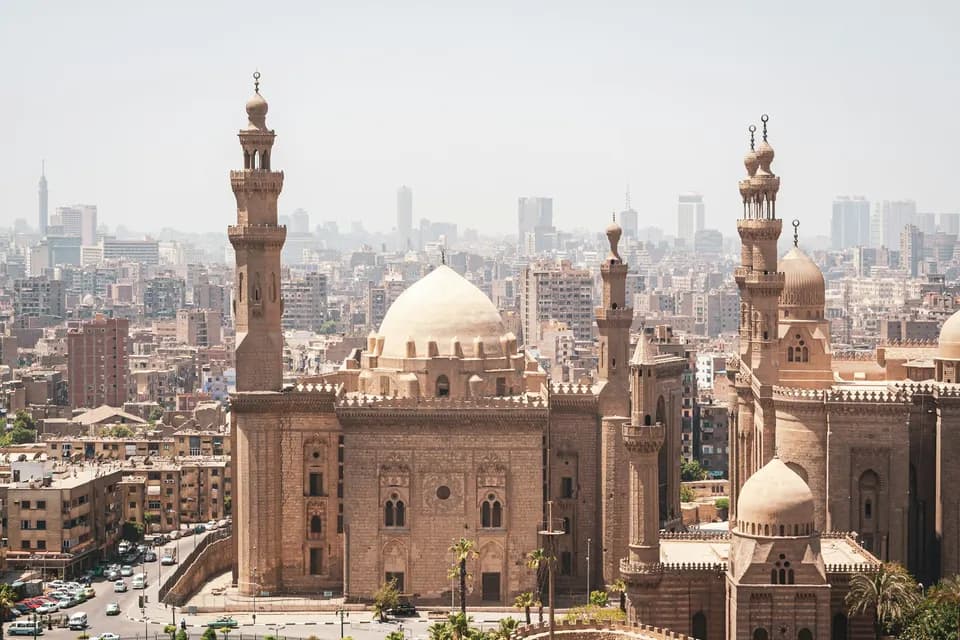
Pyramids, museums and a city that never sleeps
Cairo combines the Pyramids of Giza and the Grand Egyptian Museum with a thousand years of Islamic architecture, lively bazaars and evenings on the Nile. Chaotic, generous and endlessly fascinating, it's the essential start to any trip to Egypt.
Explore Cairo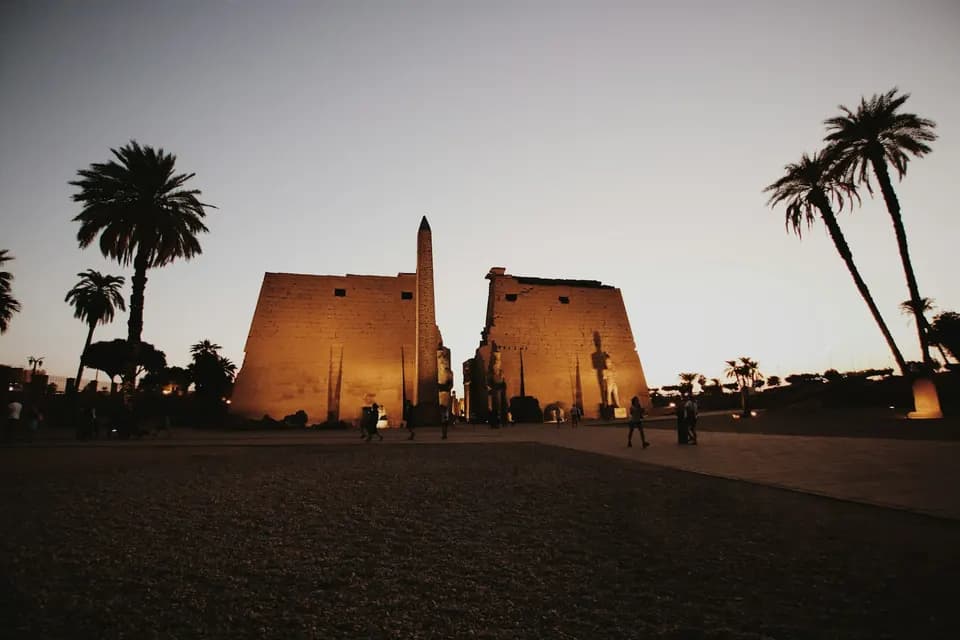
Temples, tombs and ancient Thebes
Luxor, ancient Thebes, holds an astonishing concentration of monuments: the temples of Karnak and Luxor on the East Bank and the royal tombs of the West Bank. Dawn balloon flights, felucca sails and village life complete the picture.
Explore LuxorFeatured journeys
Use our featured journeys as inspiration. We'll tailor the dates, hotels, activities, pace and budget around you.
9 daysCairo, Abu Simbel & a Nile Cruise
Plan your way
Tell us your dates, interests, travel style and budget. We’ll create an itinerary around you.
Free to start planning · No obligation · Tailored around you
When to go
Best months
October to April is the classic season. Days in Cairo are warm and bright, and Luxor and Aswan usually sit in the low to mid-20s °C (70s °F) in midwinter, which makes long days at the temples far more enjoyable. Nights in the desert and on the river can be surprisingly cool. December, January and major holiday periods are the busiest, so plan early for those dates.
From May to September the south is extremely hot, often above 40°C (104°F) in Luxor and Aswan. Travel is still possible, and quieter, if you start at dawn, rest through the middle of the day and add time on the Red Sea.
Spring can bring the khamsin, a hot, dusty wind that blows in occasional bursts between March and May. Rain is rare almost everywhere except the Mediterranean coast in winter. Ramadan moves earlier each year; sites stay open, although hours can change.
Travel information
Tipping, often called baksheesh, is woven into daily life. Guides, drivers, boat crews, hotel staff and site attendants all expect small tips, so keep plenty of small Egyptian pound notes on hand. We'll send a simple tipping guide before you go.
Dress and etiquette. Light, loose clothing that covers shoulders and knees is comfortable and respectful, especially in Cairo's historic districts and in rural areas. Women cover their hair to enter mosques, and everyone removes their shoes. Save beachwear for the beach and resort pools.
Photography. Rules vary by site and museum: some tombs don't allow photography, and others require an extra ticket, so check with your guide. Never photograph military, police or security installations, and ask before photographing people. Drones are heavily restricted.
Connectivity. Mobile data is good in cities and along the Nile, and eSIMs and local SIM cards are easy to find. Coverage drops in the desert and out at sea.
Safety. Tourist areas are well policed. Use your driver or a ride-hailing app, and expect persistent vendors at major sites, where a polite, firm "la, shukran" (no, thank you) works well.
For visas and health, see our entry requirements guidance and check official sources.
Tell us how you want to travel. We’ll build the itinerary around your dates, interests and budget.