 9 days
Egypt Nile + Pyramids
Cairo, Abu Simbel & a Nile Cruise
- Private Egyptologist guides throughout
- Best Oct–Apr
From$3,900approx. ≈ £2,950approx. ≈ CA$5,350approx. ≈ A$5,950approx. ≈ €3,350per person sharing
Luxor, ancient Thebes, holds an astonishing concentration of monuments: the temples of Karnak and Luxor on the East Bank and the royal tombs of the West Bank. Dawn balloon flights, felucca sails and village life complete the picture.
For long stretches of the New Kingdom, Thebes was Egypt's religious capital, and the monuments its pharaohs left behind make modern Luxor one of the most extraordinary places on Earth. Ancient Thebes and its necropolis form a UNESCO World Heritage Site spread across both banks of the Nile. Tradition divides the city in two: the East Bank of the living, where the sun rises, and the West Bank of the dead, where it sets.
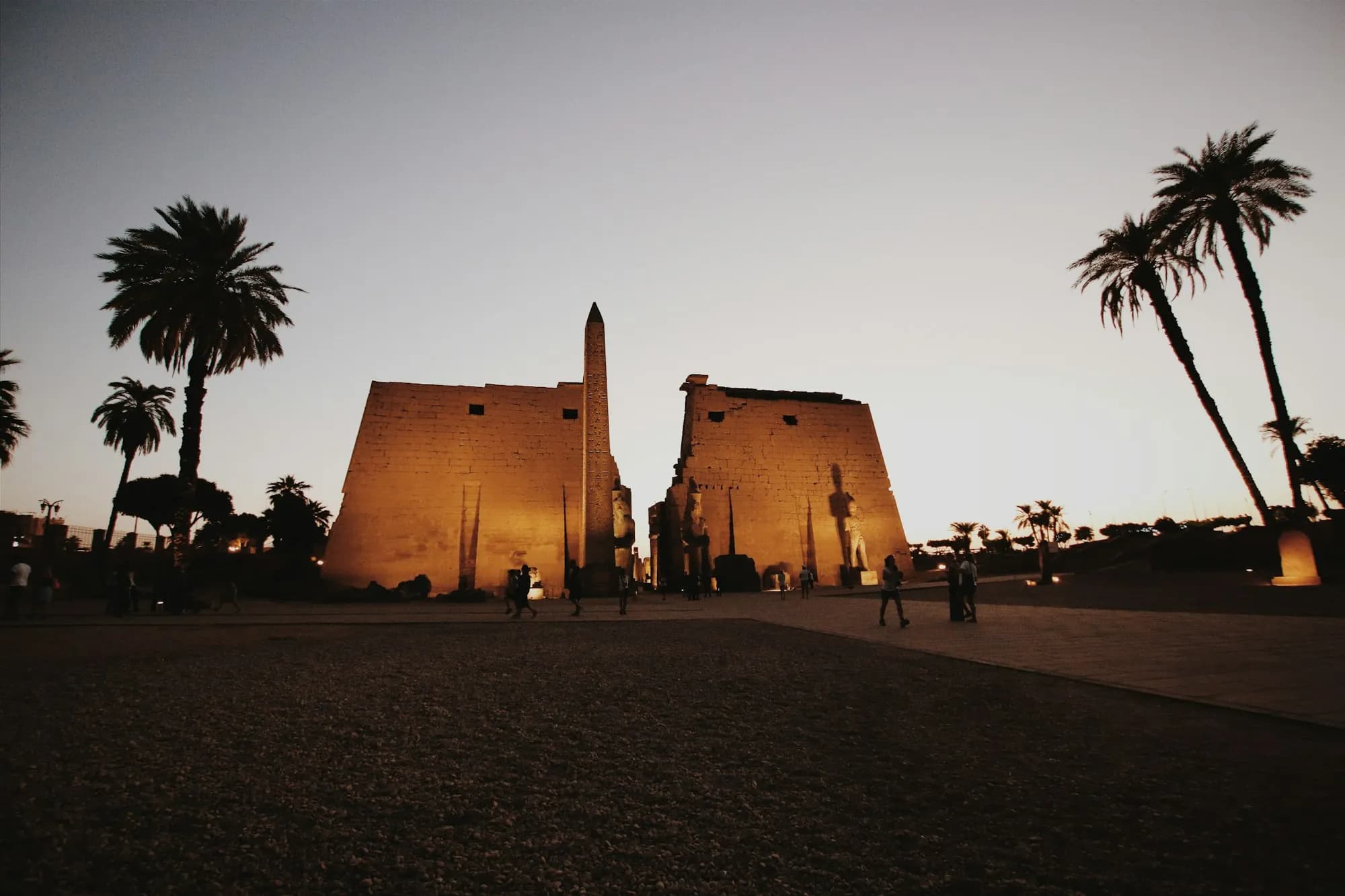
Karnak is the largest temple complex in Egypt, built and expanded over roughly 2,000 years. Its Great Hypostyle Hall, a forest of 134 massive columns, is overwhelming in person. A restored ceremonial avenue lined with sphinxes runs about 2.7 kilometers (1.7 miles) to Luxor Temple, which is at its most beautiful when floodlit after dark, and the Luxor Museum displays exceptional statues found nearby.
Across the river, the Valley of the Kings holds the rock-cut tombs of New Kingdom pharaohs, their walls covered in vivid scenes to guide the king through the afterlife. A standard ticket typically includes a selection of tombs, while special tombs, such as those of Tutankhamun and Seti I, usually require an extra ticket.
Nearby, the terraced temple of Queen Hatshepsut at Deir el-Bahari rises against the cliffs, and Medinet Habu, the Ramesseum, the Colossi of Memnon and the artisans' village of Deir el-Medina reward those who linger. When it's open, the painted tomb of Queen Nefertari in the Valley of the Queens is among the most beautiful in Egypt.
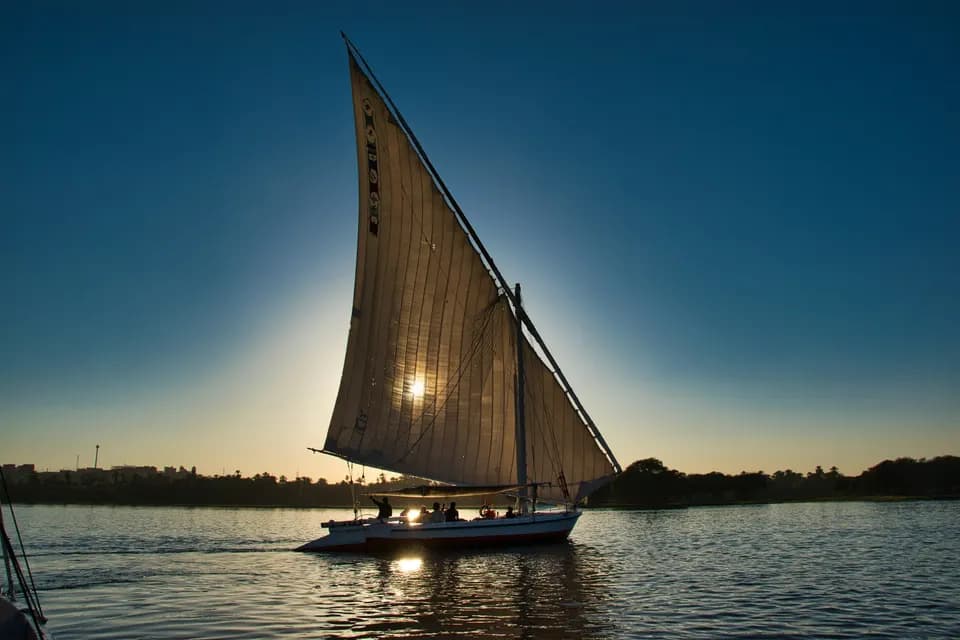
Beyond the monuments, Luxor is a Nile town of feluccas, sugarcane fields and farming villages. A dawn hot-air balloon flight over the West Bank, a felucca sail to Banana Island or a bicycle ride through the villages shows a slower, gentler side of the city.
Most travelers spend two or three nights here before or after a Nile cruise. We time visits to beat the crowds and the heat and pair you with an Egyptologist guide, as on our Egypt Nile + Pyramids journey.
Karnak Temple
Walk among the 134 towering columns of the Great Hypostyle Hall in Egypt's largest temple complex.
Valley of the Kings
Descend into painted royal tombs cut deep into the Theban hills.
Balloon at dawn
Float over the West Bank's temples and fields as the sun rises over the Nile.
Luxor Temple by night
See the temple floodlit after dark at the end of the restored Avenue of Sphinxes.
Hatshepsut's temple
Visit the terraced temple of one of ancient Egypt's most successful female pharaohs at Deir el-Bahari.
West Bank village life
Cycle or walk through farming villages and sugarcane fields between the Nile and the Theban hills.
Luxor's food is simple, fresh and hearty, rooted in the farming traditions of Upper Egypt. Look for aish shamsi, a sun-risen bread typical of the south, along with slow-cooked stews, stuffed pigeon, mahshi vegetables and fresh Nile fish.
Many visitors enjoy a home-cooked meal with a family on the West Bank or dinner on a rooftop overlooking the temples. Tea comes strong and sweet, karkadeh (hibiscus) is a refreshing local drink, and the souk sells spices, dates and dried hibiscus flowers to take home. Alcohol is available in hotels and some restaurants.
Best months
The best time to visit is from October to April, when days are warm and sunny, typically in the low to mid-20s °C (70s °F) in midwinter, and nights are cool. December and January are the busiest months.
From May to September, temperatures frequently exceed 40°C (104°F). If you visit then, start at dawn, rest through the afternoon and return to the sites in the early evening. Balloon flights operate year-round, weather permitting, and are especially magical on still winter mornings.
Luxor International Airport (LXR) is about 15 to 20 minutes from the East Bank. The two banks are linked by a bridge south of town and by boat: the inexpensive public ferry and private motorboats take just a few minutes to cross.
A private driver and guide is the easiest way to see the West Bank sites, which are spread out. On the East Bank, the Corniche and souk are pleasant on foot and taxis are easy to find. Horse-drawn carriages are common; if you ride in one, choose a carriage with well-cared-for horses.
Use our featured journeys as inspiration. We'll tailor the dates, hotels, activities, pace and budget around you.
9 daysCairo, Abu Simbel & a Nile Cruise
Tell us how you like to travel and we’ll shape an itinerary — the pace, the places, the stays — around you. No payment to start planning.