 8 days
Kenya Safari Adventure
Amboseli & the Maasai Mara
- Fly-in stay in a Maasai Mara conservancy
- Best Jan–Feb, Jun–Oct
From$5,600approx. ≈ £4,200approx. ≈ CA$7,650approx. ≈ A$8,500approx. ≈ €4,800per person sharing
East Africa
The Maasai Mara, Amboseli’s elephants and the Swahili coast
Overview
Safari is a Swahili word, and Kenya still does it brilliantly: big cats in the Maasai Mara, elephants beneath Kilimanjaro in Amboseli and private conservancies with walks and night drives. Add Nairobi's creative energy or the Swahili coast.
Kenya packs an astonishing range into one country. In a single trip you can watch cheetahs hunt on the Mara's grasslands, see elephants wade through Amboseli's swamps with Kilimanjaro floating above the clouds, look for species found only in the arid north, and end barefoot on an Indian Ocean beach. Along the way, Maasai and Samburu guides, Swahili boat builders and Nairobi's chefs and artists show you a country that is proudly modern and deeply rooted.
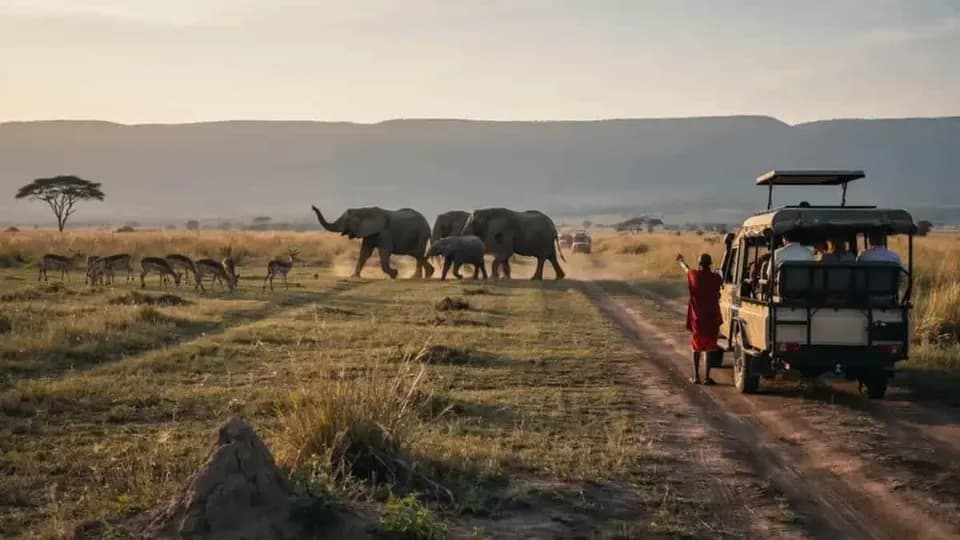
The Maasai Mara is Kenya's most celebrated reserve, famous for lions, leopards and cheetahs and for the Mara River crossings of the Great Migration, typically between July and October.
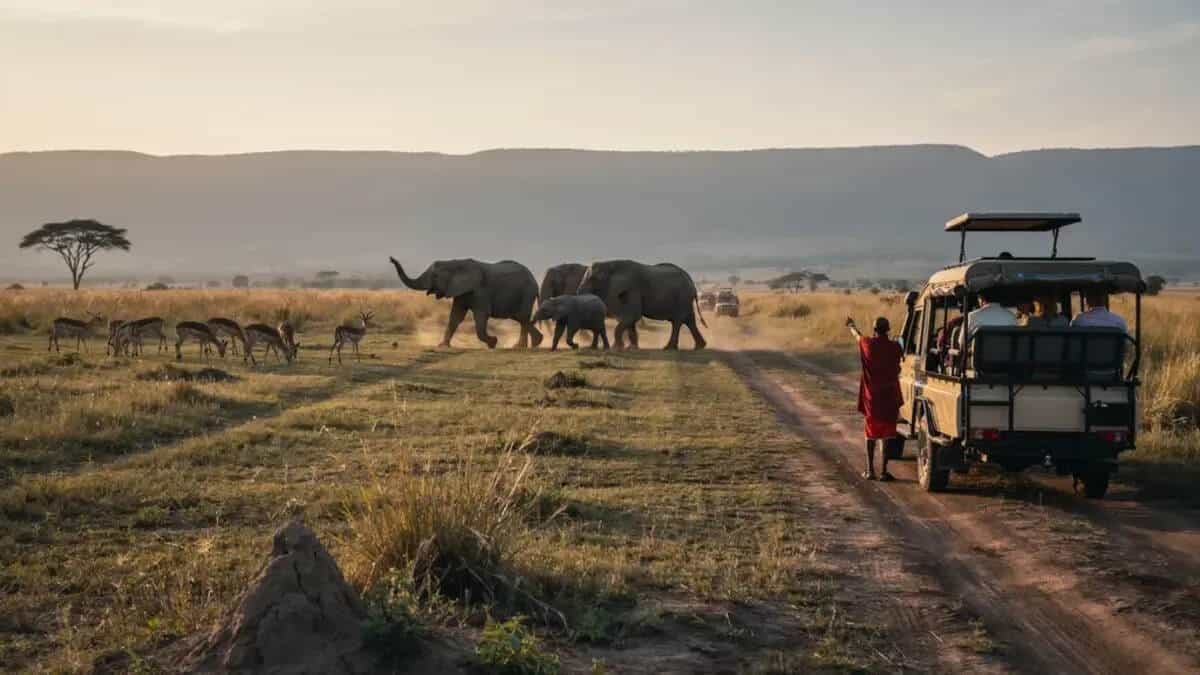
Around the national reserve, community conservancies lease land from Maasai landowners and limit the number of vehicles, so sightings feel more private. They also allow guided walks and night drives, which aren't permitted in the reserve itself.
Amboseli is elephant country, its herds framed by Kilimanjaro on clear mornings. Laikipia, on the plateau northwest of Mount Kenya, is a patchwork of private and community conservancies known for rhino conservation, horseback and camel safaris, and excellent guiding.
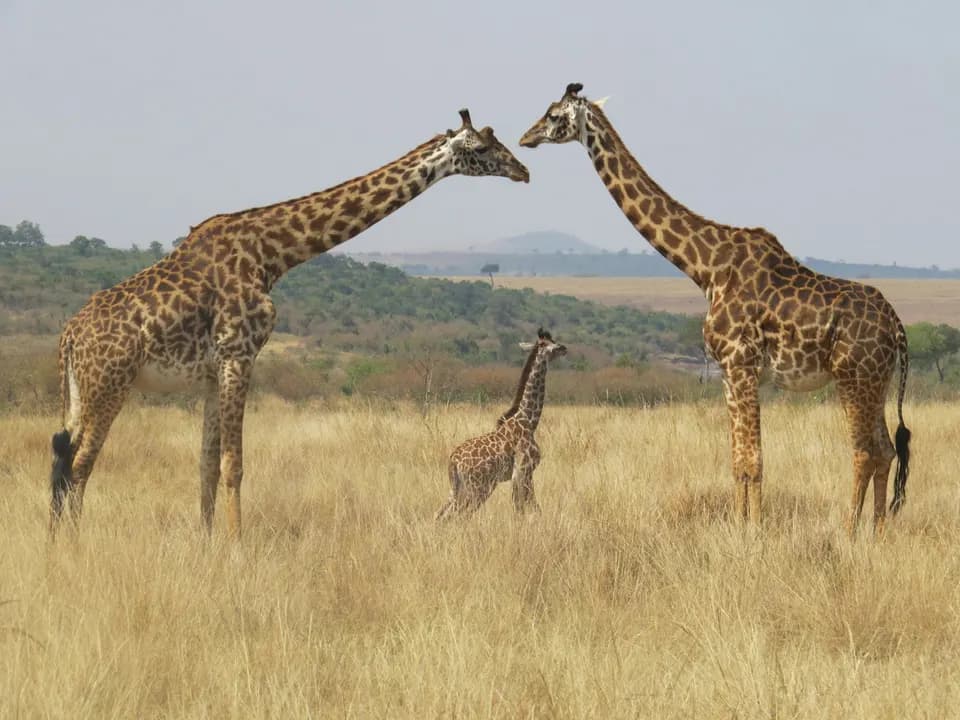
Farther north, Samburu's rugged landscapes shelter reticulated giraffe, Grevy's zebra, Beisa oryx and the long-necked gerenuk. In the Rift Valley, lakes such as Naivasha and Nakuru add hippos, rhinos and prolific birdlife.
Many trips begin in Nairobi, a dynamic capital with a national park on its edge, excellent restaurants and a thriving contemporary art scene. On the coast, Diani and Watamu offer long white beaches, while the Swahili town of Lamu, a UNESCO World Heritage Site, moves at the pace of donkeys and dhows. In Mombasa, the Old Town and Fort Jesus, also UNESCO-listed, add history to a beach stay.
Kenya's network of scheduled light-aircraft flights makes it easy to combine regions, linking Nairobi's Wilson Airport with airstrips in the Mara, Amboseli, Laikipia and Samburu. We match camps and conservancies to your interests, whether that means big cats, walking with Samburu guides or a beach finale.
Start with our Kenya Safari Adventure, or pair the Mara with Rwanda's mountain gorillas on Gorillas & the Great Migration.
Why visit Kenya
Watch lions, leopards and cheetahs on open grasslands in one of the most famous predator strongholds in Africa.
See wildebeest and zebra plunge across the river during the Great Migration, typically between July and October.
Photograph elephant families against the snowcapped peak of Africa's highest mountain on clear mornings.
Enjoy guided walks, night drives and fewer vehicles in community conservancies around the Mara and across Laikipia.
Seek out species rarely seen farther south, including Grevy's zebra, reticulated giraffe and the gerenuk.
Finish on the beaches of Diani or Watamu, or slow right down in the car-free old town of Lamu.
Where to go
Big cats, big skies and river crossings
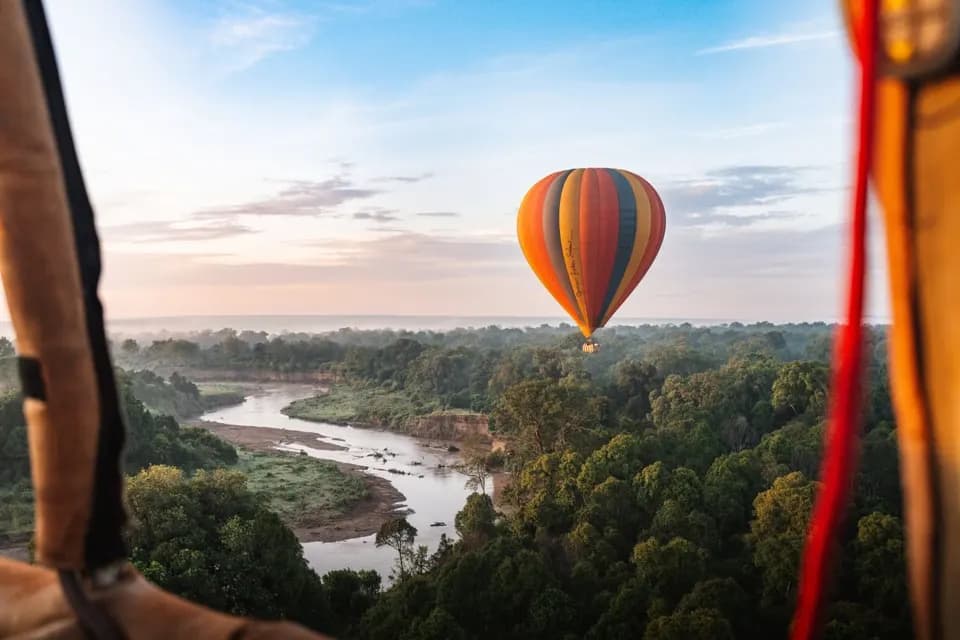
Kenya's Maasai Mara is famous for lions, leopards and cheetahs and for the dramatic Mara River crossings of the Great Migration. Surrounding community conservancies add walking safaris, night drives and far fewer vehicles.
Explore Maasai Mara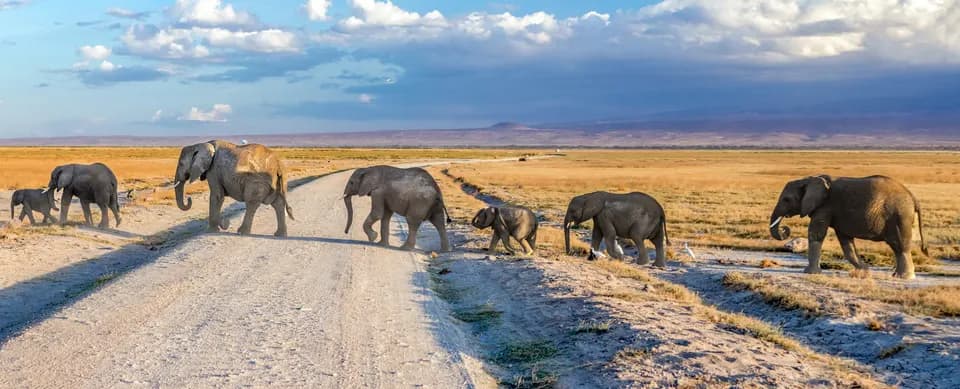
Elephants beneath Kilimanjaro
Amboseli is famous for its large elephant families, framed on clear days by the snowcapped summit of Kilimanjaro across the Tanzanian border. Swamps fed by mountain springs keep wildlife here even in the driest months.
Explore Amboseli National Park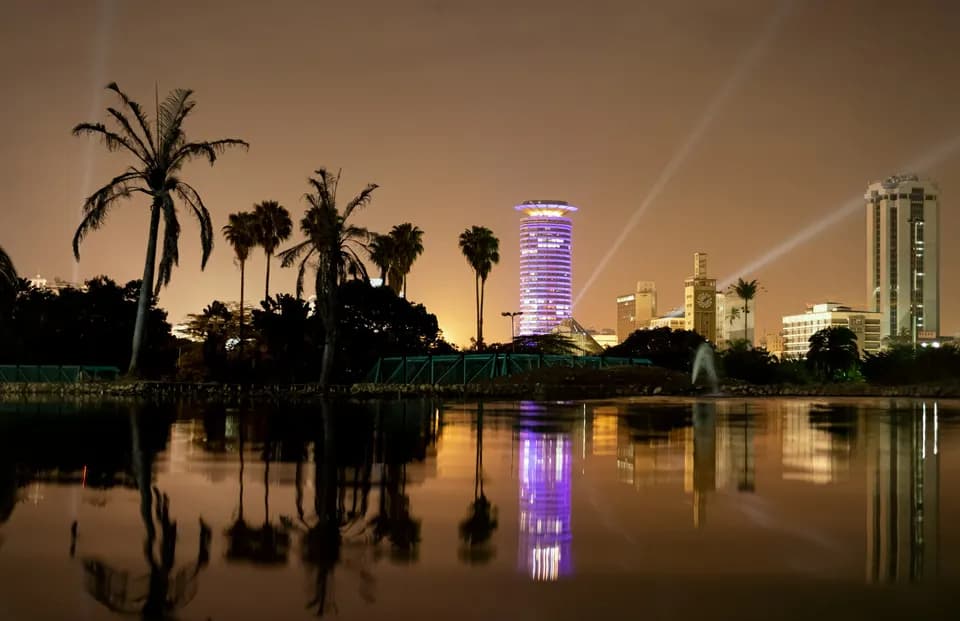
Safari capital with a creative edge
Nairobi is East Africa's dynamic hub and the gateway to Kenya's safaris, with a national park on its doorstep, an elephant orphanage, giraffes to meet and a thriving food, art and music scene.
Explore NairobiFeatured journeys
Use our featured journeys as inspiration. We'll tailor the dates, hotels, activities, pace and budget around you.
8 daysAmboseli & the Maasai Mara
 10 days
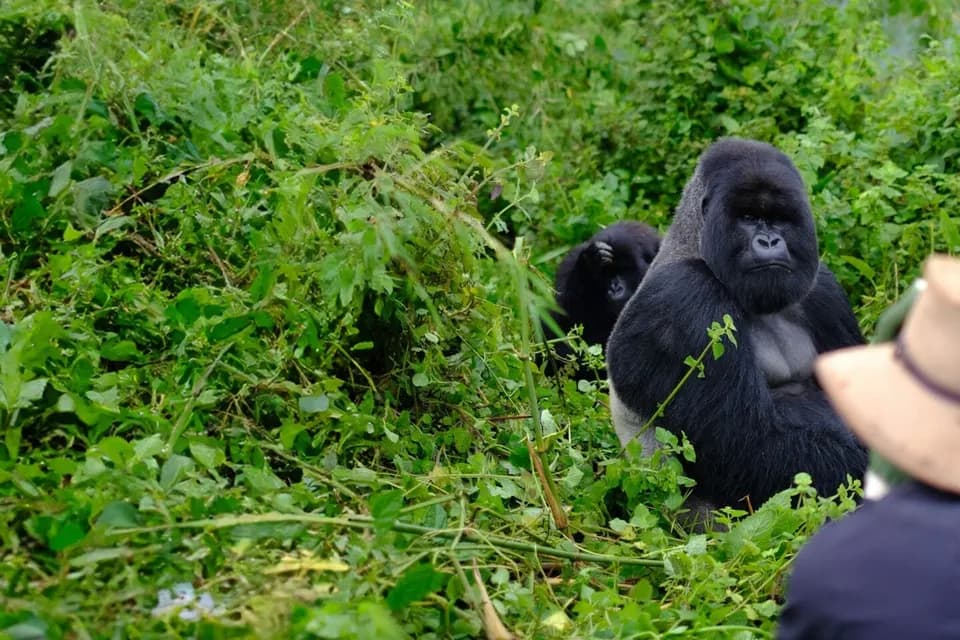
Rwanda's Volcanoes & Kenya's Maasai Mara
Plan your way
Tell us your dates, interests, travel style and budget. We’ll create an itinerary around you.
Free to start planning · No obligation · Tailored around you
When to go
Best months
Kenya's main safari season runs from late June to October, when the long dry season makes wildlife easier to find and the migration herds are usually in the Maasai Mara. It's the busiest time of year, so the best camps book up early, and conservancies with vehicle limits are especially valuable.
January and February are another excellent window: dry, warm and quieter than the peak months, with good predator action and fewer vehicles.
The long rains typically arrive from late March to May. Some camps close and some roads become difficult, but the countryside is at its greenest and rates drop. The short rains, usually in November and early December, tend to fall as brief afternoon storms that rarely disrupt a trip.
On the coast, the most comfortable beach weather is generally from December to March and from July to October.
Travel information
Money and tipping. Mobile money (M-Pesa) is used everywhere in Kenya, and cards are accepted at most lodges and city hotels; carry some Kenyan shillings for small purchases. Tipping guides, drivers and camp staff is customary, and we'll send current guidelines.
Dress and etiquette. Casual, neutral clothing works on safari, with warm layers for early mornings. On the coast, especially in Lamu and Mombasa's Old Town, cover shoulders and knees away from the beach.
Photography. Ask before photographing people, and never photograph government buildings, police or military sites. Drones require permits.
Connectivity. 4G coverage is good in towns and along main roads. Wi-Fi at remote camps is often limited to the main areas.
Plastic bags. Kenya bans single-use plastic carrier bags, so pack reusable ones.
Safety. Nairobi is a busy capital: use your driver or a trusted ride-hailing app at night and keep valuables out of sight. On safari, always follow your guide's instructions around wildlife.
For visas and health, see our entry requirements guidance and official sources.
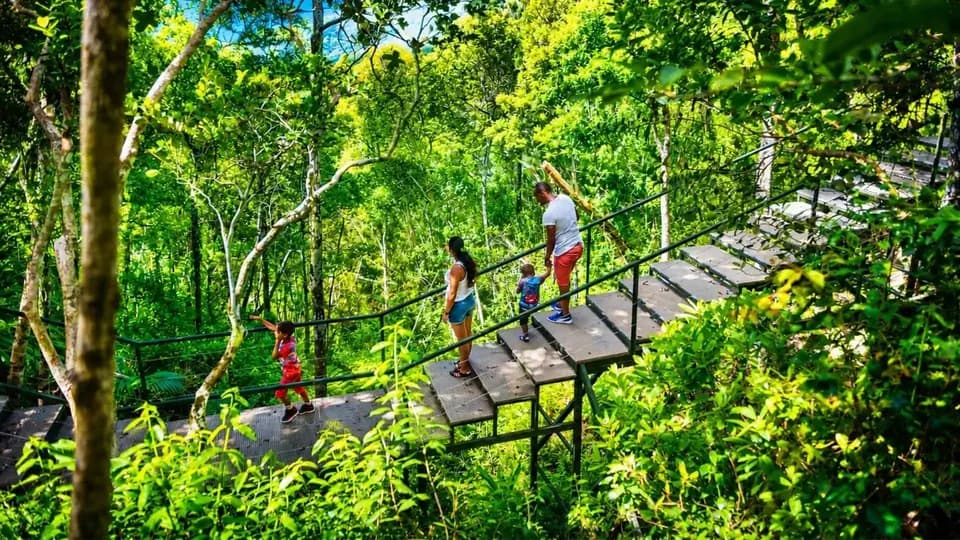
A family trip to Africa can be the adventure your kids talk about for years. Here's how to choose the right age, destinations and lodges, why a private vehicle changes everything, and how to balance safari days with beach time.
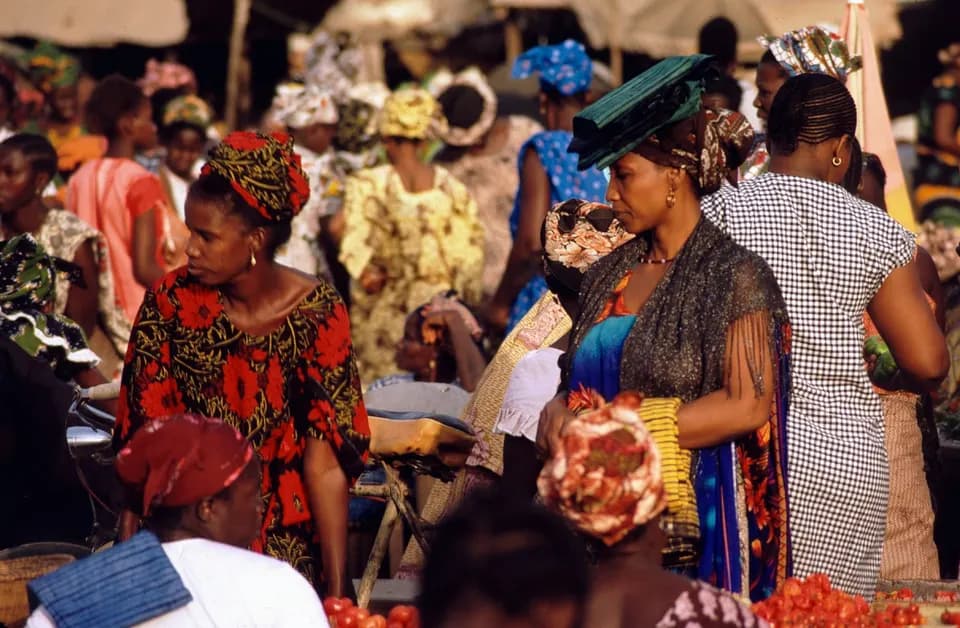
Travel done well supports wildlife, conservation and local livelihoods. This practical guide covers choosing lodges and guides, ethical wildlife encounters, respectful community visits, shopping, plastic, flights and tipping.
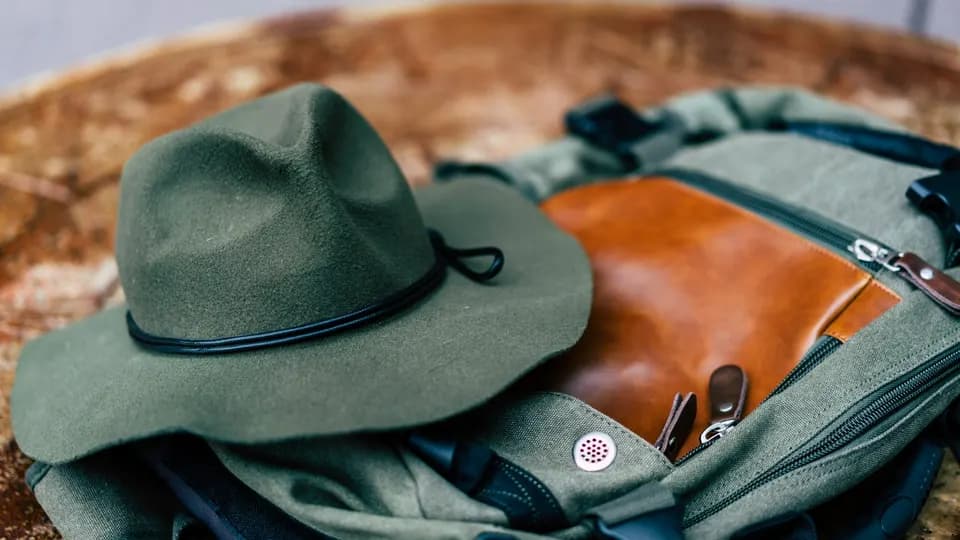
Pack less than you think, in a soft bag, with layers for cold mornings. Our practical safari packing list covers clothing, gorilla trekking gear, binoculars and cameras, documents, and the things to leave at home.
Tell us how you want to travel. We’ll build the itinerary around your dates, interests and budget.