Tourism is one of the most important sources of income for conservation and for many communities across Africa. Park fees help pay rangers, lodges employ and train local staff, and community conservancies give landowners a reason to protect wildlife. Travel also has real costs, from carbon emissions to pressure on fragile places and cultures.
This guide isn't about perfection or guilt. It's a set of practical choices that make a genuine difference, most of which also make your trip better.
Choose where your money goes
The biggest impact you have is deciding who you pay.
- Favor locally owned and locally staffed businesses, and lodges that train and promote people from nearby communities.
- Hire local guides. They bring knowledge no guidebook can match, and their income stays in the area.
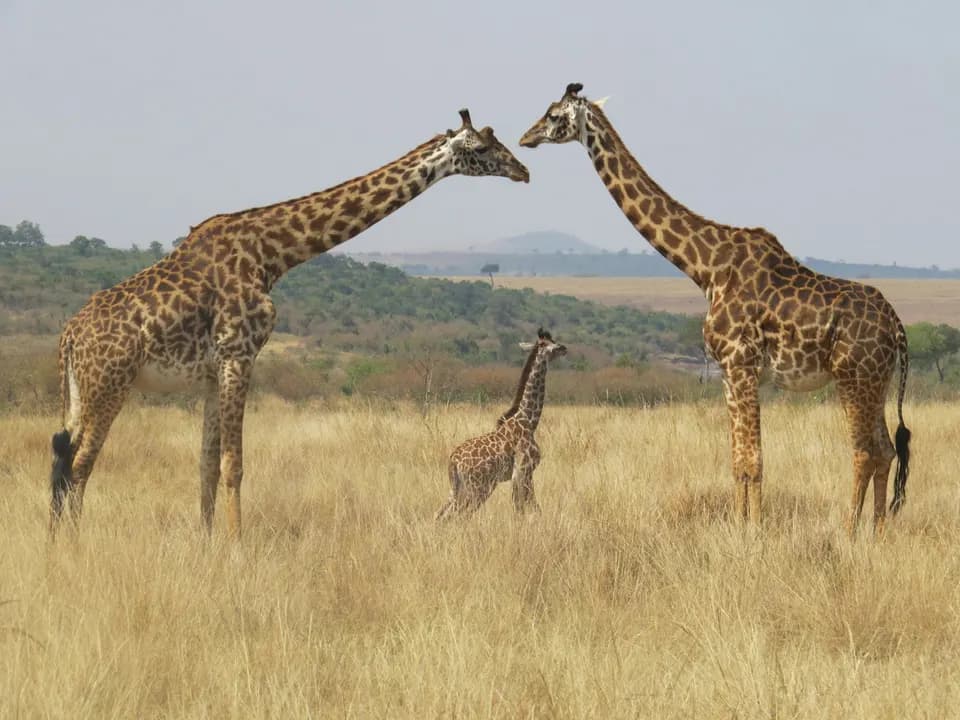
- Consider community conservancies. In Kenya, for example, many of the conservancies around the Maasai Mara are formed on land leased from Maasai landowners, who receive income in return for keeping the land open for wildlife. Conservancies also limit vehicle numbers, which is better for animals and for you.
- Ask questions. A good lodge or operator will happily tell you how it employs local people, manages water and waste, and supports conservation.
Wildlife: watch, don't disturb
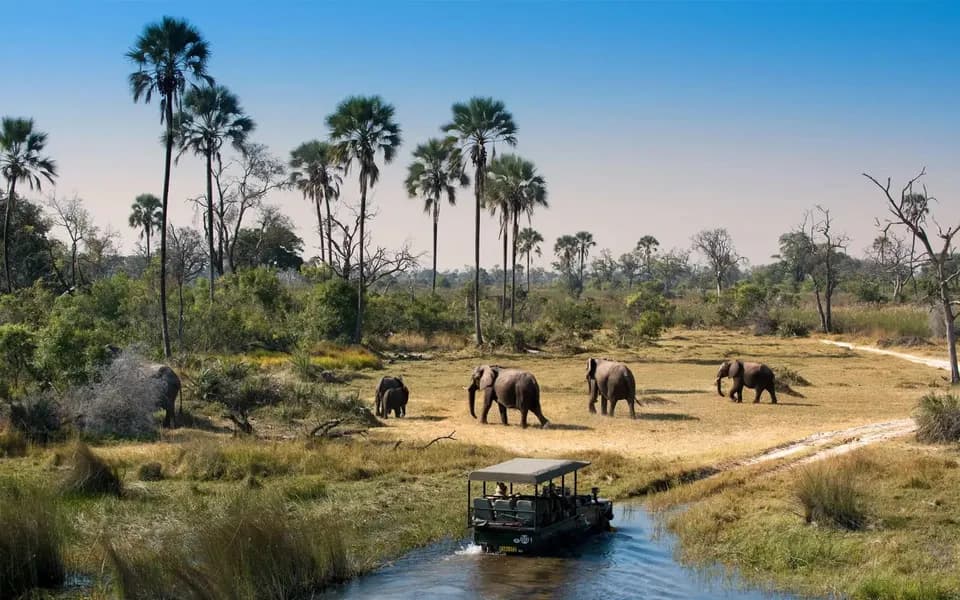
- Follow your guide's instructions on distance, noise and behavior at sightings.
- Don't pressure guides to get closer, go off-road where it isn't allowed, or crowd an animal for a better photo. Good guides will say no, and they're right to.
- Never feed wild animals, including monkeys and birds around camp.
- Leave drones at home unless you've obtained permission; they disturb wildlife and are restricted in many places.
- Avoid activities with captive wild animals. Cub petting, "walking with lions" and riding elephants are widely criticized by conservation and welfare organizations. We don't include them in our trips.
- Choose marine operators carefully. Dolphin watching and whale watching should keep a respectful distance and limit time with the animals.
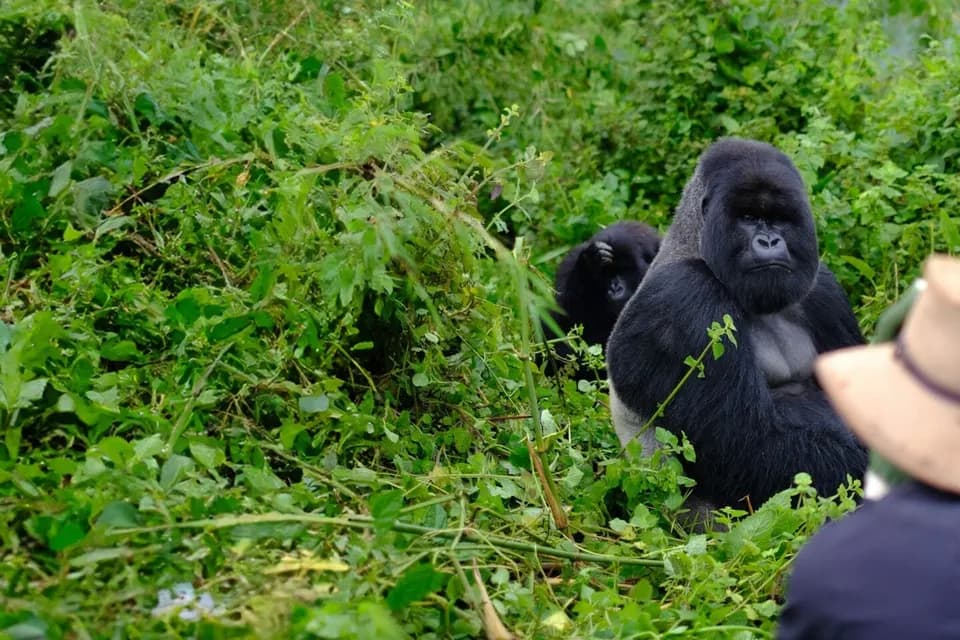
Gorilla trekking has its own rules, designed to protect a small, vulnerable population from disturbance and human illness. Rangers explain them at the start of every trek, including keeping your distance and not trekking if you're unwell. If gorillas are on your wish list, see how we pace treks in our Gorillas & the Great Migration journey.
People and culture
- Visit communities on their terms. The best visits are arranged with the community itself, with fees paid directly to it. Staged "villages" set up purely for tourists are best avoided.
- Ask before photographing people, and respect a "no." A little conversation first usually changes the whole exchange.
- Don't hand out sweets, money or pens to children. It can encourage begging and keep children out of school. If you'd like to help, ask us about established local projects you can support.
- Avoid orphanage visits. Child-protection experts widely advise against orphanage tourism, because it can harm the children it claims to help.
- Dress respectfully, especially in rural areas, religious sites and conservative towns.
- Learn a few words. "Asante" (thank you in Swahili), "shukran" (Arabic) or "murakoze" (Kinyarwanda) go a long way.
Shopping and souvenirs
Buying crafts directly from artisans and cooperatives is one of the most direct ways to support local livelihoods. Bargain where it's customary, but keep it friendly and fair: a small saving to you can matter a lot more to the seller.
Never buy products made from wildlife, such as ivory, rhino horn, tortoiseshell, coral or certain skins and shells. Beyond the harm to wildlife, many are illegal to buy, export or bring home. If you're unsure about an item, check your home country's customs guidance before you buy.
Plastic, water and waste
- Bring a refillable water bottle. Many lodges and camps provide filtered drinking water to reduce plastic waste.
- Pack reusable pouches instead of plastic bags. Several East African countries, including Kenya, Tanzania and Rwanda, restrict single-use plastic bags; check current official guidance before you travel.
- Take used batteries home, because remote areas often can't dispose of them safely.
- Go easy on water in desert camps and on small islands, where it's scarce and costly to supply.
Spread the load
Some famous places get crowded at peak times, and crowding is hard on wildlife as well as on your experience. Traveling in the shoulder months, choosing a conservancy or a less-visited park, and staying longer in fewer places all help to spread tourism's benefits more widely. Lesser-known areas often need visitor income the most, and many offer superb wildlife with a fraction of the vehicles.
Flights and carbon
We won't pretend otherwise: long-haul flights are usually the largest part of a trip's carbon footprint. Practical ways to reduce it include:
- Traveling less often but staying longer, which also gives you a richer experience.
- Choosing sensible routings with fewer connections.
- Using road or rail where it's practical, and combining nearby destinations rather than crisscrossing a continent.
- Supporting conservation that protects forests, wetlands and grasslands. If you choose to offset, look for reputable, independently certified programs, and treat offsets as a complement to, not a substitute for, flying less.
Tipping as fair pay
In many safari destinations, tips are an important part of how guides, trackers and camp teams earn a living. Following local guidance and tipping fairly is a simple way to recognize their work. We include current, destination-specific guidance with your travel documents.
How we approach responsible travel
When we design your trip, we aim to work with experienced local guides and partners, favor camps and conservancies that benefit their communities, build in enough time at each place to reduce unnecessary travel, and leave out activities that exploit animals or people. If responsible travel matters to you, tell us, and we'll show you the options and the trade-offs.
For inspiration, our Kenya Safari Adventure includes a conservancy stay, and you can start planning whenever you're ready.