 8 days
Mauritius Island Romance
Two Coasts, Lagoons & Island Culture
- Sunsets and sunrises on two coasts
- Best Apr–Jun, Sep–Nov
From$3,500approx. ≈ £2,650approx. ≈ CA$4,800approx. ≈ A$5,300approx. ≈ €3,000per person sharing
Indian Ocean Islands
Lagoon beaches, Le Morne and a multicultural island
Overview
Mauritius wraps coral-fringed lagoons, sugarcane fields and volcanic peaks into one easygoing island. Its Indian, African, Chinese and European heritage shapes everything from the street food to the festival calendar.
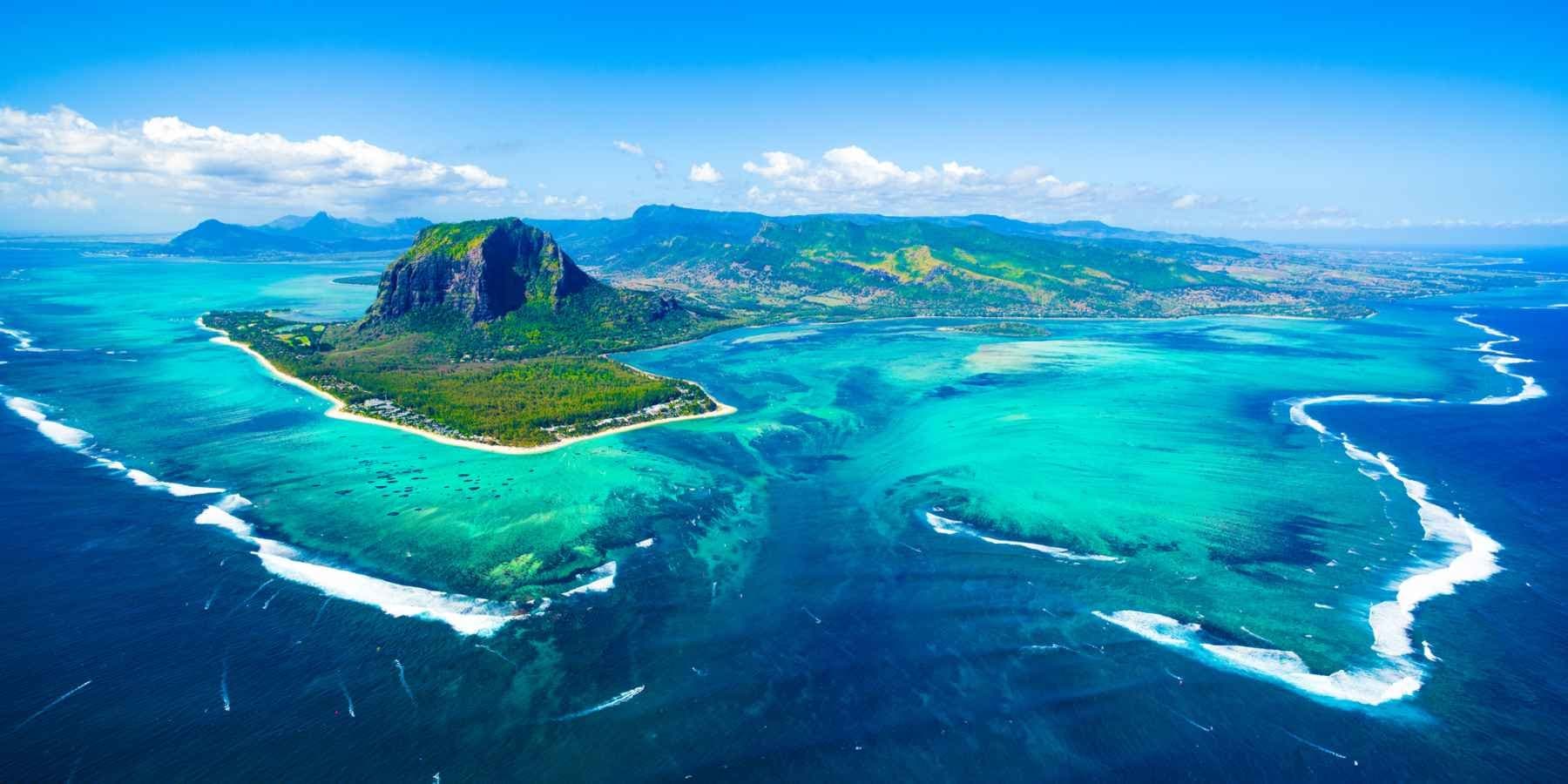
Mauritius is often pictured as a honeymoon island, and its lagoons certainly deliver: water in shades from pale jade to deep sapphire, calm enough for paddleboarding and snorkeling, and protected by a coral reef that almost encircles the island. But there is far more here than beaches.
Mauritius had no permanent inhabitants until the Dutch, French and British arrived in turn. Enslaved Africans and Malagasy, then indentured laborers from India and traders from China, built the nation that exists today, and the result is one of the most diverse societies in the Indian Ocean.
You'll hear Mauritian Creole, French, English and Bhojpuri in a single conversation, pass Hindu temples, mosques, pagodas and churches in the same town, and eat dholl puri, Creole curries and fried noodles from neighboring stalls. The Aapravasi Ghat in Port Louis and Le Morne Brabant are UNESCO World Heritage Sites that tell the stories of indentured labor and of resistance to slavery.
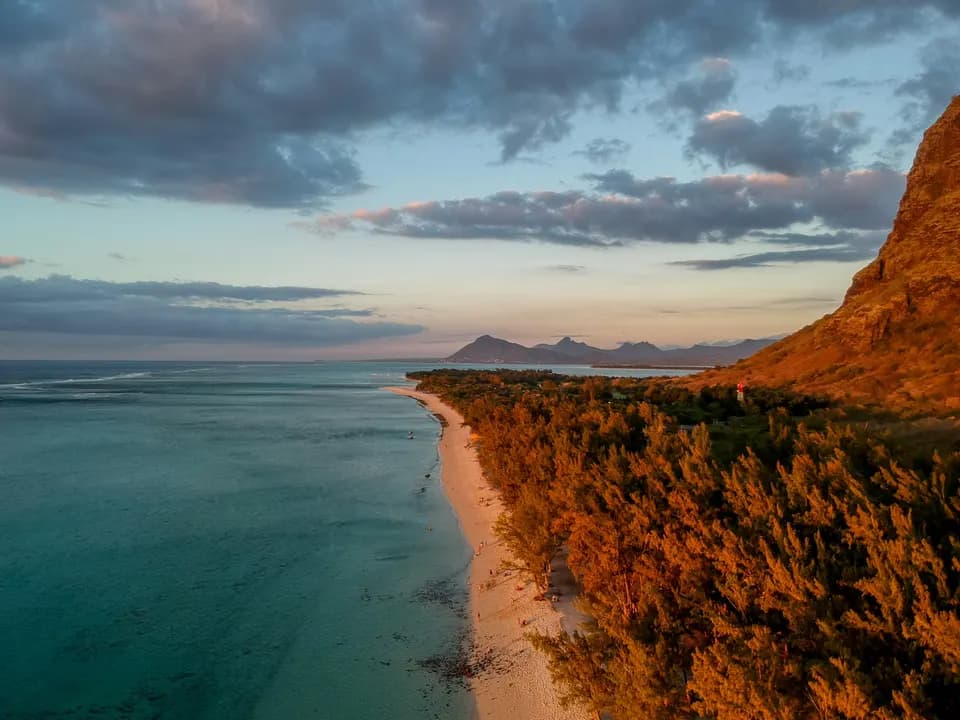
Each coast has its own character. The north, around Grand Baie and Cap Malheureux, is lively and sheltered. The east has long, quiet beaches and boat trips to Île aux Cerfs. The west enjoys the best sunsets and calmer winter weather, while the wild southwest, home to Le Morne, the Black River Gorges and Chamarel, is the island's adventure hub, with kitesurfing, hiking and whale and dolphin trips.
Inland, Black River Gorges National Park protects native forest, waterfalls and endemic birds such as the pink pigeon and Mauritius kestrel, both brought back from the brink of extinction. You can hike, zip-line, visit a rum distillery, admire the giant water lilies of the Pamplemousses botanical garden or browse the Central Market in Port Louis.
Where you stay shapes your trip, so we match coast and season to your priorities, whether that's calm swimming, kitesurfing, family facilities or seclusion, and choose from boutique hotels, villas and full-service resorts. Mauritius also pairs beautifully with a safari in South Africa or East Africa. Our Mauritius Island Romance journey shows how a week here can unfold, and we'll tailor it around you.
Why visit Mauritius
Swim, snorkel and paddleboard in calm lagoons protected by a coral reef that almost encircles the island.
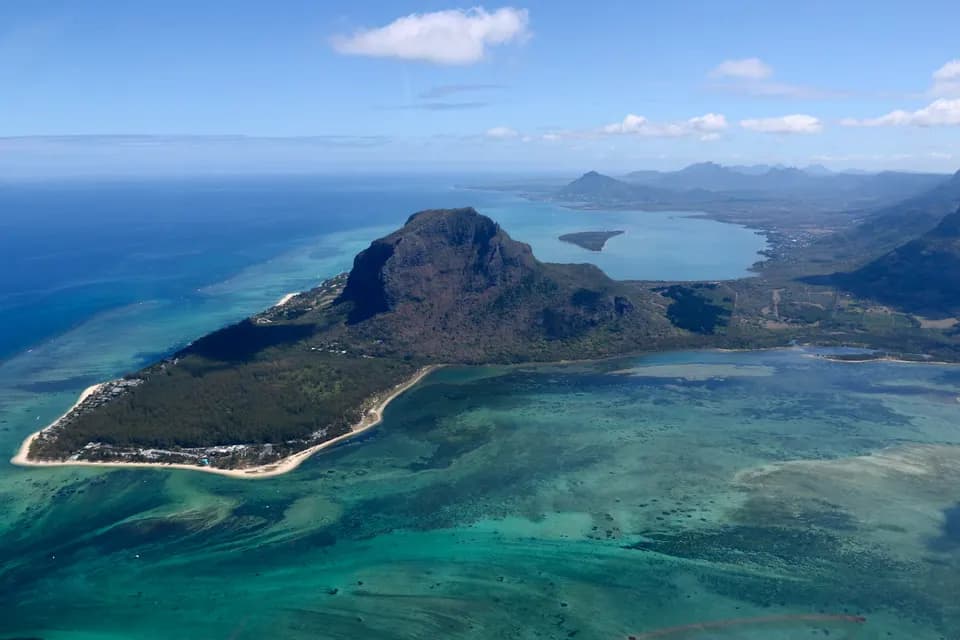
Hike the UNESCO-listed mountain that became a symbol of resistance to slavery, with views over the southwest lagoon.
Walk through native forest to waterfalls and viewpoints, watching for the rare pink pigeon and Mauritius kestrel.
Taste dholl puri, gateaux piments and Creole curries in Port Louis, where the island's cultures meet at every stall.
See the striped, multicolored dunes of the Seven Coloured Earth and a waterfall plunging into a forested gorge.
Kite the renowned southwest lagoon and reef breaks, or head out with responsible operators to look for whales and dolphins.
Where to go
Featured journeys
Use our featured journeys as inspiration. We'll tailor the dates, hotels, activities, pace and budget around you.
8 daysTwo Coasts, Lagoons & Island Culture
Plan your way
Tell us your dates, interests, travel style and budget. We’ll create an itinerary around you.
Free to start planning · No obligation · Tailored around you
When to go
Best months
Mauritius is warm all year, and the sea rarely cools below the low 20s °C (low 70s °F).
Summer runs from November to April: hot, humid and bright, with the warmest water and occasional heavy showers. January to March is the heart of the cyclone season. Most years pass without a direct hit, but a passing storm can bring a few days of wind and rain, so flexible plans and good travel insurance are wise.
Winter, from May to October, is drier, less humid and pleasantly warm by day, with cooler nights and steady southeast trade winds. That's perfect for kitesurfers in the southwest, less so for swimmers on the exposed east coast.
For many travelers, April to June and September to November strike the best balance of sunshine, calm seas and comfortable temperatures. Humpback whales typically pass the west coast between about July and October.
Travel information
Tipping isn't obligatory, and many hotels add a service charge, but tips for good service are appreciated: around 5 to 10 percent in restaurants, plus a little extra for drivers and guides.
Dress and etiquette. Beachwear is fine at the beach and pool, but cover up in towns. Remove your shoes and dress modestly when visiting temples and mosques, and ask before joining or photographing religious ceremonies.
Photography. Mauritians are generally relaxed about cameras, but always ask before photographing people, especially at festivals and places of worship.
Getting around. Driving is on the left, and roads can be narrow and winding, so many visitors prefer a private driver. Distances are short: most of the island is within about 90 minutes of the airport.
Connectivity. 4G coverage is good across most of the island, and hotels offer Wi-Fi.
Safety. Mauritius is easygoing and straightforward to travel. Take everyday precautions with valuables, and respect beach flags and local advice about currents beyond the reef.
For visas and health, see our entry requirements guidance and official sources.
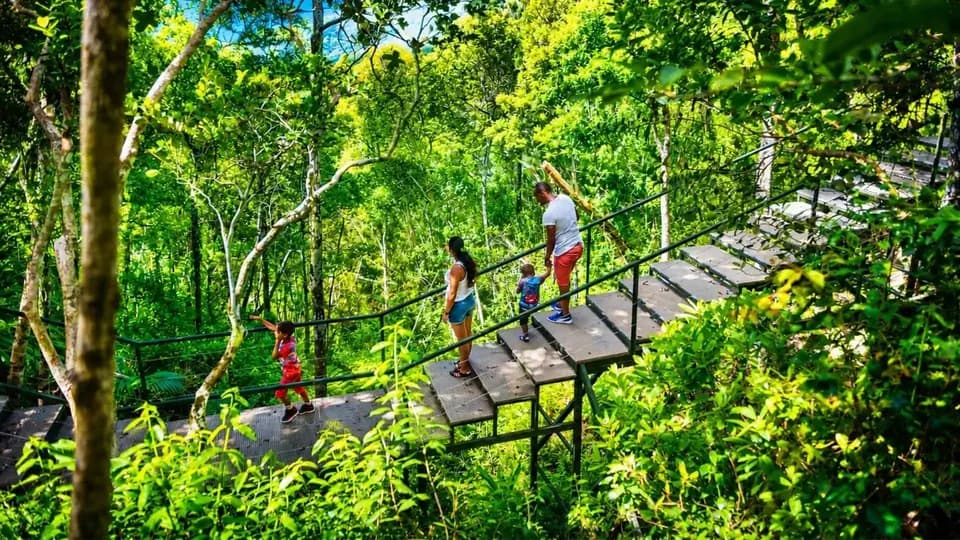
A family trip to Africa can be the adventure your kids talk about for years. Here's how to choose the right age, destinations and lodges, why a private vehicle changes everything, and how to balance safari days with beach time.
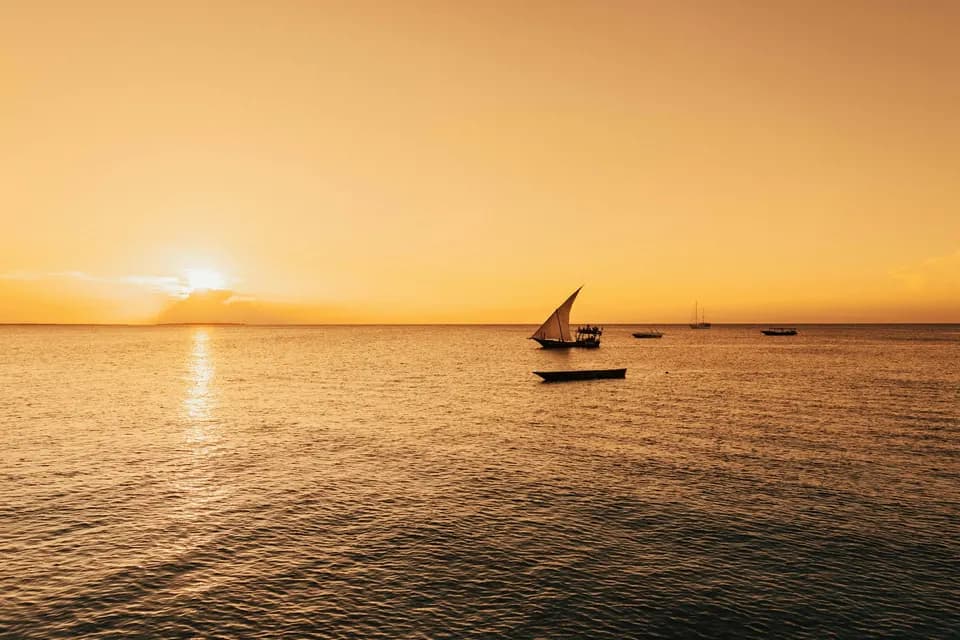
All three islands have beautiful beaches, but they feel very different. We compare Zanzibar, Mauritius and the Seychelles on beaches, culture, weather, budget and how easily each pairs with a safari.
Tell us how you want to travel. We’ll build the itinerary around your dates, interests and budget.