Africa is one of the closest long-haul destinations to India. At the time of writing, nonstop flights link Mumbai with Nairobi and Mauritius (roughly six hours each) and the Seychelles (under five), as well as with Dar es Salaam, Addis Ababa and Cairo. East Africa is only two and a half hours behind Indian Standard Time, so there's barely any jet lag, even on a short holiday.
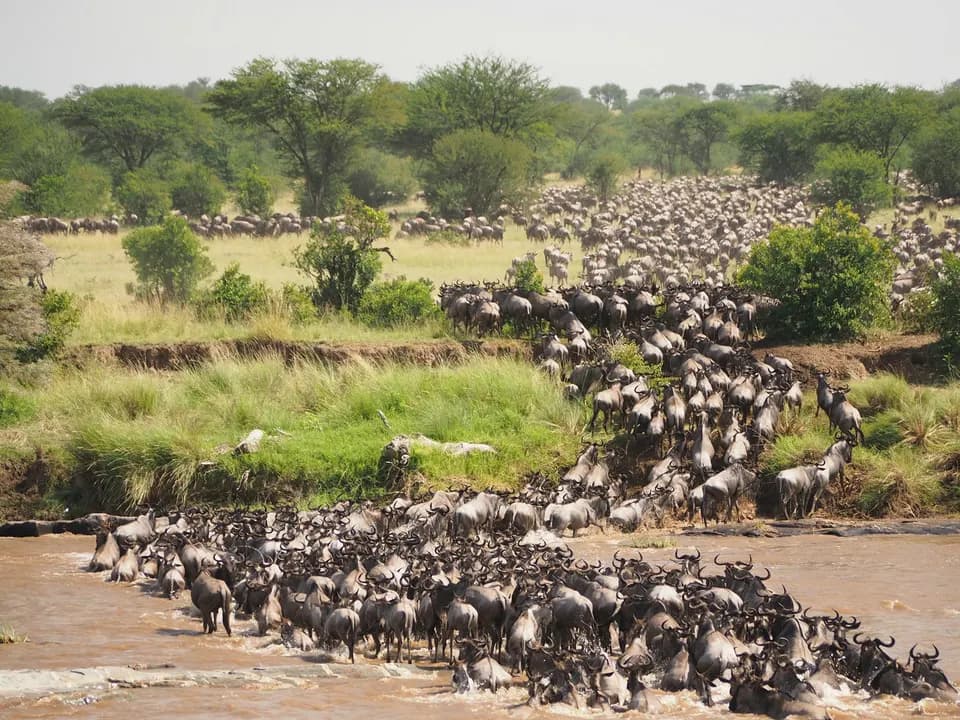
The seasons line up beautifully, too. When the monsoon arrives in India, East and Southern Africa enter their dry season: from July the Great Migration usually reaches Kenya's Maasai Mara, and game viewing in Tanzania, South Africa and Botswana is at its best. Diwali often falls during the late migration or South Africa's spring, and the wedding season is followed by honeymoons in Mauritius, the Seychelles and Zanzibar.
There are deep historical ties as well. Communities of Indian origin have shaped life in Nairobi, Mombasa, Dar es Salaam, Zanzibar, Durban and Mauritius for generations, so vegetarian restaurants and familiar flavors are easy to find in the cities. Safari lodges can usually prepare vegetarian meals with notice, and Jain meals with more advance planning.
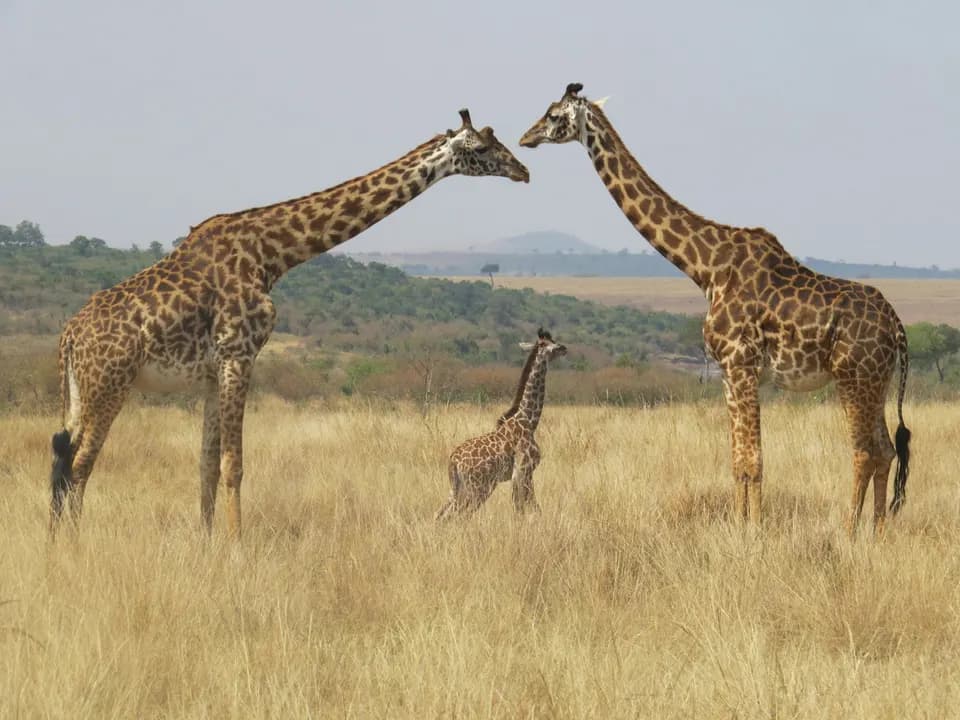
If you have tracked tigers in India's national parks, an African safari will feel both familiar and completely different: open plains where lions, cheetahs and huge herds are often in view at the same time.
A human travel designer plans your trip around your dates, family, food preferences and budget. Prices are shown in US dollars, and you pay nothing until you've approved your itinerary and quote. Every journey is customizable. Plan my Africa trip or see how it works.
Mumbai to Nairobi is a nonstop of roughly six hours with Kenya Airways or IndiGo at the time of writing, and Kenya is just 2.5 hours behind IST. The migration season (usually July–October) overlaps with the monsoon, and Nairobi's long-established Indian community means vegetarian food is easy to find.
Tanzania pairs the Serengeti and Ngorongoro Crater with a Zanzibar beach finish. Air Tanzania flies nonstop from Mumbai to Dar es Salaam at the time of writing (IndiGo has announced the route too); for the northern parks, connect via Nairobi or Addis Ababa to Kilimanjaro.
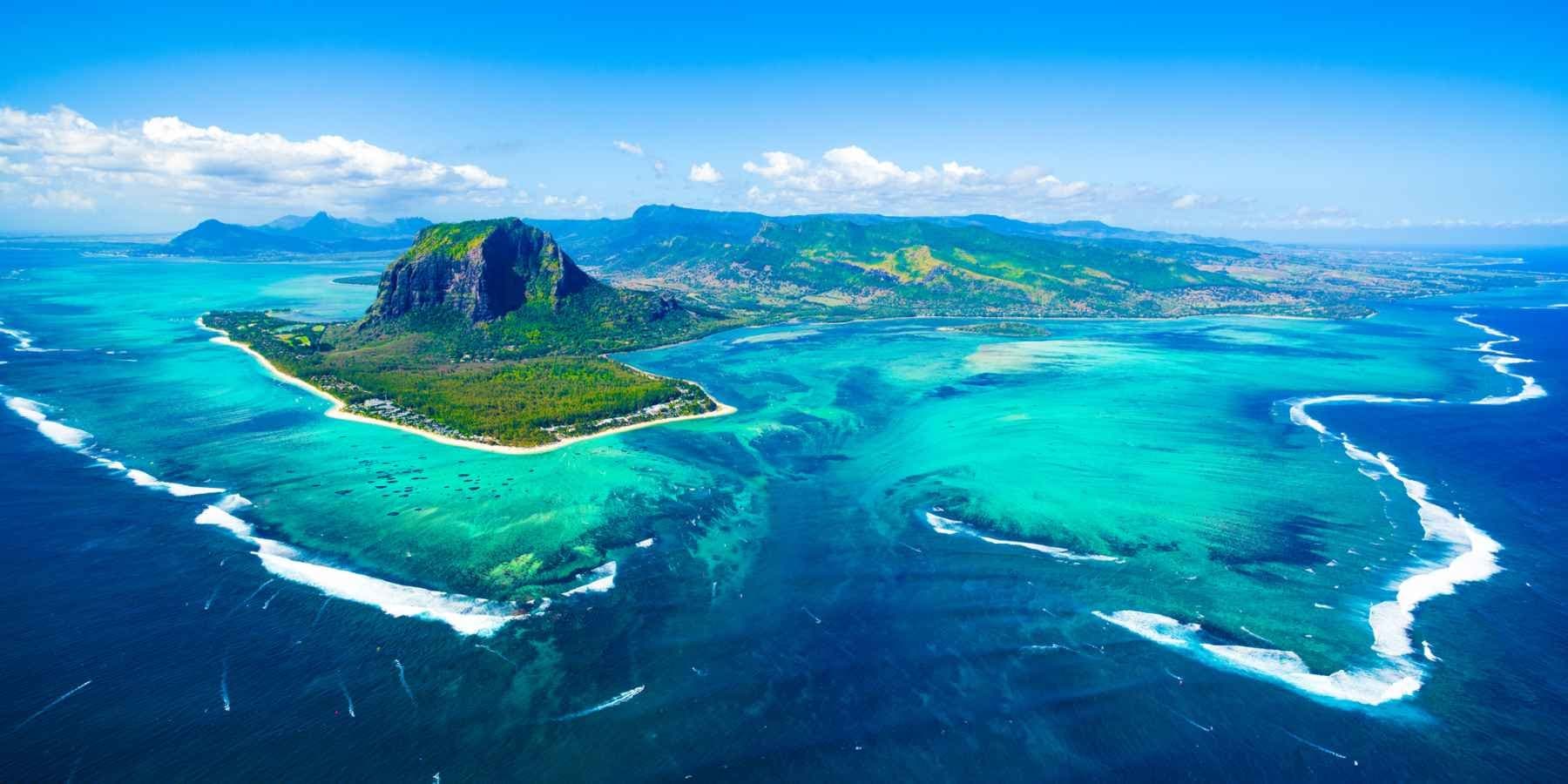
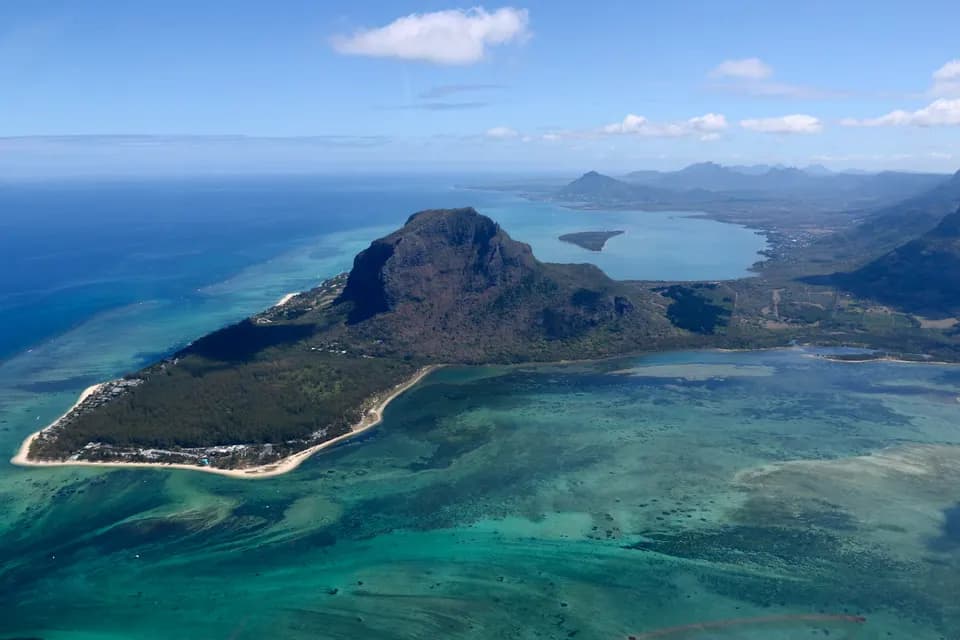
A natural choice for honeymoons and family holidays: nonstop from Mumbai (and some other Indian cities) in about six hours at the time of writing, only 1.5 hours behind IST, with familiar food and festivals. Diwali and Maha Shivaratri are public holidays in Mauritius.
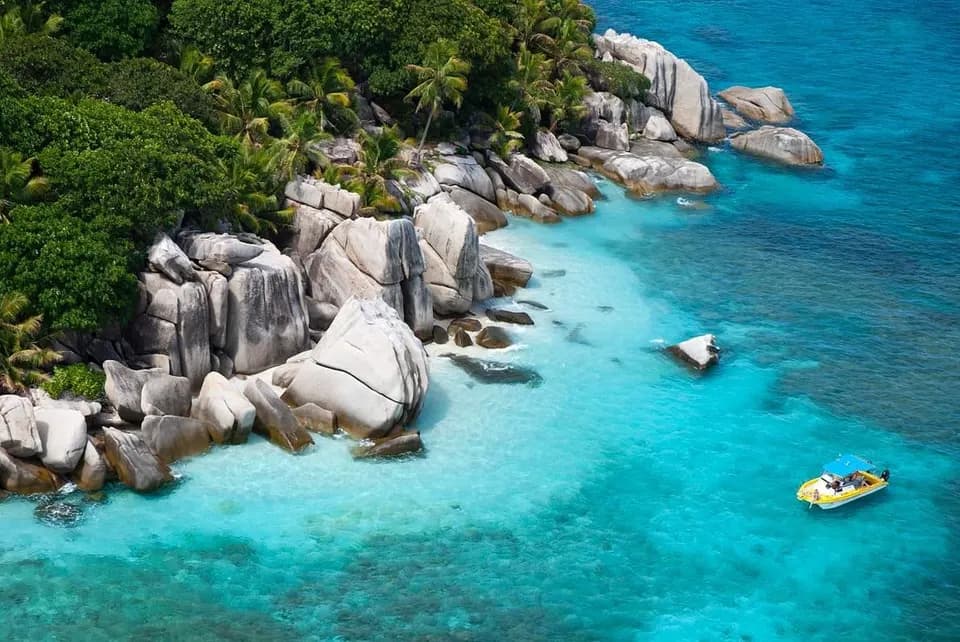
IndiGo flies nonstop from Mumbai to Mahé in under five hours at the time of writing, and the Seychelles are just 1.5 hours behind IST, ideal for a relaxed island-hopping honeymoon of a week or so.
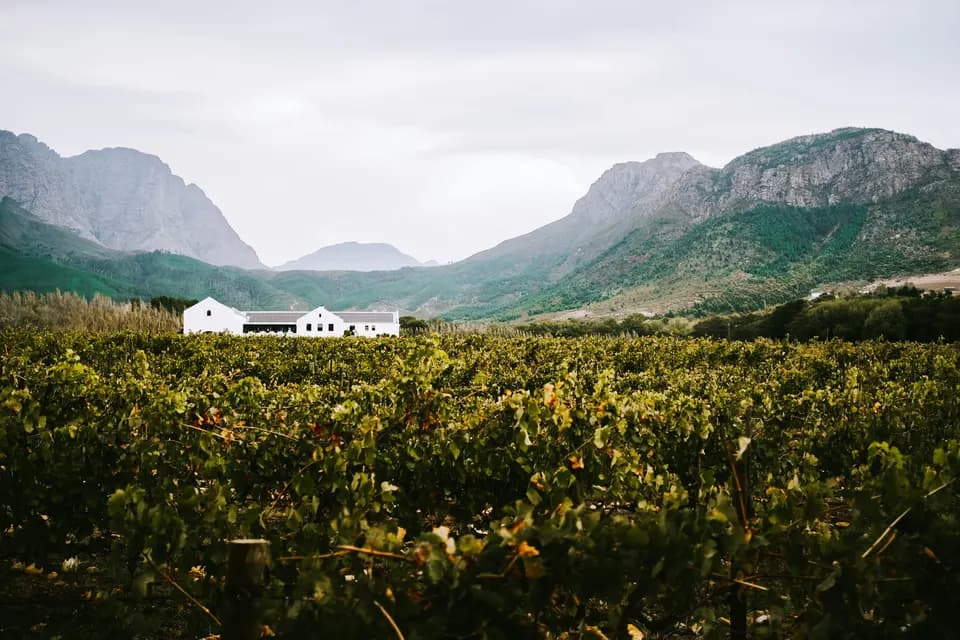
South Africa combines Cape Town, the Winelands and a Big Five safari near Kruger. There's no nonstop from India at the time of writing, so most travelers connect via Addis Ababa, Nairobi, Mauritius, the Seychelles or a Gulf hub. Durban, home to one of the largest communities of Indian origin outside India, is a meaningful extra stop for some families.
EgyptAir flies nonstop from Mumbai and Delhi to Cairo at the time of writing. October to April is the comfortable season for the pyramids, temples and a Nile cruise, which suits the Diwali and winter holidays.
What travelers from India love
Safari & Wildlife — Big-cat country. A private vehicle lets families with elders or young children set their own pace, with shorter drives and plenty of rest in between.
Romance & Honeymoons — Honeymoons after the wedding season: Mauritius, the Seychelles or Zanzibar, often with a few safari nights in Kenya or Tanzania first.
Family Adventures — Multigenerational trips with vegetarian meals, gentle pacing, connecting rooms and lodges that are comfortable for grandparents and children alike.
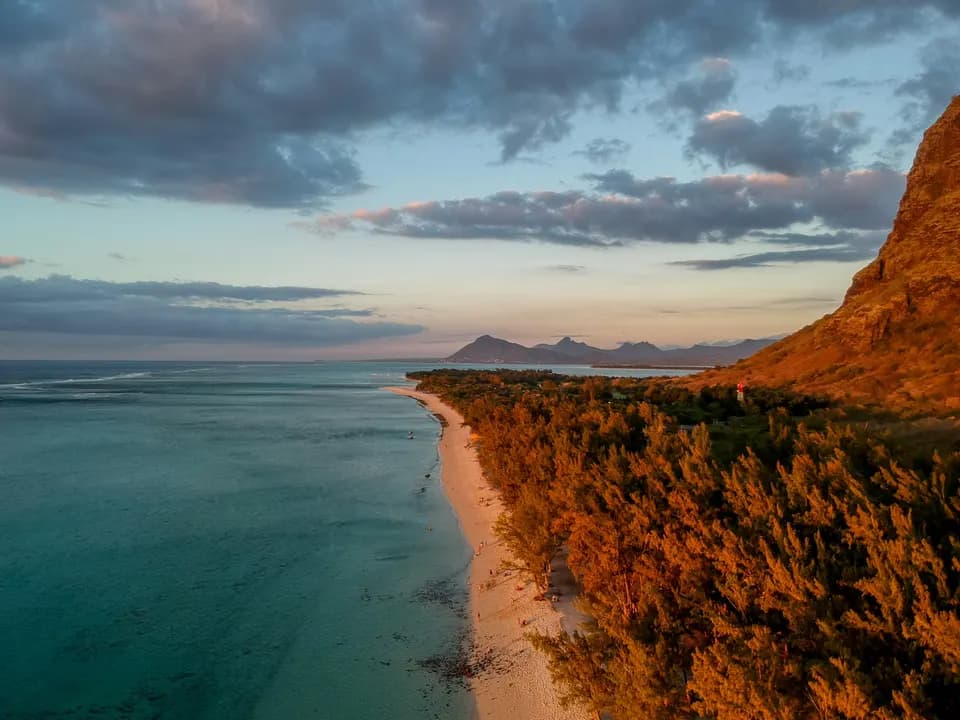
Beaches & Islands — Short flights to Mauritius and the Seychelles make a relaxed beach holiday possible even on a week off.
Culture & Heritage — Egypt's pyramids and temples, and Zanzibar's Stone Town, shaped by centuries of Indian Ocean trade with the Gulf and India.
Who we plan for
Couples — Honeymooners and anniversary trips, with private dinners, beach villas and a slower pace after the wedding rush.
Families — Multigenerational families, planned around elders and children, vegetarian or Jain meals and short transfers.
Private Groups & Celebrations — Extended-family trips and celebrations, such as milestone birthdays and anniversaries, with rooms close together and private vehicles.
Corporate & Incentive Travel — Incentive and team trips. Kenya and Mauritius are close enough for a short program, with group-friendly hotels and private events.
Getting there from India
Departure gateways
From
Airport
Good to know
Mumbai
Chhatrapati Shivaji Maharaj International Airport (BOM)
India's main gateway to Africa, with nonstops to Nairobi, Dar es Salaam, Mauritius, the Seychelles, Addis Ababa and Cairo at the time of writing.
Delhi
Indira Gandhi International Airport (DEL)
Ethiopian Airlines to Addis Ababa and EgyptAir to Cairo; otherwise connect via Mumbai or a Gulf hub.
Bengaluru
Kempegowda International Airport (BLR)
IndiGo nonstop to Mauritius and Ethiopian Airlines to Addis Ababa at the time of writing.
Chennai
Chennai International Airport (MAA)
Limited Air Mauritius flights to Mauritius and Ethiopian Airlines to Addis Ababa at the time of writing.
Hyderabad
Rajiv Gandhi International Airport (HYD)
Connect via Mumbai or a Gulf hub such as Dubai, Doha or Abu Dhabi.
Kochi
Cochin International Airport (COK)
Frequent Gulf connections to East and Southern Africa via Dubai, Doha or Abu Dhabi.
Kolkata
Netaji Subhas Chandra Bose International Airport (CCU)
Connect via Mumbai, Delhi or a Gulf hub.
Nonstop options at the time of writing
Kenya: Kenya Airways and IndiGo fly Mumbai–Nairobi, roughly six hours.
Tanzania: Air Tanzania flies Mumbai–Dar es Salaam, and IndiGo has announced the route from late 2026.
Mauritius: Air Mauritius and Air India fly from Mumbai, and IndiGo from Bengaluru; Air Mauritius also serves Chennai, and at times Delhi. Roughly six hours from Mumbai.
Seychelles: IndiGo flies Mumbai–Mahé, under five hours.
Egypt: EgyptAir flies from Mumbai and Delhi to Cairo.
Ethiopia: Ethiopian Airlines flies from Delhi, Mumbai, Bengaluru and Chennai to Addis Ababa, its hub for Kilimanjaro, Zanzibar, Kigali, Johannesburg and more.
One-stop routings
At the time of writing there's no nonstop from India to South Africa, Zanzibar, Kilimanjaro, Botswana or Morocco. Common connections run via Nairobi, Addis Ababa, Mauritius or the Seychelles, or via Gulf hubs such as Dubai, Abu Dhabi and Doha, which are well served from most Indian cities. Gulf hubs have occasionally been affected by regional disruption, so we confirm current schedules before you book.
Journey times
A one-stop trip from Mumbai to Kilimanjaro, Zanzibar or Johannesburg typically takes around 10–14 hours in total; from other cities, add the connection to your first hub.
Schedules change often. We only book flights if you ask, and we're happy to plan around flights you've booked yourself.
Entry requirements for travelers from India
Entry rules change. Here is what official sources said when we last checked — always confirm with the official source and your airline before you travel.
Passport
At our last check, Passport Seva advised that your passport be valid for at least six months to travel abroad, with two to four blank pages, and suggested applying for a re-issue up to a year before it expires. Kenya and Tanzania also asked Indian visitors for six months of validity.
Read more
Validity and pages. The Passport Seva portal advises at least six months' validity to travel abroad and two to four blank pages. At our last check, destination rules for Indian passport holders included:
Kenya (eTA): at least six months' validity and one blank page
Tanzania (visa): at least six months' validity and one unused visa page
South Africa: DHA asks for validity of at least 30 days after your visit ends; its ETA platform asks for at least seven months from your travel date
Mauritius and Seychelles: valid for your whole stay (for Seychelles, until you're back home)
Running out of pages? Pages can't be added to a passport booklet. Apply for a re-issue with the reason "Exhaustion of Pages". Duplicate passports aren't issued: a re-issued passport has a new number and fresh validity, so renew before applying for any e-visa or eTA.
Damaged passports. Passport Seva distinguishes a damaged passport (number readable, name legible, photo intact) from one damaged beyond recognition; apply for a re-issue with the reason Lost/Damaged. Tatkaal isn't available for lost or stolen passports, passports damaged beyond recognition, or name changes.
Names. Make sure the name and passport number on your tickets, e-visas, eTAs and insurance match your passport exactly. South Africa's ETA reads details straight from your passport, and they can't be amended.
Rules change — always confirm with the official source before you travel, and check the requirements of any country you transit.
Travel insurance
At our last check, Zanzibar was the one destination in this guide with a mandatory, government-specified policy: every visitor except residents must buy the Zanzibar Insurance Corporation's inbound travel insurance. The official entry checklists we reviewed for Kenya, mainland Tanzania, South Africa, Mauritius and Seychelles did not list insurance as a requirement, but we strongly recommend comprehensive cover including medical evacuation.
Read more
Zanzibar (Tanzania). All visitors except residents must hold Inbound Travel Insurance from the Zanzibar Insurance Corporation (ZIC), bought only through the official ZIC portal. International policies aren't accepted as proof. At the time of checking it cost US$44 per visitor and covered up to 92 days inside Tanzania from your arrival in Zanzibar; infants aged 0–2 were free and children aged 3–17 half price. It's a basic plan (ZIC notes, for example, that it excludes terrorism), so it doesn't replace your own cover.
cover for the whole trip and every country on it, including transit stops
emergency medical treatment, medical evacuation and repatriation
pre-existing conditions, declared honestly
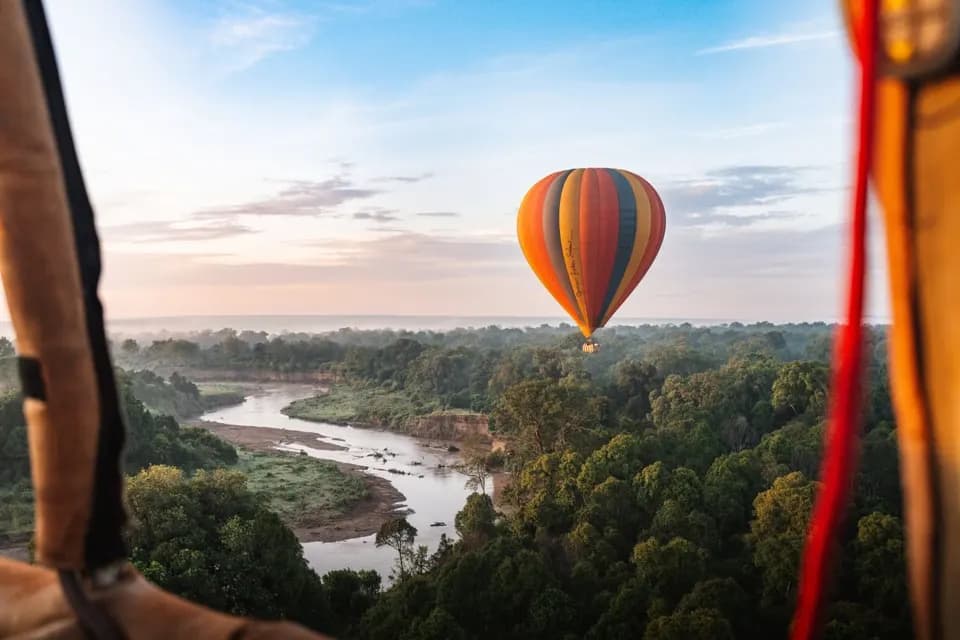
the activities you plan, such as a Kilimanjaro trek or a hot-air balloon flight
Carry your policy number and the insurer's 24-hour emergency assistance contacts.
Buying in India. India's insurance regulator, IRDAI, publishes lists of registered general insurers and health insurers, which you can use to check who is behind a policy.
Rules change — always confirm with the official source before you travel, and check the requirements of any country you transit.
Health
At our last check, India required a valid yellow fever certificate from travelers arriving from yellow fever endemic countries, including Kenya, and travelers without one could be quarantined for up to six days. Many East African safari areas also carry a high malaria risk, so get medical advice well before you go.
Read more
Yellow fever: the rule on your way home. India's Health Ministry (IHR Points of Entry portal) and the Bureau of Immigration require a valid yellow fever vaccination certificate from travelers arriving from listed endemic countries. At our last check, both lists included Kenya, Uganda and Ethiopia; Tanzania, South Africa, Mauritius and Seychelles were on neither. The lists differ slightly (the Bureau of Immigration's includes Rwanda; the Health Ministry's doesn't), so check both.
A certificate is valid from 10 days after vaccination, for life.
Without a valid certificate you can be quarantined until it becomes valid, or for up to six days from your last possible exposure, whichever comes first.
Quarantine triggers include a certificate issued less than 10 days before arrival, one from a non-designated center, missing stamps, signatures or batch numbers, photocopies or digital copies, and alterations. A medical exemption letter doesn't exempt you from quarantine.
Transits count: travelers who leave the airport transit area in an endemic country also need a certificate.
Discuss this with a doctor well before a Kenya safari. In India, certificates come from centers authorized by the Health Ministry.
Malaria. Official travel-health guidance such as TravelHealthPro rates malaria risk as high across much of Kenya (very low in Nairobi city and the highlands above 2,500m) and in all areas of Tanzania below 1,800m, including Zanzibar. Ask your doctor about prevention and bite avoidance.
Rules change — always confirm with the official source before you travel, and check the requirements of any country you transit.
This is general guidance, not legal advice. Requirements depend on your nationality, passport and route. Always verify with official authorities before departure.
Destination by destination
Seychelles+
Seychelles
Entry rules change. Here is what official sources said when we last checked — always confirm with the official source and your airline before you travel.
Visa & entry
At our last check, Seychelles required no visa from any visitor: a visitor's permit is issued free on arrival for up to three months. Before you fly, every traveler, children included, must hold an approved Seychelles Travel Authorisation from the official Seychelles Electronic Border System.
Read more
Travel Authorisation. Apply on the official Seychelles Electronic Border System or its official e-Border app, within 30 days of arrival and only after booking your flights and accommodation. Without one you may be denied boarding; if you arrive without one, you must apply on your own device before immigration and pay a €30 penalty.
Fees at the time of checking: €10 standard (24 hours), €30 premium (6 hours) or €70 expedited (60 minutes) for adults; for children 12 and under, €10, €30 or €30. Bank charges are extra, and fees are non-refundable.
Accommodation: for stays of one night or more, upload a booking showing where you're staying and your dates. Applications listing accommodation not on the Tourism Department's authorized list may be denied.
Yellow fever: travelers aged 1 to 59 must upload a certificate only if arriving from an endemic country such as Kenya; airport transits under 12 hours don't count.
Visitor's permit.Immigration and Civil Status issues it on arrival for holidays, business or visiting friends and family. It's free for the first three months and can be extended up to 12 months in total. You'll need:
a passport valid for your whole stay, until you're back home
a return or onward ticket
confirmed accommodation
sufficient funds of at least US$150 a day, or the equivalent
The official portal says travel insurance isn't required but is highly recommended.
Rules change — always confirm with the official source before you travel, and check the requirements of any country you transit.
This is general guidance, not legal advice. Requirements depend on your nationality, passport and route. Always verify with official authorities before departure.
Mauritius+
Mauritius
Entry rules change. Here is what official sources said when we last checked — always confirm with the official source and your airline before you travel.
Visa & entry
At our last check, Mauritius's Passport and Immigration Office listed Indian nationals as not requiring a visa, with the length of stay decided by the immigration officer on arrival. You'll need a passport valid beyond your stay, a return ticket, a confirmed hotel booking and enough funds, plus the free All-in-One Travel Digital Form completed before you fly.
Read more
Visa. The Passport and Immigration Office (PIO) country list showed "No visa required" for India at our last check. The final decision to admit you rests with the immigration officer at the point of entry, who also decides how long you can stay; PIO says tourists may be granted up to six months in a calendar year, case by case. Visas and extensions of stay are issued free of charge.
hold a valid return ticket and be eligible to re-enter their home country
have adequate funds for the stay
have a confirmed hotel booking or sponsorship for accommodation
not work without a valid permit
All-in-One Travel Digital Form. Complete it on the official Safe Mauritius site. The Ministry of Health and Wellness says it's required under Mauritian law before traveling, that proof of completion is required at boarding, and that the government charges no fee for it. The form accepts arrival dates up to 15 days ahead, so complete it in the two weeks before you fly.
Overstaying is an offense that can lead to prosecution.
Rules change — always confirm with the official source before you travel, and check the requirements of any country you transit.
This is general guidance, not legal advice. Requirements depend on your nationality, passport and route. Always verify with official authorities before departure.
South Africa+
South Africa
Entry rules change. Here is what official sources said when we last checked — always confirm with the official source and your airline before you travel.
Visa & entry
At our last check, holders of ordinary Indian passports needed a visa for South Africa. Adults could apply online through the Department of Home Affairs' Electronic Travel Authorisation (ETA) platform, which was piloted with travelers from India, for arrivals at four major airports, with most outcomes within 24 hours.
Read more
Visa and ETA. DHA's visa-exemption list (issued 9 December 2025) doesn't exempt ordinary Indian passports. On DHA's official ETA platform you register, scan your passport, take a selfie and pay; for visa-required travelers, an approved ETA is issued as a port-of-entry visa.
Where it works: arrivals at OR Tambo (Johannesburg), Cape Town, King Shaka (Durban) and Lanseria airports.
Validity: typically up to six months from issue, with multiple entries and stays of up to 90 days each. Your length of stay is set at the port of entry.
Passport: at least seven months' validity from your travel date and 30 days beyond your visa's expiry; machine-readable and undamaged.
Children: minors can't apply through the ETA yet (DHA says they'll be added in a future phase), so families should confirm the right route with South Africa's mission in India.
Fees are non-refundable. If an ETA is refused, you can still apply through a South African mission or the eVisa system where available.
In August 2026, DHA's minister said the ETA will progressively become compulsory for visa-required countries, so check the current position before you apply.
At the border, carry a return or onward ticket, proof of accommodation and funds, and a yellow fever certificate if applicable. Since 1 July 2026, travelers must also submit the SARS Customs Online Traveller Declaration before traveling.
Rules change — always confirm with the official source before you travel, and check the requirements of any country you transit.
This is general guidance, not legal advice. Requirements depend on your nationality, passport and route. Always verify with official authorities before departure.
Tanzania+
Tanzania
Entry rules change. Here is what official sources said when we last checked — always confirm with the official source and your airline before you travel.
Visa & entry
At our last check, Indian citizens needed a visa for Tanzania. Tanzania Immigration Services recommended applying online through the official e-visa portal, though Indian nationals were also eligible for a visa on arrival; your passport needs at least six months of validity and one unused visa page.
Read more
Visa. Tanzania's official e-visa guidelines name India among the Commonwealth countries whose citizens need a visa, and among the nationalities eligible for a visa on arrival, but recommend applying online. Apply only through the official Tanzania Immigration Services website.
Cost and validity: at the time of checking, the ordinary (tourist) visa was US$50 and valid for up to 90 days.
Timing: online applications are processed within ten days. Wait for your Visa Grant Notice before traveling.
Each passport holder applies separately, including children.
One visa covers the mainland and Zanzibar; select your first destination on the form.
On arrival you must show a return ticket.
Zanzibar insurance. All visitors to Zanzibar must buy mandatory Inbound Travel Insurance from the Zanzibar Insurance Corporation through its official portal: US$44 per visitor at the time of checking.
Yellow fever. At our last check, Tanzania wasn't on India's list of yellow fever endemic countries, so a Tanzania-only trip doesn't trigger India's certificate rule on your return. Adding Kenya changes that: India requires a certificate from travelers arriving from Kenya, and TravelHealthPro says Tanzania asks for one from travelers arriving from a yellow fever risk country or after a transit of more than 12 hours in one.
Rules change — always confirm with the official source before you travel, and check the requirements of any country you transit.
This is general guidance, not legal advice. Requirements depend on your nationality, passport and route. Always verify with official authorities before departure.
Kenya+
Kenya
Entry rules change. Here is what official sources said when we last checked — always confirm with the official source and your airline before you travel.
Visa & entry
At our last check, holders of ordinary Indian passports needed an approved electronic travel authorization (eTA) before traveling to Kenya, applied for only through the official eTA website or app. Kenya is on India's yellow fever list, so you'll need a valid certificate when you return to India.
Read more
eTA. Kenya's exemptions cover only Indian diplomatic, official and service passports. Apply on Kenya's official eTA portal or the official "Kenya Travel Authorisation" app. Every traveler needs an approved eTA before the journey begins, including infants and children; you can apply as a group, but each person needs their own. Show it, printed or on your phone, at departure and arrival.
Timing: processing typically takes three working days; Kenya's immigration service recommends applying at least two weeks before travel.
Cost: at the time of checking, a standard single-entry eTA was US$30, with an expedited option at extra cost. Fees are non-refundable, and an application with mistakes may need to be redone and paid for again.
You'll need: a passport with at least six months' validity and at least one blank page, a selfie or passport-style photo, contact details, your arrival and departure itinerary, accommodation booking confirmations and a payment card.
An approved eTA isn't the final word: admission is decided at the port of entry.
Coming home. India's Health Ministry lists Kenya as a yellow fever endemic country. Without a valid yellow fever certificate you can be quarantined for up to six days on arrival in India; see India · Health.
Rules change — always confirm with the official source before you travel, and check the requirements of any country you transit.
This is general guidance, not legal advice. Requirements depend on your nationality, passport and route. Always verify with official authorities before departure.
Practical planning
Currency & payments
Paying for your trip
Our prices are set in US dollars, and you pay nothing until you've approved your itinerary and quote. Payments abroad from India fall under the Reserve Bank of India's Liberalised Remittance Scheme, and tax collected at source (TCS) may apply to some foreign remittances and overseas tour packages. The rates and thresholds have changed several times in recent years, so check the current position with your bank or tax adviser before you pay.
Money on the ground
Carry US dollars in clean, recent notes for tips and extras in East Africa. Indian rupees are hard to exchange in most African countries.
A multi-currency forex card from your bank is useful for ATMs and card payments; keep a backup card too.
Visa and Mastercard are the most widely accepted cards. Enable international usage before you leave.
Mauritius and the Seychelles use their own rupees, not the Indian rupee. UPI and RuPay have launched in Mauritius, but acceptance varies, so carry a card and some cash as well.
South Africa uses the rand, and cards are accepted almost everywhere.
Plugs & adapters
India's sockets (Types C, D and M at 230 volts) give you a head start: the voltage matches most of Africa, and some of your plugs will fit.
South Africa: the large round-pin Type M matches Indian 15-amp plugs, and newer Type N sockets accept slim two-pin plugs.
Botswana, Namibia and Zimbabwe: Type D is common in all three and Type M in Botswana and Namibia (with Type G in Botswana and Zimbabwe too), so Indian three-pin plugs often fit.
Kenya, Tanzania, Zanzibar and the Seychelles: Type G (UK-style), so you'll need an adapter. Mauritius uses Types G and C.
Morocco, Egypt and Rwanda: two-pin Type C plugs work.
One universal adapter with USB ports covers mixed trips. Safari camps often run on solar power with limited charging, so avoid high-wattage appliances and bring a power bank.
Mobile, roaming & eSIM
Indian carriers offer international roaming packs, but check that yours covers each country on your route and how much data it includes, as African coverage and pricing vary.
eSIM: simple for short trips. Buy a single-country or regional Africa plan before departure; your phone must be unlocked and eSIM-capable.
Local SIM: best for longer or data-heavy trips. Kenya, Tanzania and South Africa, among others, require SIM registration with your passport, so buy from an official store.
In the bush: signal is patchy in national parks, and Wi-Fi at safari camps is often limited to the lounge.
WhatsApp works just as it does at home and is how most guides, drivers and lodges communicate. Keep your Indian number able to receive SMS: banks often send one-time passwords for card payments, so make sure roaming SMS works or switch to app-based authentication before you leave.
Time zones & jet lag
India doesn't change its clocks, and neither do most African destinations, so time differences are small and stable:
Mauritius and the Seychelles: 1.5 hours behind IST.
Kenya, Tanzania and Zanzibar: 2.5 hours behind.
South Africa, Botswana, Zimbabwe, Namibia and Rwanda: 3.5 hours behind.
Egypt: 3.5 hours behind in winter and 2.5 hours from late April to late October, when Egypt uses summer time.
Morocco: 5.5 hours behind (at the time of writing Morocco keeps GMT year-round).
With gaps this small, jet lag is rarely an issue. The thing to plan around is flight timing: some flights from India land very early in the morning, so we look at early check-in or a relaxed first day where it helps.
Seasons & holidays
Summer vacation (roughly April–June, depending on your state and board). April and May bring the long rains to Kenya and Tanzania, when some camps close, so consider Mauritius or the Seychelles (usually warm, calm months), South Africa's autumn, or Egypt early in the season before it gets very hot. By June the East African dry season has begun, and a June safari can be excellent before the peak.
Monsoon months (June–September). Escape the rain for Africa's dry season. The migration usually reaches the Maasai Mara from July, and Botswana, Kruger and Zimbabwe are at their best.
Dussehra, Puja holidays and Diwali (roughly late September to November). October is still prime migration season in the Mara and a lovely time for Cape Town and Egypt. Diwali is also a public holiday in Mauritius.
Wedding season and winter holidays (November–February). The honeymoon months: Zanzibar is hot and mostly dry from December to February, Cape Town is in summer, and calving season begins in the southern Serengeti around January. Mauritius is warm but more humid, with cyclone season usually between January and March.
Christmas and New Year are peak season everywhere, so book early.
When to start planning
For honeymoons and summer-vacation trips, start 4–6 months ahead. For July–October migration safaris or Christmas and New Year, 9–12 months is safer, especially for family rooms and camps in the best areas.
Allow extra time for travel documents. Requirements for Indian passport holders vary by destination and change from time to time, so the Entry requirements section on this page lists verified guidance with official sources and last-checked dates. Always confirm with the destination's official immigration website or embassy before you book flights.
Tell us about dietary needs early. Vegetarian, Jain, halal or no-onion-no-garlic meals are easier for remote camps to prepare with advance notice, and we check each lodge before you confirm. For extended-family groups, allow extra time to find lodges with enough rooms close together.
Packing
Warm layers. Early game drives in June–August can start somewhere around 5–12°C, colder than you might expect in Africa. Pack a fleece, a light jacket, a cap and a shawl or scarf.
Soft bags. Light aircraft usually allow about 15 kg per person, including hand luggage.
Neutral colors: khaki, beige and olive on safari. Avoid bright colors, and dark blue or black in tsetse-fly areas.
Familiar snacks. Sealed, packaged snacks are handy on long transfers; avoid fresh food, which many countries restrict.
Modest clothing for Stone Town, Egypt and places of worship.
Medicines in their original packaging, with prescriptions.
A universal adapter and a power bank.
US dollars in small, recent notes for tips.
No plastic carrier bags. Kenya and Tanzania have banned them.
Journeys travelers from India love
Use our featured journeys as inspiration. We'll tailor the dates, hotels, activities, pace and budget around you.
Yes. At the time of writing, Kenya Airways and IndiGo fly nonstop from Mumbai to Nairobi in roughly six hours. From Delhi, Bengaluru, Chennai and other cities, connect via Mumbai, via Addis Ababa on Ethiopian Airlines, or via a Gulf hub such as Dubai, Abu Dhabi or Doha.
With Kenya only 2.5 hours behind IST, jet lag is minimal, and depending on your arrival time you may be able to reach the Maasai Mara by light aircraft the same day. Schedules change, so we check current options for your dates.
Is the monsoon a good time for an African safari?
Yes, it's one of the best times. India's southwest monsoon (roughly June to September) overlaps with the dry season across East and Southern Africa. The Great Migration usually reaches Kenya's Maasai Mara from July, often with river crossings from August to October, and Tanzania's northern Serengeti, Kruger and Botswana are all at their best.
Days are warm and mornings are cool, so pack layers. July and August are peak season, so plan 9 to 12 months ahead if you can.
Can I pay in rupees?
Our prices are set in US dollars, and payment is only requested after you've approved your itinerary and quote, with instructions provided at that stage. Paying a company abroad from India falls under the Reserve Bank of India's Liberalised Remittance Scheme, and tax collected at source (TCS) may apply depending on how and what you pay. The rules and rates have changed recently, so check with your bank or tax adviser first.
On the ground, carry US dollars and a forex card, because Indian rupees are hard to exchange in most African countries.
Do Indian passport holders need a visa for Africa?
It depends on the destination, and the rules change from time to time, so we don't state them from memory. The Entry requirements section on this page lists verified guidance for Indian passport holders, with links to official sources and the date each item was last checked.
Always confirm with the destination's official immigration or e-visa website, or its embassy or high commission in India, before you book flights, and allow extra time if an application is needed. Your travel designer can point you to the right official sources as your itinerary takes shape.
What is the time difference between India and Mauritius?
Mauritius is 1.5 hours behind Indian Standard Time, and so are the Seychelles. Neither country uses daylight saving time, so the difference stays the same all year. That makes both islands easy for a short honeymoon or a long weekend, with no real jet lag to recover from.
For comparison, Kenya, Tanzania and Zanzibar are 2.5 hours behind IST, and South Africa is 3.5 hours behind.
Can safari lodges cater for vegetarian and Jain diets?
Yes, with notice. Vegetarian meals are straightforward at most safari lodges and hotels, and cities such as Nairobi, Mombasa, Dar es Salaam and Durban have long-established Indian communities and restaurants.
Jain meals (no root vegetables, onion or garlic) and other specific requirements are possible at many camps, but remote kitchens need time to source ingredients. Tell us when you start planning and we'll check with each lodge before you confirm. Packing a few sealed favorite snacks for long drives is a good idea too.
Planning from India? We’ll handle the details.
Tell us your dates and dream destinations. We’ll design your journey around your flights, your holidays and your budget — no payment to start planning.