 10 days
Serengeti + Zanzibar
Wildlife & Beach Escape
- Paced for a first safari
- Best Jan–Feb, Jun–Oct
From$6,900approx. ≈ £5,200approx. ≈ CA$9,450approx. ≈ A$10,500approx. ≈ €5,950per person sharing
Tanzania
Endless plains and the Great Migration
The Serengeti's golden plains host the Great Migration and some of Africa's densest populations of lions, leopards and cheetahs. Where you stay should follow the season, from the southern calving grounds to the Mara River crossings.
The name is usually traced to a Maa word for "endless plains," and on the Serengeti's southern grasslands the horizon really does seem to go on forever. Nearly 15,000 square kilometers (about 5,700 square miles) of savanna, woodland and granite kopjes make up the national park, which forms part of a far larger ecosystem stretching north into Kenya's Maasai Mara. It's a UNESCO World Heritage Site and, for many travelers, the definitive safari.
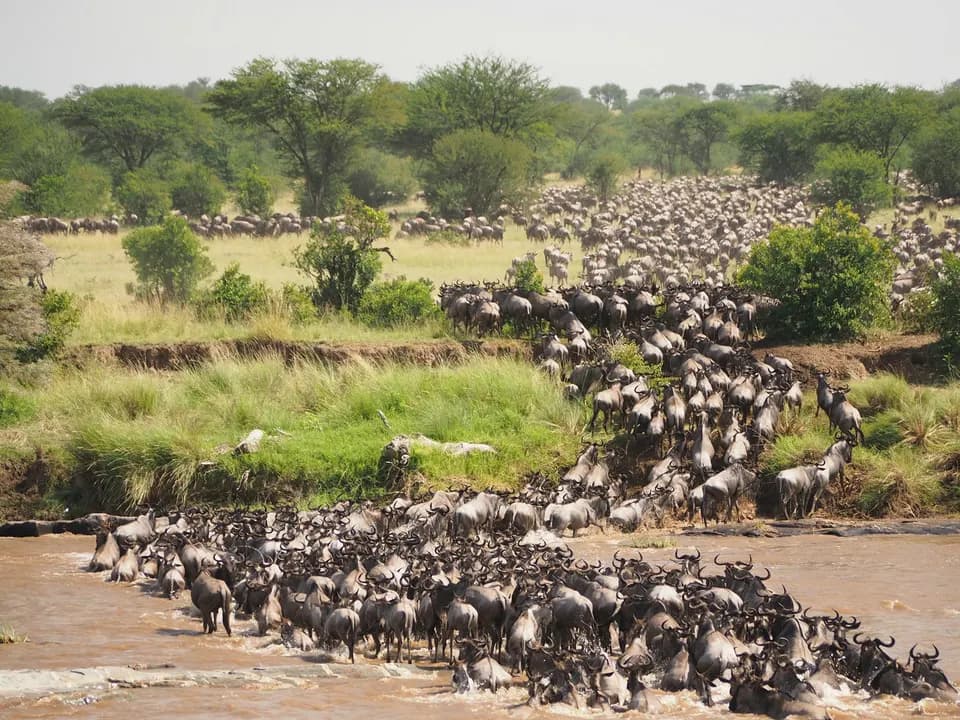
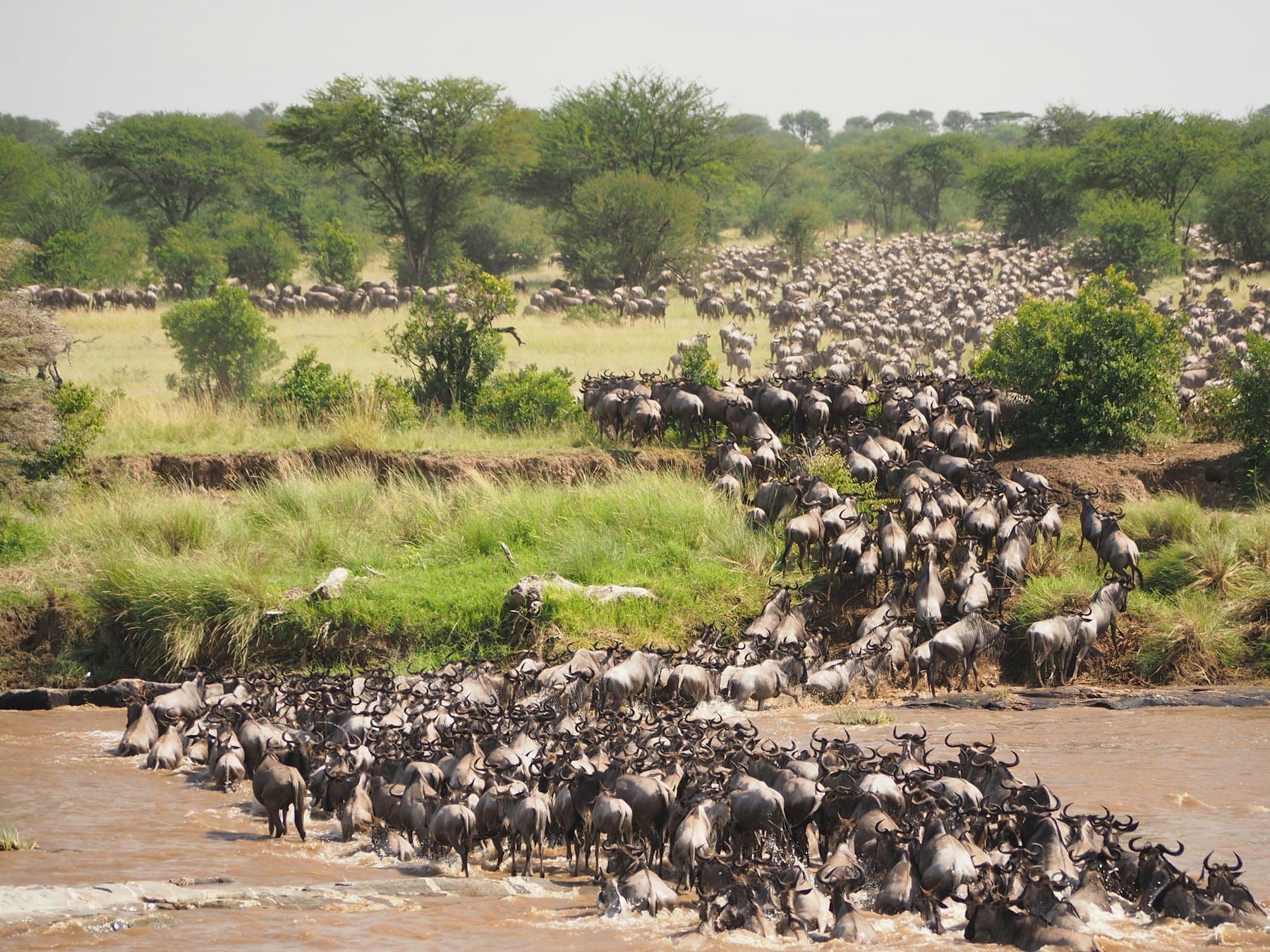
More than a million wildebeest, along with hundreds of thousands of zebra and gazelle, move through the ecosystem on a roughly circular route driven by rain and fresh grazing. From about January to March, the herds typically gather on the short-grass plains of the south around Ndutu, where calves are born in their thousands each day at the peak, and predators follow.
By May and June the herds are usually moving through the central and western Serengeti, including the Grumeti River area. From about July to October they reach the north, where crossings of the Mara River create the famous scenes of wildebeest plunging into crocodile-filled water.
The Serengeti is superb all year, not only when the migration passes. The central Seronera area, with its year-round rivers, is renowned for big cats: leopards draped in sausage trees along the riverbanks, lions on the kopjes and cheetahs hunting across the open plains. The remote northern and western corridors offer quieter game viewing, while dawn balloon flights reveal the sheer scale of the landscape.
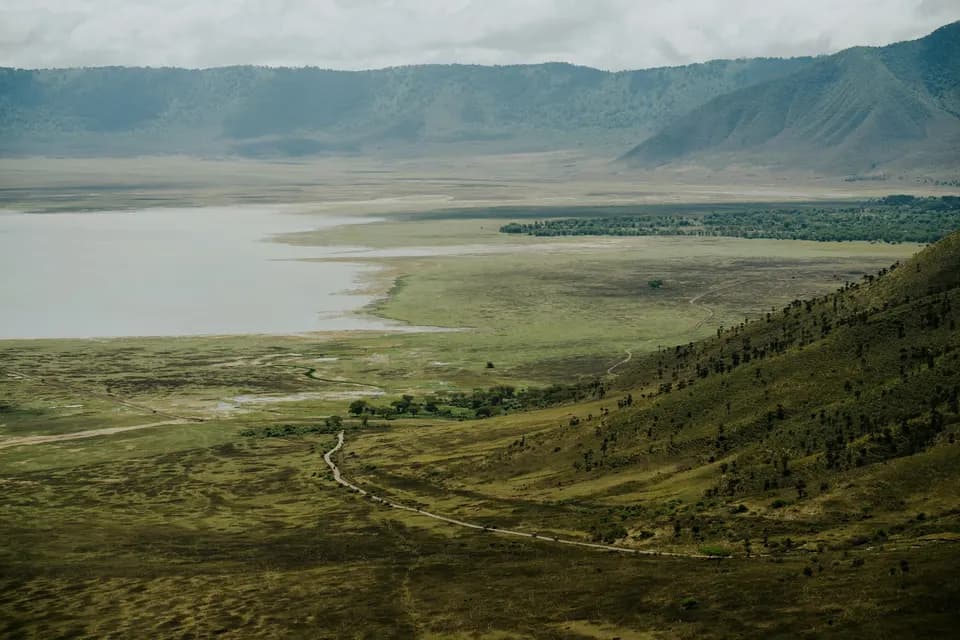
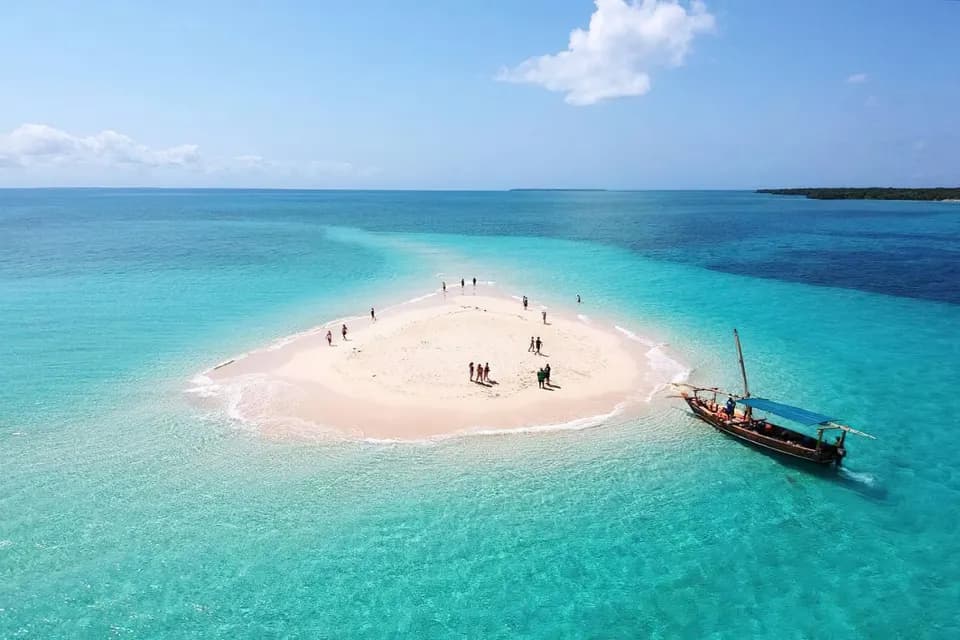
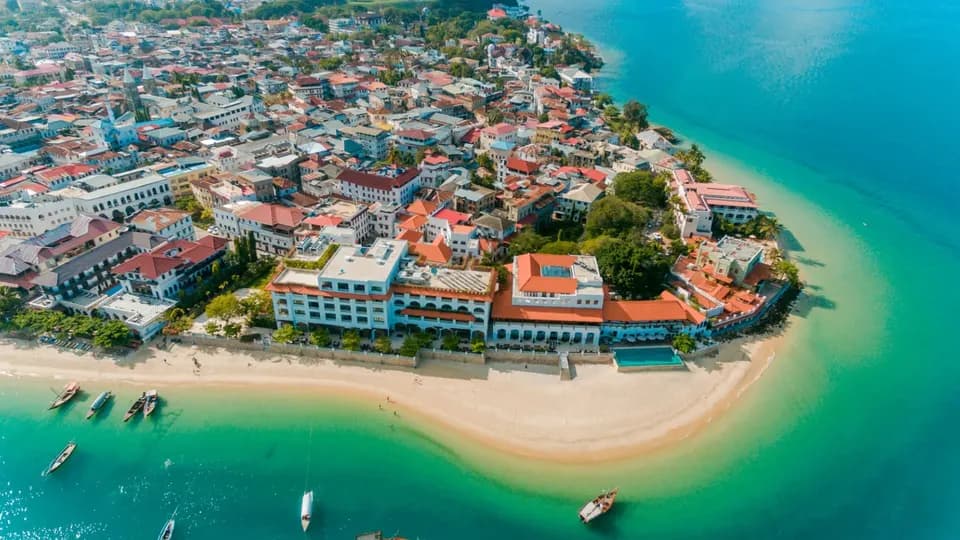
Because the migration moves, where you stay matters. Mobile tented camps relocate with the herds, while permanent lodges and camps offer more facilities and year-round resident wildlife. We'll pick the right area and style for your dates, and often combine the Serengeti with the Ngorongoro Crater and a beach finish on Zanzibar.
Calving season
From about January to March, watch newborn wildebeest take their first steps on the southern plains as predators close in.
Mara River crossings
Wait on the riverbanks of the northern Serengeti as the herds gather and plunge across, usually between July and October.
Seronera big cats
Search the central Serengeti's rivers and kopjes for lions, cheetahs and leopards lounging in sausage trees.
Balloon safari at dawn
Drift over the plains at sunrise, then land for a celebratory breakfast in the bush.
Mobile tented camps
Stay close to the herds in seasonal camps that move with the migration, pairing canvas walls with real comfort.
Granite kopjes
Explore rocky outcrops such as the Moru Kopjes, islands in a sea of grass where lions rest and Maasai rock paintings survive.
Best months
There's no bad time for the Serengeti, only different areas at their best. The dry season, from late June to October, brings excellent game viewing across the park and the Mara River crossings in the north. January and February are the calving months in the south, with superb predator action and fewer vehicles.
The long rains, usually from late March to May, bring green landscapes, fewer visitors and lower rates, although some camps close and roads can turn muddy. The short rains of November are typically light, and the herds begin moving south again.
Most visitors arrive via Kilimanjaro International Airport (JRO) and overnight in or near Arusha, the gateway to northern Tanzania. From there you can fly: scheduled light-aircraft flights connect Arusha with airstrips across the Serengeti, including Seronera in the center, Kogatende in the north and Ndutu in the south, typically taking one to two hours depending on stops.
Alternatively, a road safari from Arusha takes most of a day, usually via Tarangire, Lake Manyara or the Ngorongoro highlands, and becomes part of the adventure. Many travelers drive in and fly out. Luggage on light aircraft is typically limited to about 15 kilograms (33 pounds) in soft bags.
Use our featured journeys as inspiration. We'll tailor the dates, hotels, activities, pace and budget around you.
10 daysWildlife & Beach Escape
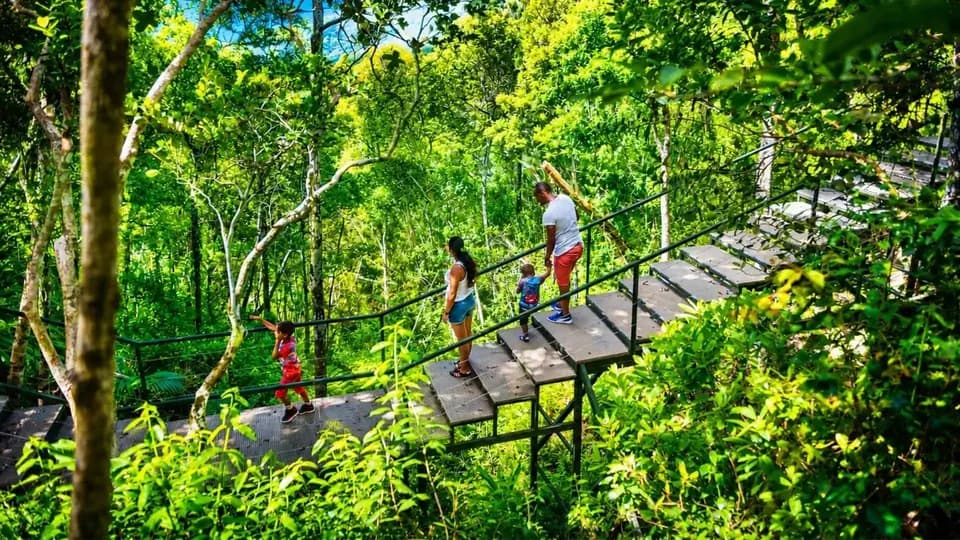
A family trip to Africa can be the adventure your kids talk about for years. Here's how to choose the right age, destinations and lodges, why a private vehicle changes everything, and how to balance safari days with beach time.
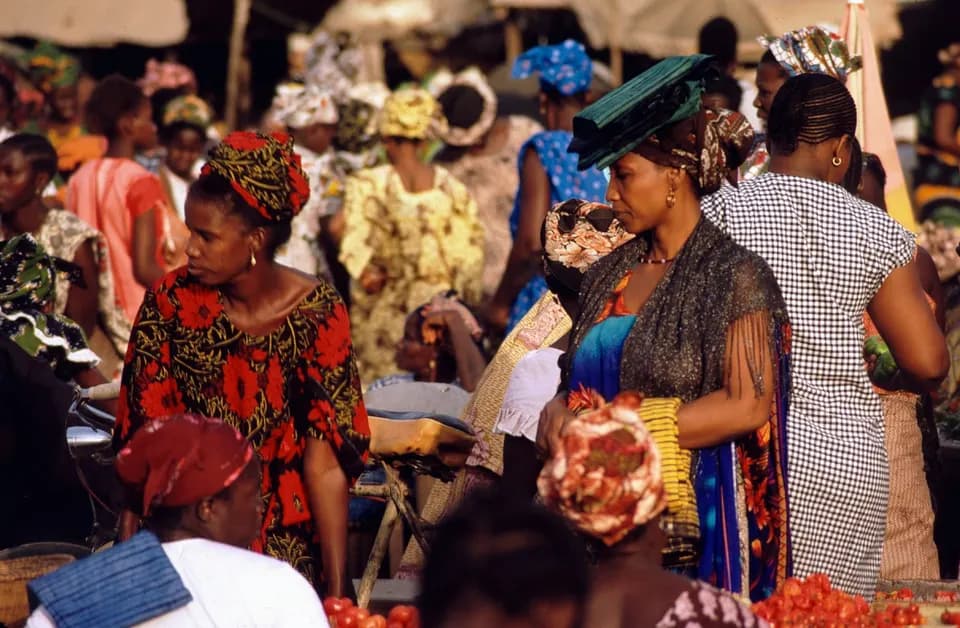
Travel done well supports wildlife, conservation and local livelihoods. This practical guide covers choosing lodges and guides, ethical wildlife encounters, respectful community visits, shopping, plastic, flights and tipping.
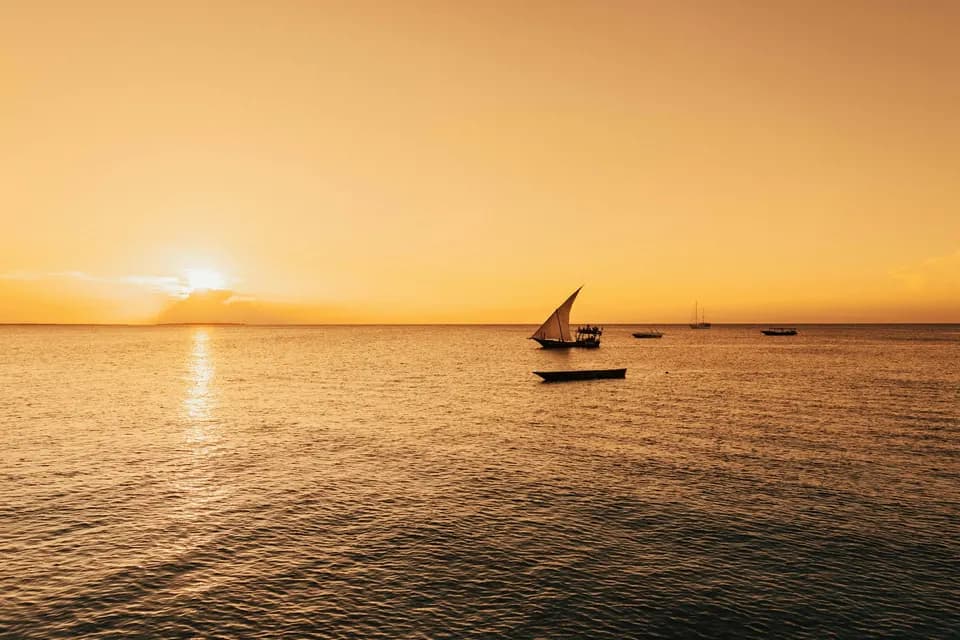
All three islands have beautiful beaches, but they feel very different. We compare Zanzibar, Mauritius and the Seychelles on beaches, culture, weather, budget and how easily each pairs with a safari.
Tell us how you like to travel and we’ll shape an itinerary — the pace, the places, the stays — around you. No payment to start planning.