 10 days
Serengeti + Zanzibar
Wildlife & Beach Escape
- Paced for a first safari
- Best Jan–Feb, Jun–Oct
From$6,900approx. ≈ £5,200approx. ≈ CA$9,450approx. ≈ A$10,500approx. ≈ €5,950per person sharing
Tanzania
A wildlife-filled volcanic caldera
The Ngorongoro Crater is a collapsed volcano whose grassy floor supports lions, elephants, buffalo and rare black rhino. Part of a UNESCO-listed conservation area shared with Maasai communities, it's an essential stop on Tanzania's northern circuit.
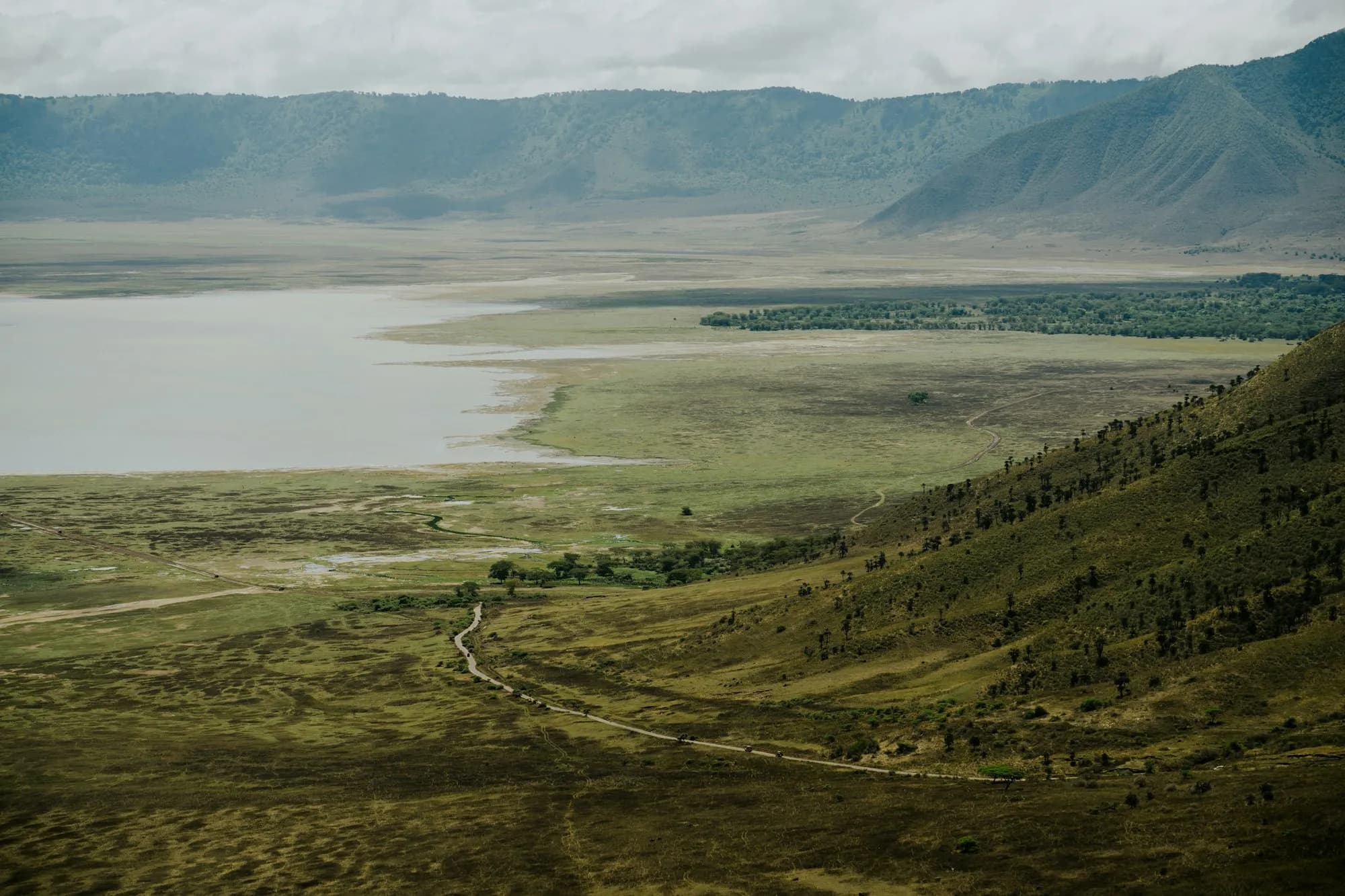
Standing on the rim of the Ngorongoro Crater, some 600 meters (2,000 feet) above its floor, you look down on a self-contained world: open grassland, a shallow soda lake, swamps and a small forest of yellow fever trees, all enclosed by steep, forested walls. Two to three million years ago, a massive volcano collapsed in on itself here, leaving a caldera roughly 20 kilometers (12 miles) across that is often described as the largest unbroken, unflooded caldera in the world.
The crater floor supports wildlife year-round, including lion, spotted hyena, elephant, buffalo, zebra, wildebeest and hippo, and it is one of the best places in East Africa to see the critically endangered black rhino. Flamingos often gather on Lake Magadi, the crater's soda lake. Because the animals are accustomed to vehicles, sightings are often close, and a single morning can produce remarkable variety.
The crater sits within the Ngorongoro Conservation Area, a UNESCO World Heritage Site where Maasai pastoralists graze their cattle alongside wildlife. The wider area includes Olduvai Gorge, one of the most important sites in the study of human origins; the Empakaai Crater, with its flamingo-fringed lake; and the Ndutu plains, where the migration herds calve early in the year. Guided walks on the highlands, accompanied by an armed ranger, offer a completely different perspective from the vehicle-based crater drive.
Time on the crater floor is regulated, and the number of vehicles can be high in peak season, so we plan an early descent to enjoy the floor before it gets busy and pack a picnic lunch by one of the hippo pools. Staying on the rim lets you start early and watch the mist lift off the caldera, while the green Karatu highlands, a short drive from the gate, offer farmhouse-style lodges among coffee estates.
Descent at dawn
Drive down the crater wall early to enjoy the floor at its quietest as the morning mist lifts.
Black rhino
Scan the grasslands for the critically endangered black rhino in one of its East African strongholds.
Lake Magadi flamingos
Watch flamingos gather on the crater's soda lake, a flash of pink against the green grassland.
Olduvai Gorge
Visit the gorge where fossil discoveries reshaped our understanding of human origins, with a small museum overlooking it.
Karatu highlands
Stay among coffee farms and rolling green hills in the Karatu highlands, a short drive from the crater gate.
Empakaai Crater
Hike down through montane forest with a ranger to a flamingo-fringed crater lake, far from other visitors.
Best months
Wildlife lives on the crater floor all year, so Ngorongoro is rewarding in every season. The dry months, June to October, offer easy game viewing but more vehicles, so an early start helps.
From about November to May the crater is greener and often quieter, and January and February combine beautifully with the calving season on the nearby Ndutu plains. The long rains, typically March to May, can make the access roads slippery. The rim sits above 2,200 meters (7,200 feet), so mornings and evenings are chilly year-round; bring a warm jacket.
The crater is typically three to four hours by road from Arusha, on a paved highway that climbs past Mto wa Mbu and Karatu to the conservation area's Lodoare Gate, followed by a winding drive up to the rim. Most visitors combine it with Tarangire, Lake Manyara and the Serengeti on a road safari.
If you'd rather fly, the nearest airstrip is at Lake Manyara, roughly an hour and a half from the rim by road, with scheduled light-aircraft flights from Arusha and the Serengeti. Kilimanjaro International Airport (JRO), about an hour's drive east of Arusha, is the main international gateway.
Use our featured journeys as inspiration. We'll tailor the dates, hotels, activities, pace and budget around you.
10 daysWildlife & Beach Escape
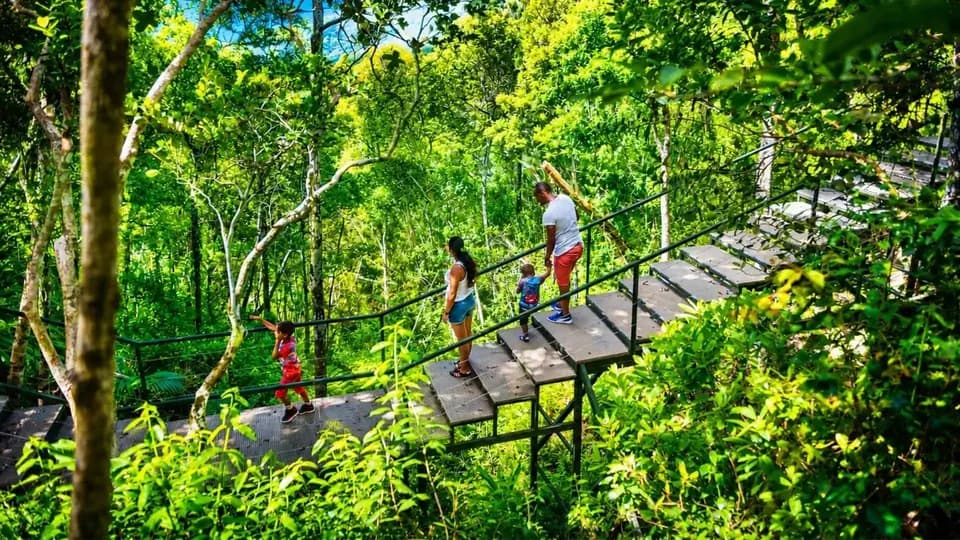
A family trip to Africa can be the adventure your kids talk about for years. Here's how to choose the right age, destinations and lodges, why a private vehicle changes everything, and how to balance safari days with beach time.
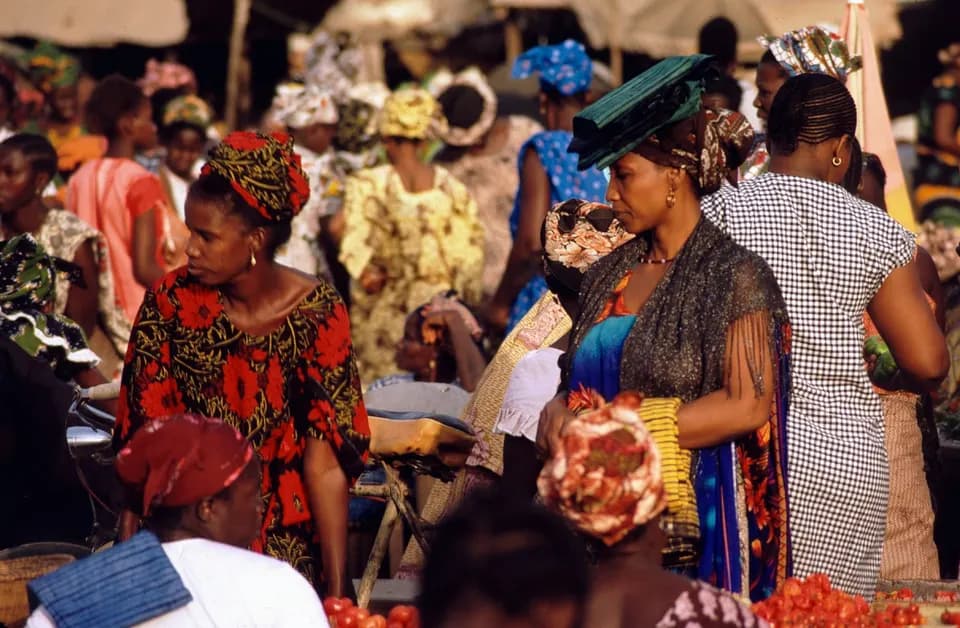
Travel done well supports wildlife, conservation and local livelihoods. This practical guide covers choosing lodges and guides, ethical wildlife encounters, respectful community visits, shopping, plastic, flights and tipping.
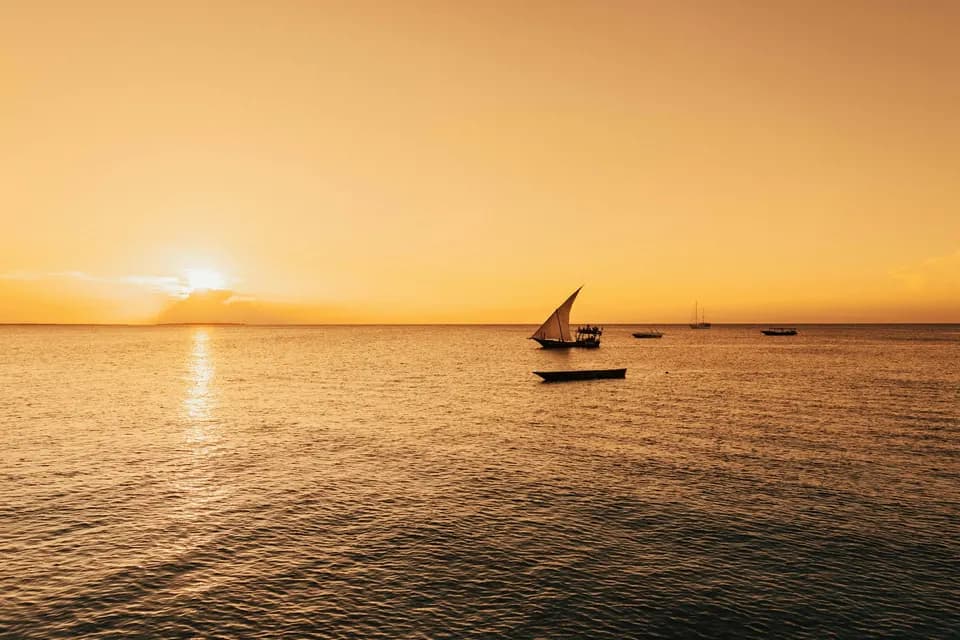
All three islands have beautiful beaches, but they feel very different. We compare Zanzibar, Mauritius and the Seychelles on beaches, culture, weather, budget and how easily each pairs with a safari.
Tell us how you like to travel and we’ll shape an itinerary — the pace, the places, the stays — around you. No payment to start planning.