 10 days
Serengeti + Zanzibar
Wildlife & Beach Escape
- Paced for a first safari
- Best Jan–Feb, Jun–Oct
From$6,900approx. ≈ £5,200approx. ≈ CA$9,450approx. ≈ A$10,500approx. ≈ €5,950per person sharing
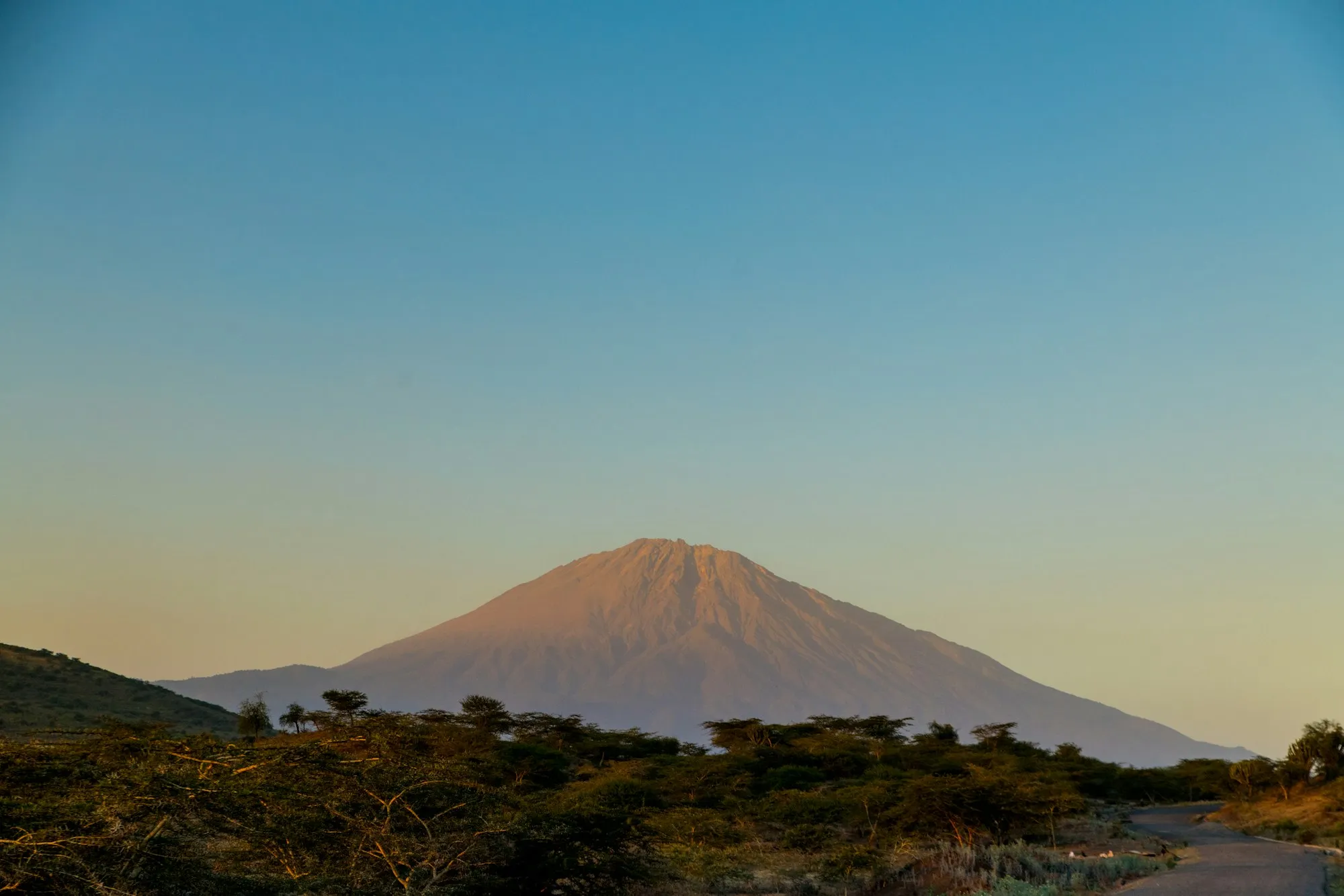
Arusha, at the foot of Mount Meru, is the starting point for safaris to the Serengeti, Ngorongoro and Tarangire. Coffee farms, a lively market, a national park with canoeing and walking safaris, and relaxed garden lodges make it worth a night or two.
Set at around 1,400 meters (4,600 feet) on the southern slopes of Mount Meru, Arusha is northern Tanzania's busy, friendly hub and the traditional starting point for safaris on the northern circuit. It's also home to the headquarters of the East African Community and the African Court on Human and Peoples' Rights, which gives the city a cosmopolitan edge.
Less than an hour from the city center, this small, underrated park stretches from the Momella Lakes to the forested slopes and crater of Mount Meru. It's one of the few parks on the northern circuit where you can walk among giraffes and buffalo with an armed ranger or paddle a canoe on the lakes. Black-and-white colobus monkeys leap through the forest, and flamingos often gather on the alkaline lakes.
Climbing Meru, Tanzania's second-highest mountain, over three or four days is a rewarding trek in its own right and excellent acclimatization for Kilimanjaro.
The slopes around Arusha are dotted with coffee farms, where you can follow the journey from bean to cup and taste the result. In the city, the central market is a lively introduction to Tanzanian daily life, while craft markets and galleries sell Tingatinga paintings, Makonde carvings and Maasai beadwork. Community-run cultural tourism programs in nearby villages offer guided walks, farm visits and homestays, and Lake Duluti, a forest-fringed crater lake near Tengeru, is lovely for a gentle walk or paddle.
Many travelers stay outside the busy center, in garden lodges and coffee estates on the city's outskirts, especially toward Usa River, which are calmer and closer to Kilimanjaro International Airport.
Many international flights reach Kilimanjaro International Airport in the evening, so we usually plan a night in Arusha before your safari begins, and sometimes another at the end. Our Serengeti + Zanzibar journey starts here.
Walking safari in Arusha National Park
Walk among giraffes and buffalo with an armed ranger, then canoe on the Momella Lakes.
Coffee farm tour
Follow coffee from bush to cup on the slopes of Mount Meru and taste a fresh roast.
Mount Meru
Climb Tanzania's second-highest mountain on a three- to four-day trek, or hike the forest trails on its lower slopes.
Lake Duluti
Walk or paddle around a peaceful, forest-fringed crater lake just outside the city.
Markets and crafts
Browse the central market and craft stalls for Tingatinga paintings, wood carvings and beadwork.
Cultural village visits
Join community-run walks and farm visits in the villages on Meru's slopes.
Arusha's food is hearty and unpretentious. Try nyama choma (grilled meat) with ugali or rice, mishkaki skewers from street grills and chipsi mayai, a much-loved omelet made with French fries. On the mountain slopes, bananas and plantains are a staple, and a plantain and meat stew is a local comfort food.
Fresh coffee from the surrounding farms is excellent, and the city has a growing number of cafés, garden restaurants and international options. Many lodges serve dinner in their gardens, often with vegetables grown on site.
Best months
Arusha's altitude gives it a pleasant climate year-round, with warm days and cool evenings. June to October is dry and cooler, coinciding with the peak safari season, and January and February are warm and mostly dry.
The long rains usually fall from March to May and the short rains in November and December, often as afternoon showers. Mount Meru is usually clearest on crisp mornings in the dry season, and evenings can be cool enough for a light jacket. Arusha is a comfortable stopover in any season.
Kilimanjaro International Airport (JRO) is about 45 minutes to an hour east of Arusha, and Arusha Airport (ARK), on the western edge of the city, handles light-aircraft flights to the parks and Zanzibar.
Traffic can be slow in the center, so your safari driver-guide or a private transfer is the easiest way to get around. Short taxi rides are inexpensive, but motorcycle taxis are best avoided. From Arusha, road transfers to Tarangire take about two hours and to the Ngorongoro Crater around three to four hours.
Use our featured journeys as inspiration. We'll tailor the dates, hotels, activities, pace and budget around you.
10 daysWildlife & Beach Escape
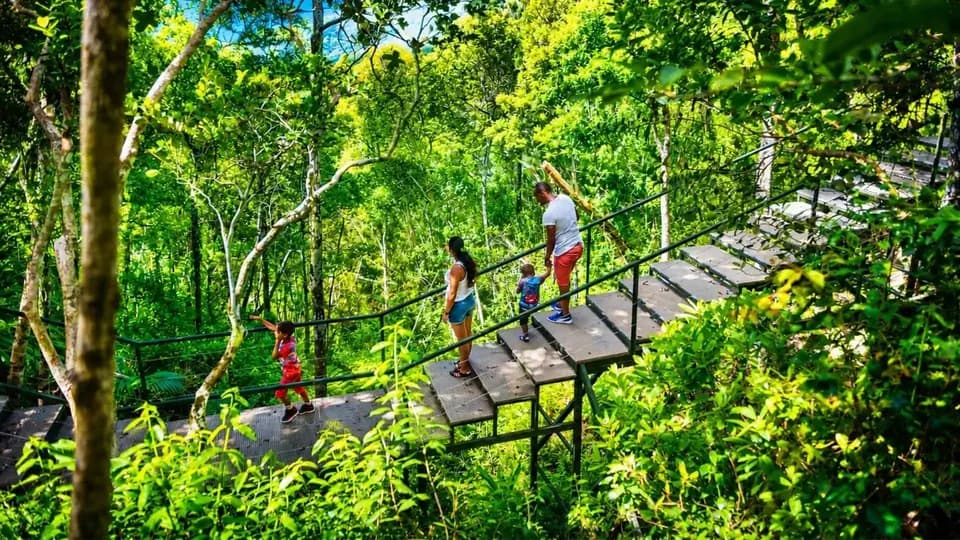
A family trip to Africa can be the adventure your kids talk about for years. Here's how to choose the right age, destinations and lodges, why a private vehicle changes everything, and how to balance safari days with beach time.
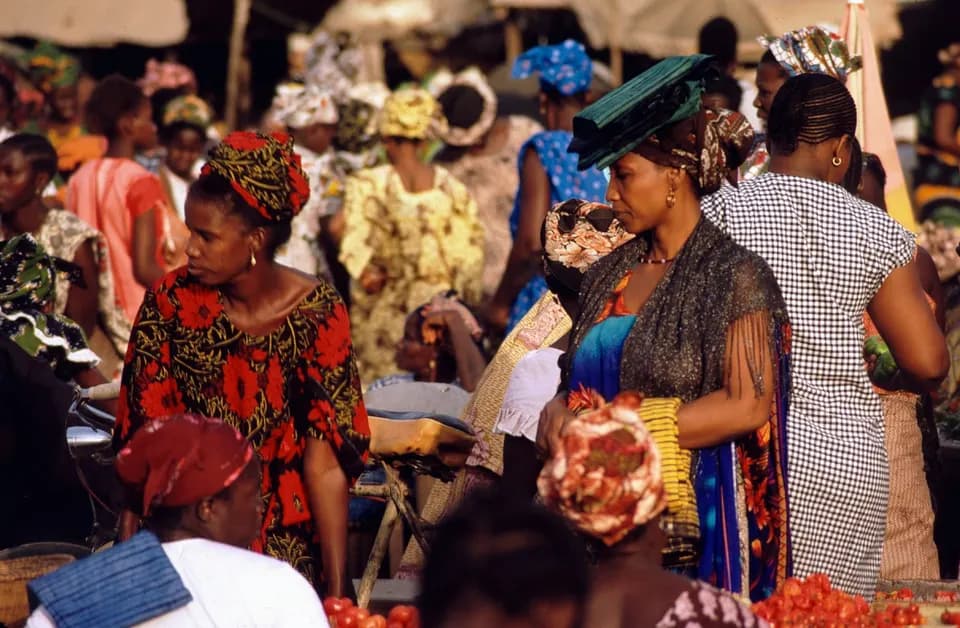
Travel done well supports wildlife, conservation and local livelihoods. This practical guide covers choosing lodges and guides, ethical wildlife encounters, respectful community visits, shopping, plastic, flights and tipping.
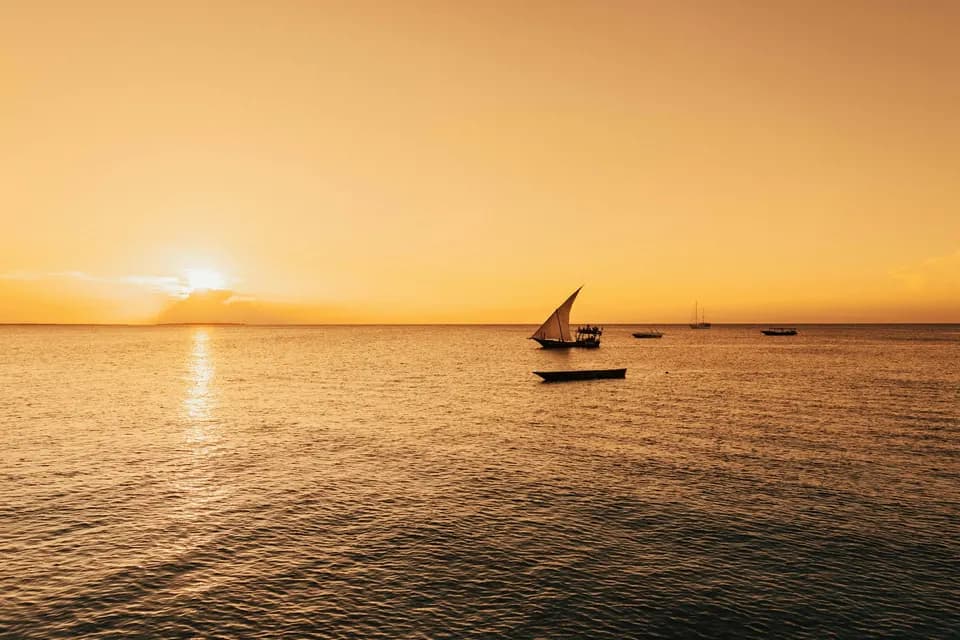
All three islands have beautiful beaches, but they feel very different. We compare Zanzibar, Mauritius and the Seychelles on beaches, culture, weather, budget and how easily each pairs with a safari.
Tell us how you like to travel and we’ll shape an itinerary — the pace, the places, the stays — around you. No payment to start planning.