 10 days
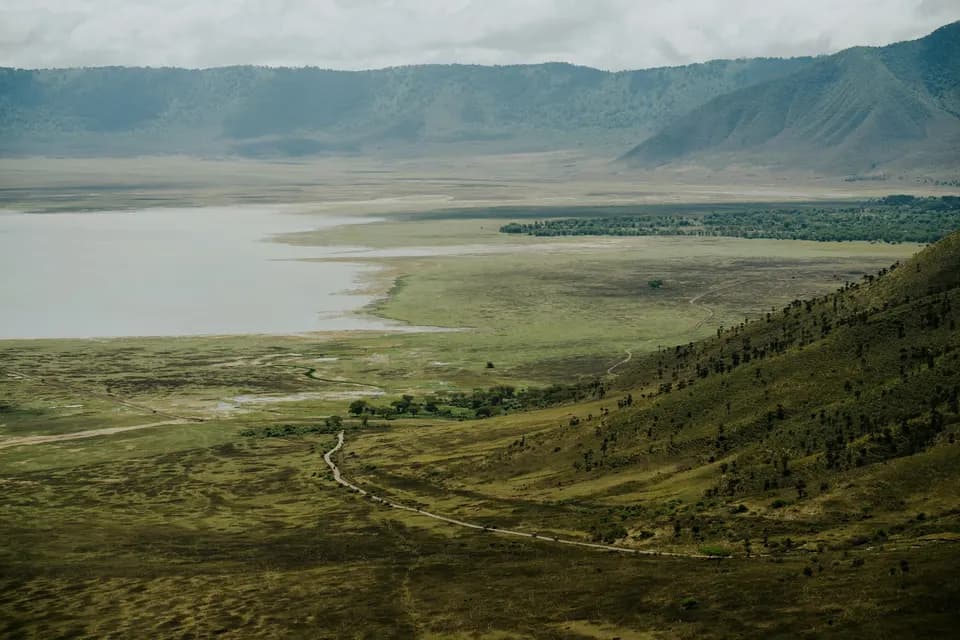
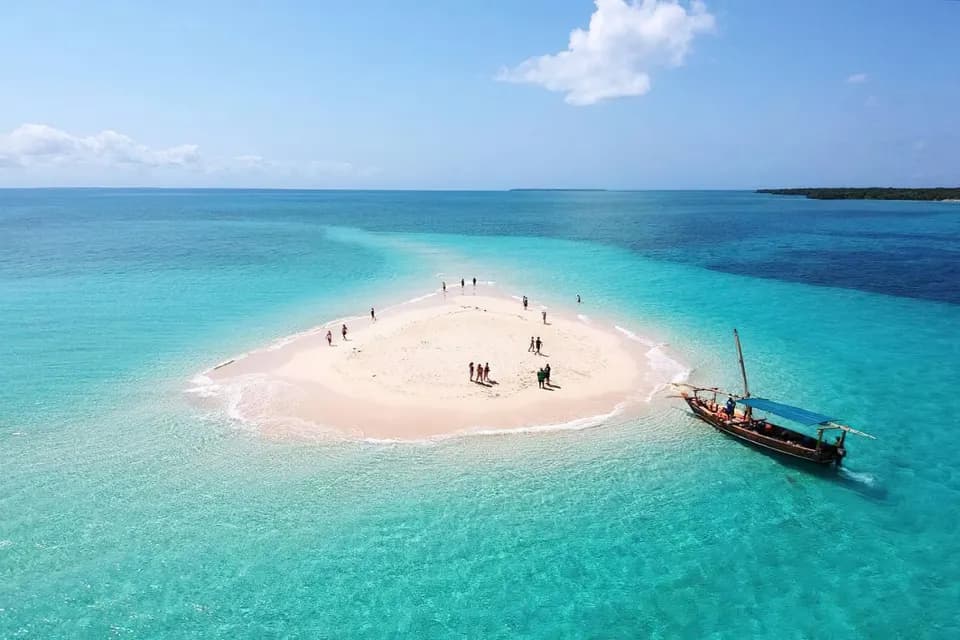
Serengeti + Zanzibar
Wildlife & Beach Escape
- Paced for a first safari
- Best Jan–Feb, Jun–Oct
From$6,900approx. ≈ £5,200approx. ≈ CA$9,450approx. ≈ A$10,500approx. ≈ €5,950per person sharing
Tanzania
Carved doors, spice markets and Swahili history
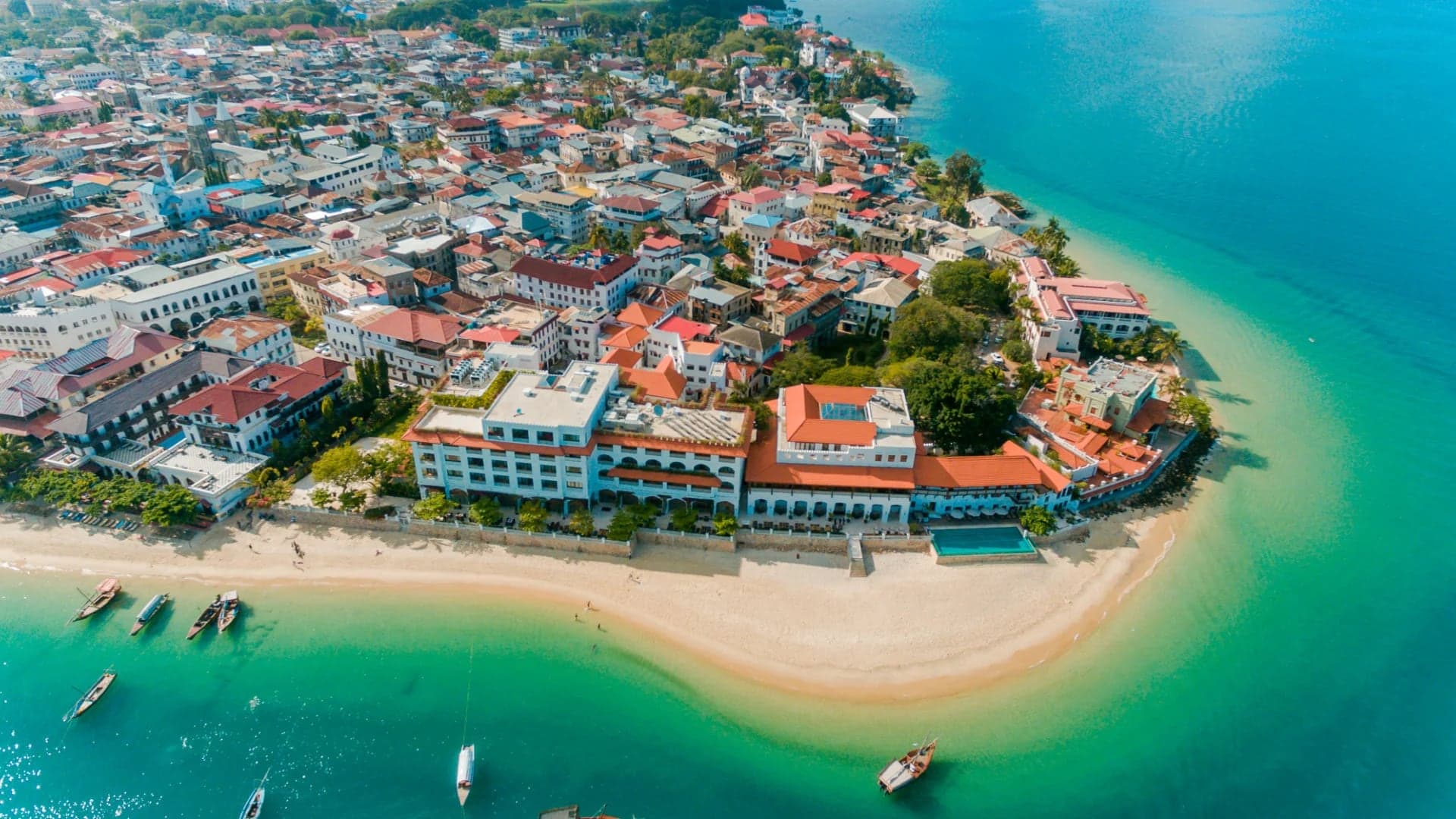
Stone Town, Zanzibar's historic heart, is a UNESCO-listed maze of coral-stone houses, carved doors, markets and mosques shaped by African, Arab, Indian and European influences. Stay a night for rooftop sunsets and the waterfront food market.
Stone Town is the old quarter of Zanzibar City, on the west coast of Unguja island, and one of the finest surviving examples of a Swahili trading town. Its tall houses, built from coral stone and lime, line alleys too narrow for cars, and its architecture blends African, Arab, Indian and European influences, the legacy of centuries of Indian Ocean trade. It was inscribed as a UNESCO World Heritage Site in 2000.
Stone Town is famous for its carved wooden doors, some studded with brass, their designs reflecting Indian and Omani traditions. Walking the lanes, you'll pass mosques, Hindu temples, churches and old merchants' houses with carved balconies. Landmarks include the Old Fort, built by the Omanis around 1700, the Palace Museum, which tells the story of the sultans, and Forodhani Gardens on the waterfront.
For much of the 19th century, Zanzibar was the center of the East African slave trade. The Anglican Christ Church Cathedral stands on the site of the town's last open slave market, closed in 1873, and the adjoining memorial and exhibition tell this history with care. A visit here is sobering and essential.
As the sun sets, locals and visitors gather along the waterfront, where Forodhani's food stalls grill seafood and rooftop restaurants fill for sundowners. Darajani Market, busiest in the morning, is the place to see Stone Town's everyday life among stalls of fish, fruit and spices.
We recommend at least one night, and ideally two, in a restored boutique hotel before or after beach time elsewhere on Zanzibar. A local guide brings the history and the hidden corners to life, and a spice farm visit is easy to add on the way to the coast.
Carved doors walking tour
Explore the lanes with a local guide who can explain the symbolism of Stone Town's famous doors.
Former slave market and memorial
Visit the cathedral built on the site of the last slave market and the exhibition that tells its story.
Forodhani food market
Graze on grilled seafood, Zanzibar pizza and fresh sugarcane juice at the waterfront stalls after dark.
Darajani Market
Take in the island's everyday life among stalls of fish, tropical fruit and spices.
Rooftop sunset
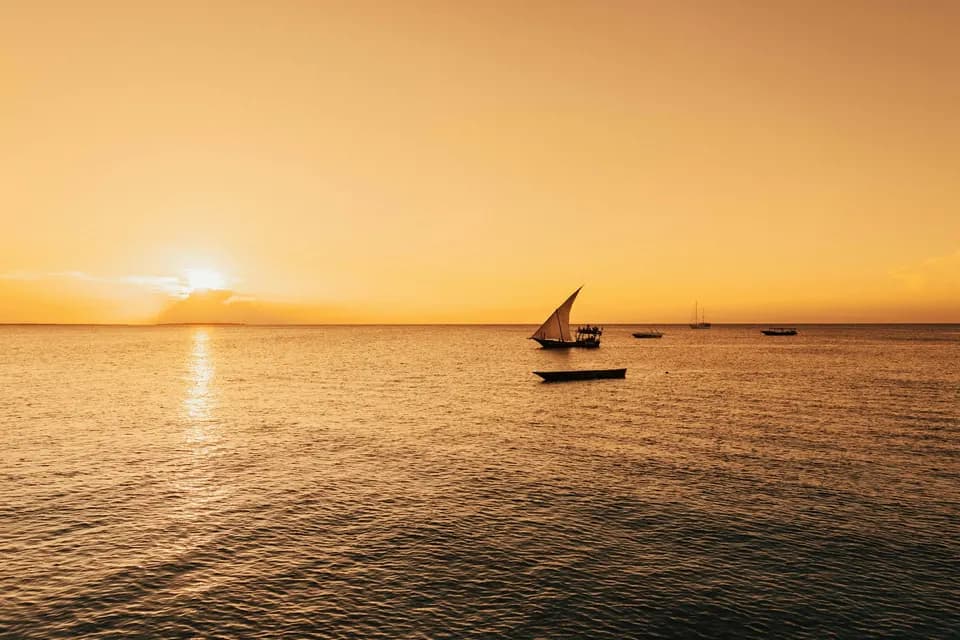
Watch dhows glide across the harbor from a rooftop as the call to prayer echoes over the town.
Palace Museum and Old Fort
Learn about the sultans' era and the town's trading past in its most historic buildings.
Stone Town is the best place on Zanzibar to explore Swahili cooking, fragrant with cloves, cinnamon, cardamom and coconut. At the Forodhani night market, try grilled seafood skewers, sugarcane juice pressed with ginger and lime, and Zanzibar pizza, a stuffed, griddle-fried pancake. Urojo, also called Zanzibar mix, is a tangy soup topped with fritters and crunchy extras.
In restaurants, look for biryani and pilau, octopus curry and fish in coconut sauce. Spiced coffee is poured from brass pots in the alleys. In this largely Muslim town many restaurants don't serve alcohol, though hotels and some rooftop bars do.
Best months
Stone Town is warm and humid year-round. The most pleasant months are June to October, when it's drier and slightly cooler, and late December to February, when it's hot and mostly dry.
The long rains, typically from late March to May, bring heavy showers, although mornings are often clear. During Ramadan the town is quieter by day, many restaurants stay closed until sunset and the evenings are lively, so plan meals accordingly and dress especially modestly. Whatever the season, sea breezes usually make evenings on the waterfront pleasant.
Abeid Amani Karume International Airport (ZNZ) is about 15 minutes by car from Stone Town, and the ferry terminal for Dar es Salaam sits right on the edge of the old town.
Within Stone Town the lanes are too narrow for cars, so walking is the only way to explore, and porters carry bags to hotels. Getting a little lost is part of the fun, but a guide is well worth it on your first visit. Taxis and private drivers are the best way to reach beaches and spice farms elsewhere on the island.
Use our featured journeys as inspiration. We'll tailor the dates, hotels, activities, pace and budget around you.
10 daysWildlife & Beach Escape
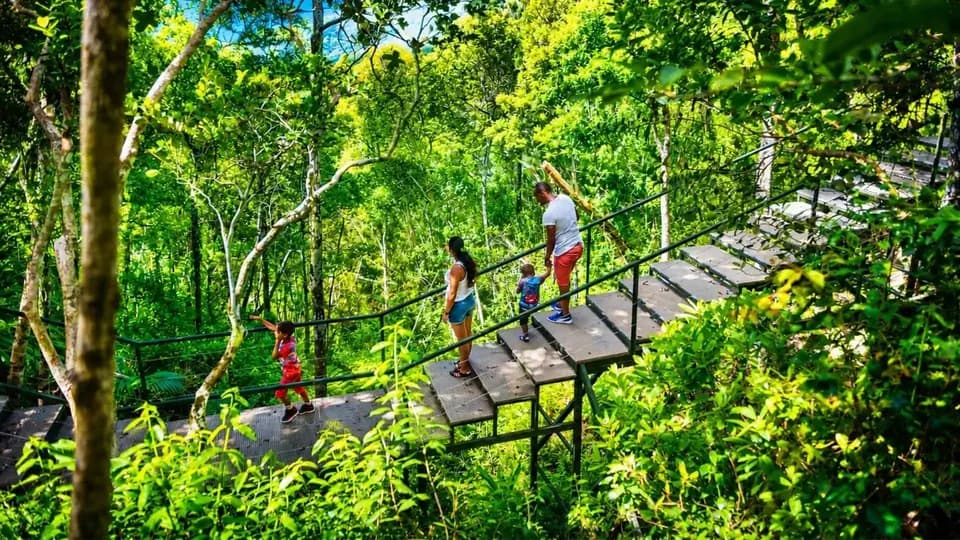
A family trip to Africa can be the adventure your kids talk about for years. Here's how to choose the right age, destinations and lodges, why a private vehicle changes everything, and how to balance safari days with beach time.

Travel done well supports wildlife, conservation and local livelihoods. This practical guide covers choosing lodges and guides, ethical wildlife encounters, respectful community visits, shopping, plastic, flights and tipping.
All three islands have beautiful beaches, but they feel very different. We compare Zanzibar, Mauritius and the Seychelles on beaches, culture, weather, budget and how easily each pairs with a safari.
Tell us how you like to travel and we’ll shape an itinerary — the pace, the places, the stays — around you. No payment to start planning.