 10 days
Serengeti + Zanzibar
Wildlife & Beach Escape
- Paced for a first safari
- Best Jan–Feb, Jun–Oct
From$6,900approx. ≈ £5,200approx. ≈ CA$9,450approx. ≈ A$10,500approx. ≈ €5,950per person sharing
East Africa
Serengeti safaris, the Ngorongoro Crater and Zanzibar’s beaches
Overview
Tanzania is classic safari country: the Serengeti's great herds, the wildlife-rich Ngorongoro Crater and the snows of Kilimanjaro. Finish on Zanzibar, where Swahili history meets white-sand beaches and the warm Indian Ocean.
For many travelers, Tanzania is the safari they have always imagined. Lions resting on granite kopjes, columns of wildebeest crossing the plains, elephants beneath ancient baobabs: the northern parks deliver scenes that feel familiar from films yet overwhelming in person. Add Africa's highest mountain and an island coast steeped in Swahili culture, and it's easy to see why Tanzania anchors so many first trips to Africa.
Most safaris begin in Arusha, in the shadow of Mount Meru. From there, Tarangire's baobab-studded river valley and the groundwater forest of Lake Manyara lead up to the Ngorongoro Crater, a vast volcanic caldera whose floor supports lion, elephant and buffalo, and offers one of East Africa's better chances of spotting the endangered black rhino.
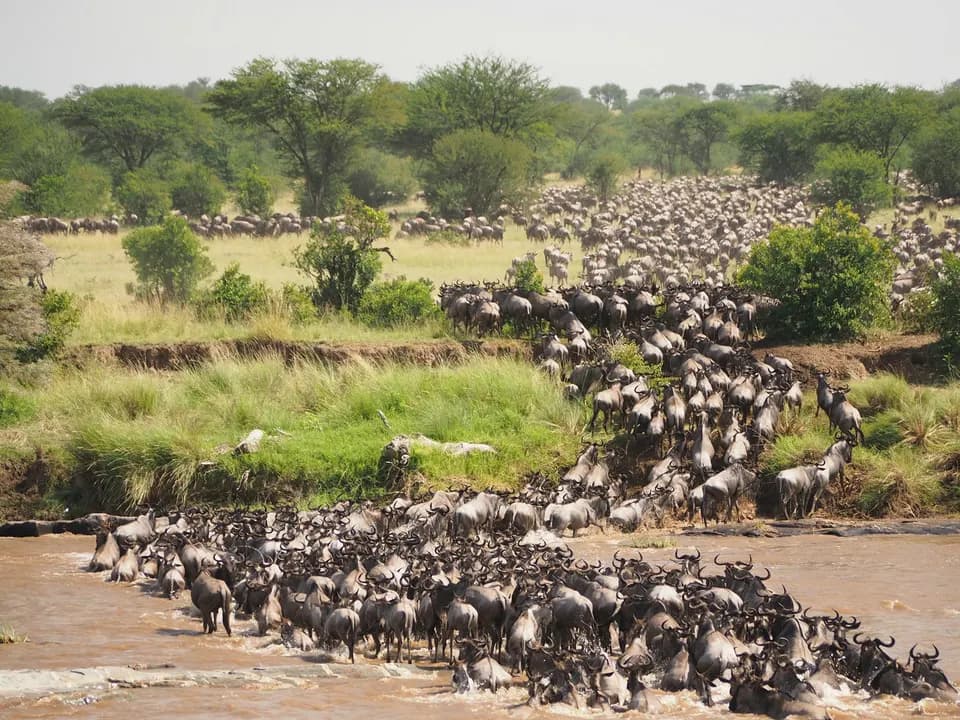
Beyond the crater lies the Serengeti, where the Great Migration of wildebeest and zebra moves in a year-round cycle between Tanzania and Kenya's Maasai Mara.
After the dust of the plains, Zanzibar is the perfect counterpoint: white-sand beaches, dhows under sail and water in every shade of turquoise. Its historic heart, Stone Town, is a UNESCO World Heritage maze of carved doors, markets and rooftop cafés that tells the story of centuries of Indian Ocean trade. Spice farms, reef snorkeling and the red colobus monkeys of Jozani Forest fill out the days.
Tanzania rewards second visits, too. Ruaha and Nyerere National Parks in the south offer walking and boat safaris with far fewer vehicles, while Mahale Mountains and Gombe Stream in the far west are home to wild chimpanzees.
Then there is Kilimanjaro. At 5,895 meters (19,341 feet) it is the highest mountain in Africa, yet it can be climbed without technical mountaineering experience on a well-supported trek, typically six to nine days long.
We time your safari to the seasons and the movement of the herds, balance road transfers and light-aircraft flights for cost and comfort, and choose camps that suit your style, from classic tented camps to lodges with private plunge pools. Our Serengeti + Zanzibar journey is a natural starting point, and we'll tailor the route, pace and budget around you.
Why visit Tanzania
Follow more than a million wildebeest and zebra through the Serengeti, from the calving plains early in the year to the river crossings of the north.
Descend into a vast volcanic caldera for a day among lion, elephant, buffalo, seasonal flamingos and rare black rhino.
Unwind on white sand beside the Indian Ocean, with snorkeling, sunset dhow cruises and spice-scented Swahili cooking.
Wander the lanes of Zanzibar's historic trading town, known for its carved doors, busy markets and rooftop sunsets.
Climb the highest mountain in Africa, or admire it from below on a walk through the coffee farms on its lower slopes.
Explore Ruaha and Nyerere on foot, by boat and by vehicle, far from the busier circuits of the north.
Where to go
Endless plains and the Great Migration
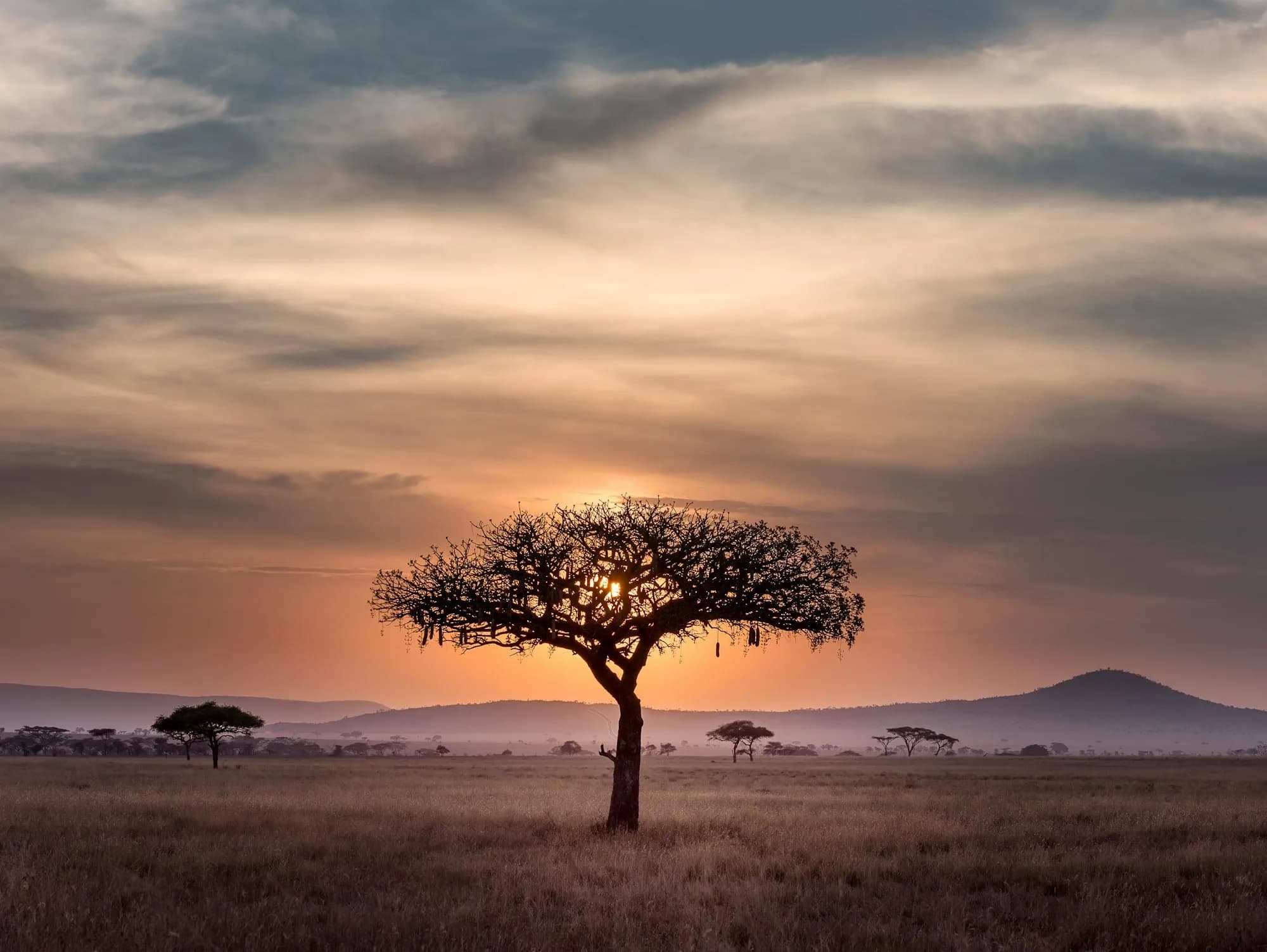
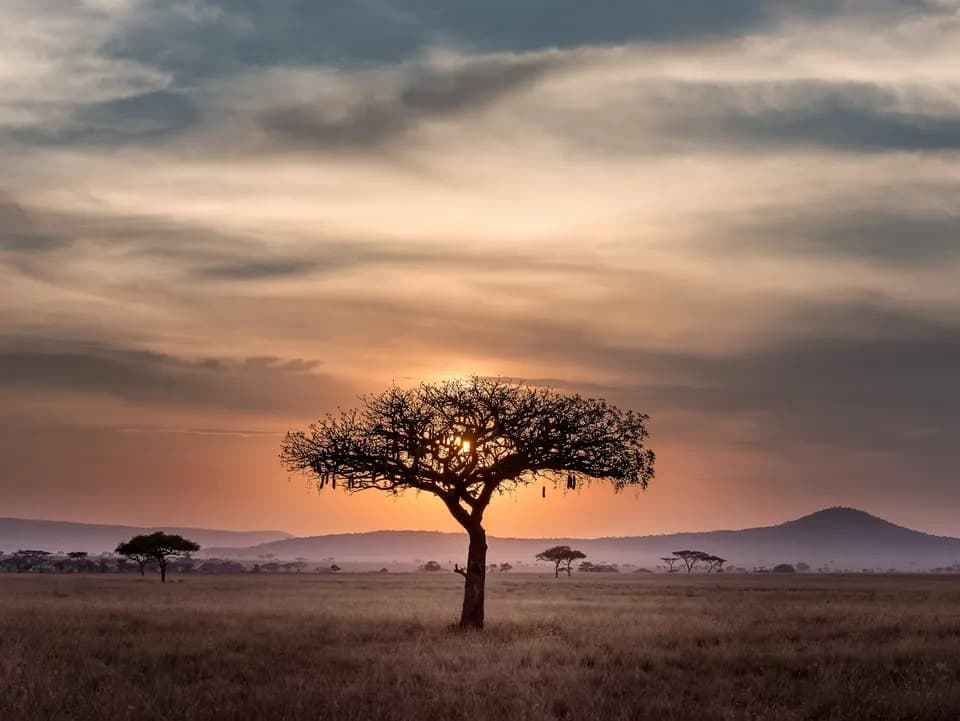
The Serengeti's golden plains host the Great Migration and some of Africa's densest populations of lions, leopards and cheetahs. Where you stay should follow the season, from the southern calving grounds to the Mara River crossings.
Explore Serengeti National Park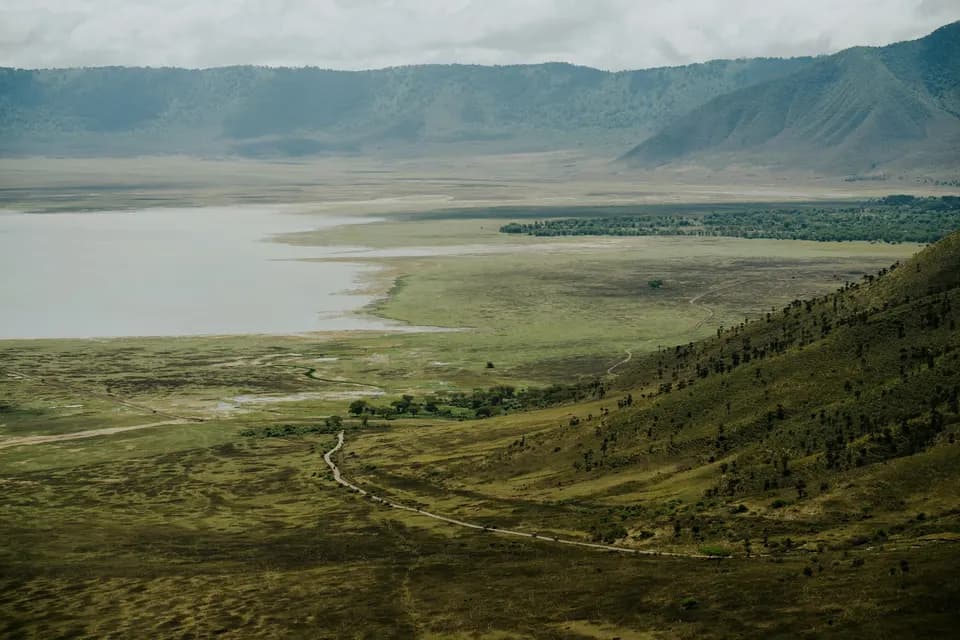
A wildlife-filled volcanic caldera
The Ngorongoro Crater is a collapsed volcano whose grassy floor supports lions, elephants, buffalo and rare black rhino. Part of a UNESCO-listed conservation area shared with Maasai communities, it's an essential stop on Tanzania's northern circuit.
Explore Ngorongoro Crater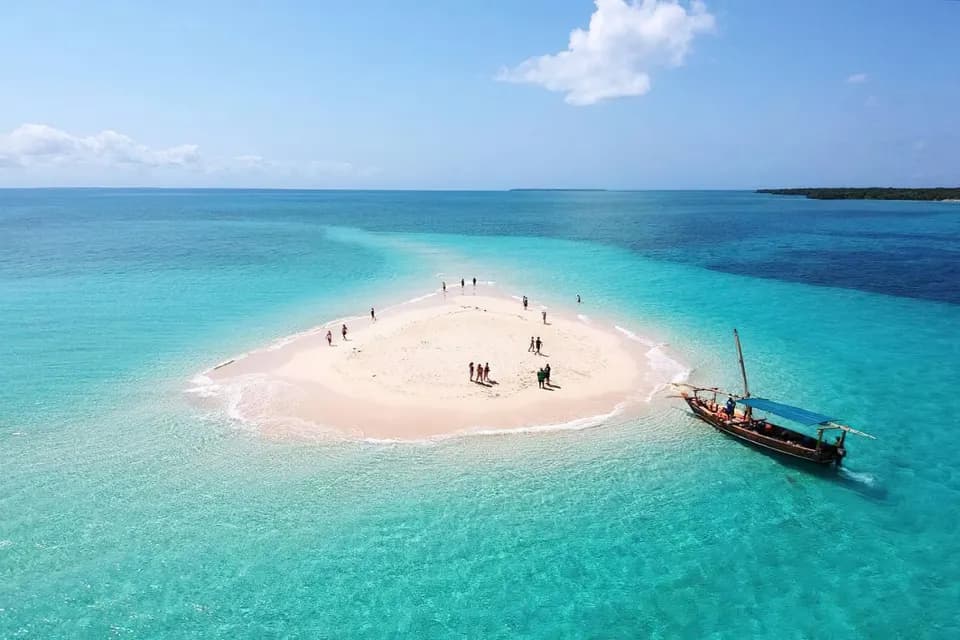
Spice island beaches and Swahili culture
Zanzibar pairs powder-white beaches and turquoise water with centuries of Swahili, Omani and Indian Ocean history. It's the classic way to unwind after a Tanzanian safari, with dhow sailing, reef snorkeling and spice farms.
Explore Zanzibar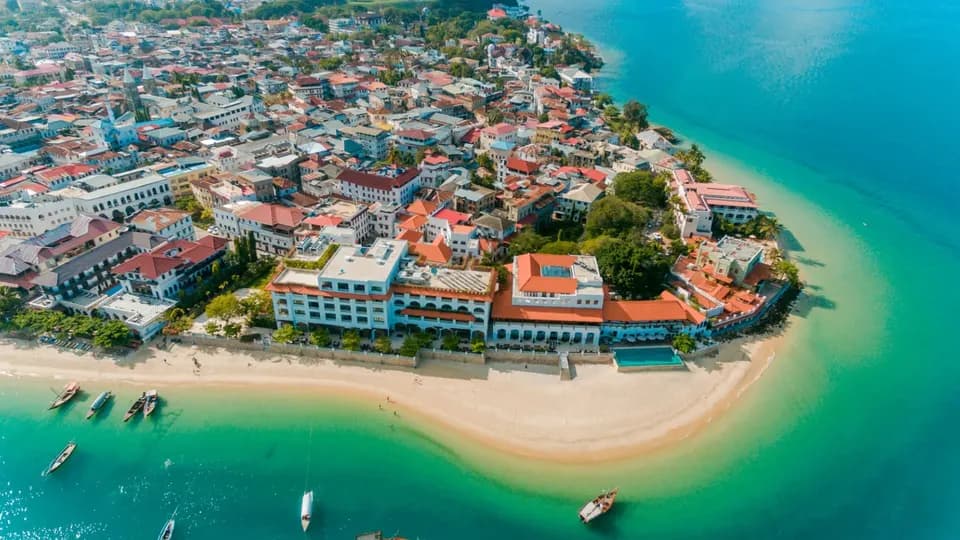
Carved doors, spice markets and Swahili history
Stone Town, Zanzibar's historic heart, is a UNESCO-listed maze of coral-stone houses, carved doors, markets and mosques shaped by African, Arab, Indian and European influences. Stay a night for rooftop sunsets and the waterfront food market.
Explore Stone Town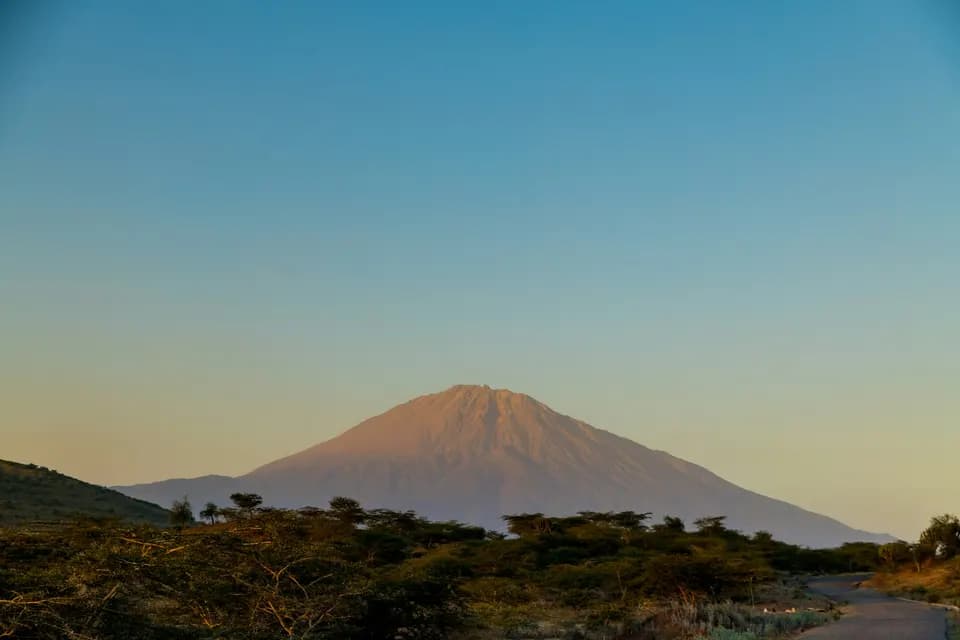
Gateway to the northern safari circuit
Arusha, at the foot of Mount Meru, is the starting point for safaris to the Serengeti, Ngorongoro and Tarangire. Coffee farms, a lively market, a national park with canoeing and walking safaris, and relaxed garden lodges make it worth a night or two.
Explore ArushaFeatured journeys
Use our featured journeys as inspiration. We'll tailor the dates, hotels, activities, pace and budget around you.
10 daysWildlife & Beach Escape
Plan your way
Tell us your dates, interests, travel style and budget. We’ll create an itinerary around you.
Free to start planning · No obligation · Tailored around you
When to go
Best months
Tanzania has two dry seasons, and both are excellent for safari.
The long dry season, from late June to October, brings clear skies, thinner vegetation and animals concentrated around water. It's also when the migration herds typically reach the northern Serengeti and the Mara River. January and February form a shorter dry spell, when the herds usually gather on the southern plains to give birth and predators follow in impressive numbers.
The long rains usually fall from late March through May. Some camps close and roads can turn muddy, but the landscapes are lush and rates are lower. The short rains, typically in November and early December, tend to arrive as afternoon showers and rarely disrupt a trip.
On Zanzibar, June to October and December to February are the most settled beach months. Kilimanjaro climbs are best in the drier windows of January to early March and June to October.
Travel information
Money and tipping. Since 2025, purchases made inside Tanzania, from a bar bill to a souvenir, are generally priced and paid in Tanzanian shillings, while trips arranged before you travel can still be priced in US dollars. Cards are accepted at many lodges and hotels, and you can change money at banks or licensed bureaux. Tipping guides, drivers and camp staff is customary; we'll send current guidelines, including which currency to use.
Dress and etiquette. Neutral colors work best on safari. On Zanzibar and along the coast, where most people are Muslim, cover shoulders and knees away from the beach. Greetings matter, and a warm "jambo" or "habari" goes a long way.
Photography. Always ask before photographing people, including in Maasai communities, and respect a no. Drones need permits and aren't allowed in national parks without them.
Connectivity. Mobile coverage is good in towns and patchy in the parks, and many camps offer Wi-Fi only in their main areas.
Plastic bags. Tanzania restricts single-use plastic bags, so pack reusable ones.
For visas and health, see our entry requirements guidance and official sources.
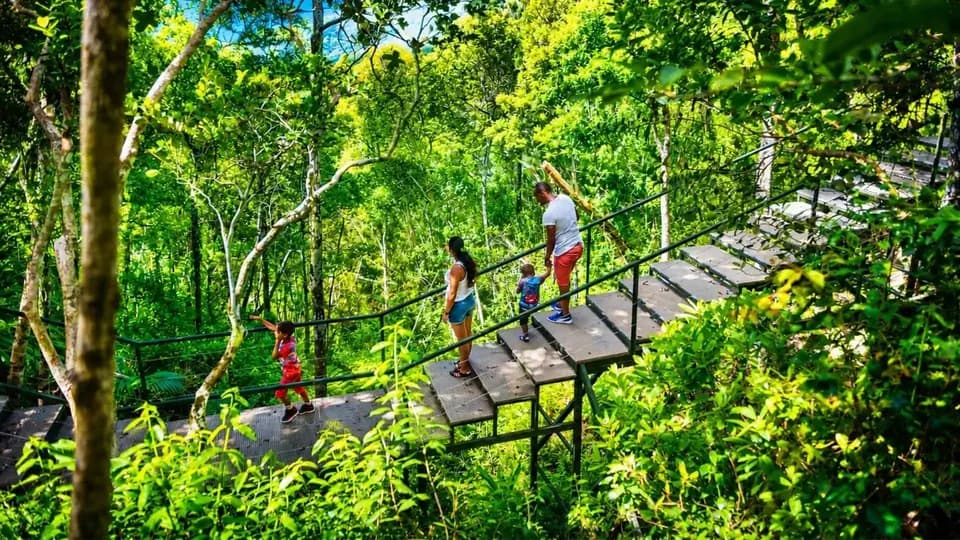
A family trip to Africa can be the adventure your kids talk about for years. Here's how to choose the right age, destinations and lodges, why a private vehicle changes everything, and how to balance safari days with beach time.
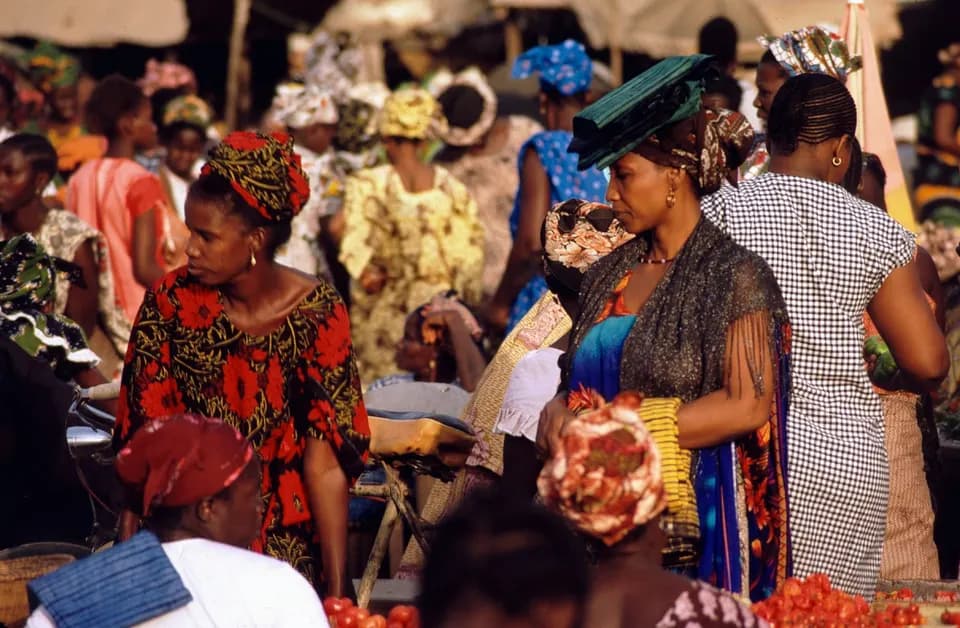
Travel done well supports wildlife, conservation and local livelihoods. This practical guide covers choosing lodges and guides, ethical wildlife encounters, respectful community visits, shopping, plastic, flights and tipping.
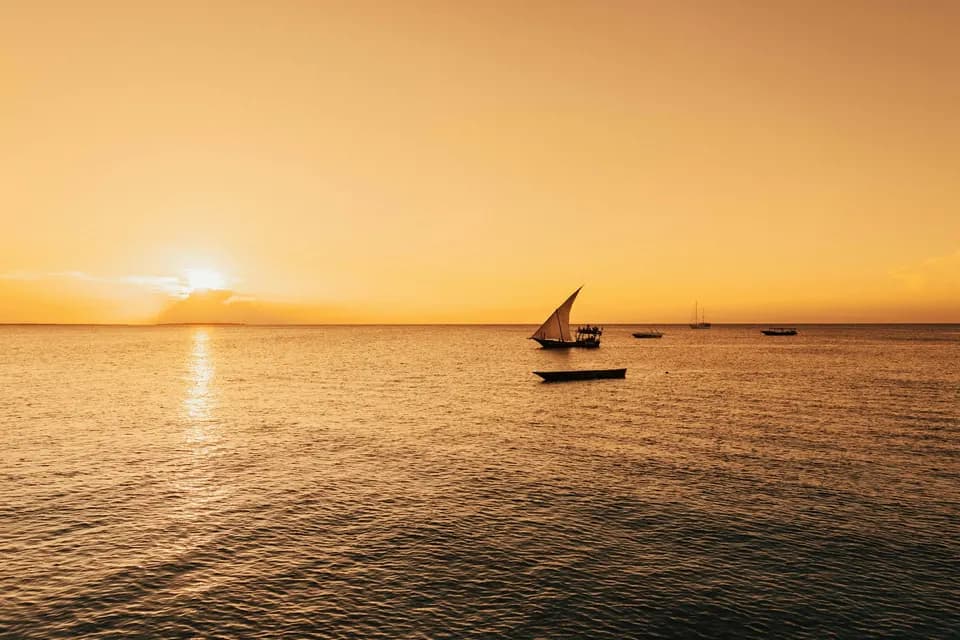
All three islands have beautiful beaches, but they feel very different. We compare Zanzibar, Mauritius and the Seychelles on beaches, culture, weather, budget and how easily each pairs with a safari.
Tell us how you want to travel. We’ll build the itinerary around your dates, interests and budget.