Morocco is close to Europe and easy to reach from North America, yet it feels wonderfully different from the moment you arrive. In a single trip you can wander medieval medinas, sleep in a mountain village, ride a camel into the Sahara and eat some of the best food in Africa. It's an ideal first trip to the continent, as long as you know what to expect.
Where to go on a first trip
Marrakech
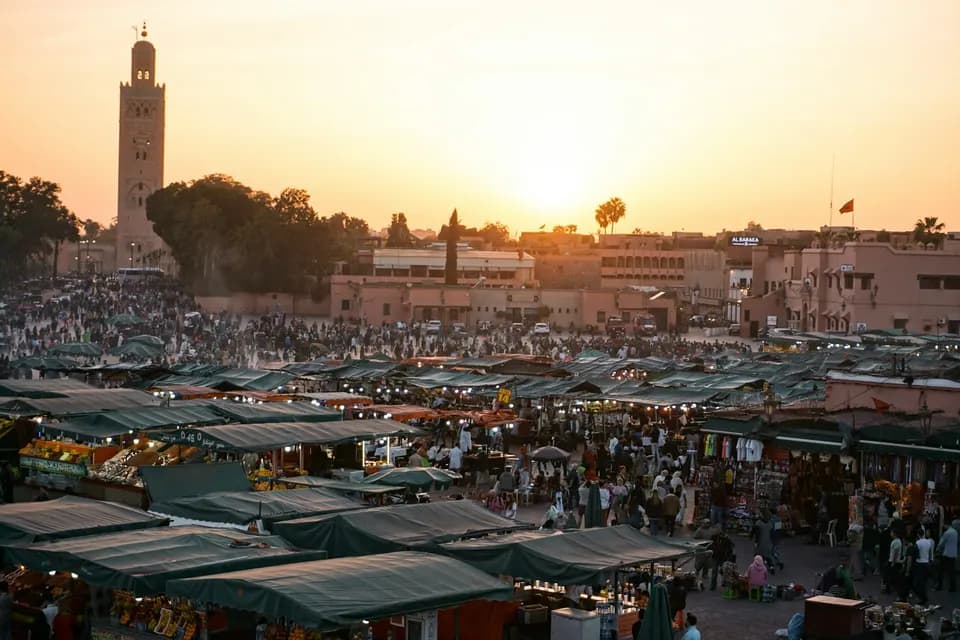
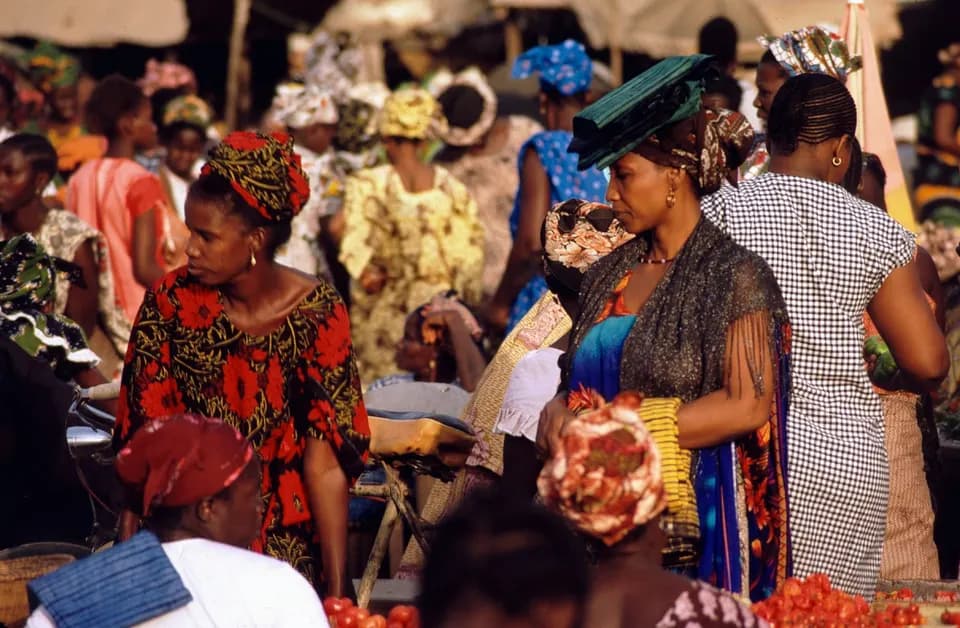
Marrakech is lively, theatrical and a little overwhelming at first. The main square, Jemaa el-Fna, fills with food stalls, musicians and storytellers at dusk, and the souks around it are a maze of leatherworkers, metalworkers, spice sellers and carpet shops. Balance the intensity with palaces, gardens and a calm riad courtyard. Two or three nights is ideal.
The High Atlas
Less than two hours from Marrakech, the High Atlas Mountains offer cool air, terraced valleys and Amazigh (Berber) villages where you can walk between hamlets with a local guide. Heading south, the Tizi n'Tichka pass leads over the mountains to the earthen ksar of Aït Benhaddou and the valleys beyond.
The Sahara at Merzouga
The great dunes of Erg Chebbi near Merzouga are the classic Saharan experience: a camel ride at sunset, dinner under the stars and sunrise from the top of a dune. Desert camps range from simple to genuinely luxurious, with en-suite tents. The catch is distance. Merzouga is a long drive from both Marrakech and Fes, so most trips break the journey with stops in the Dades and Todra gorges.
Fes
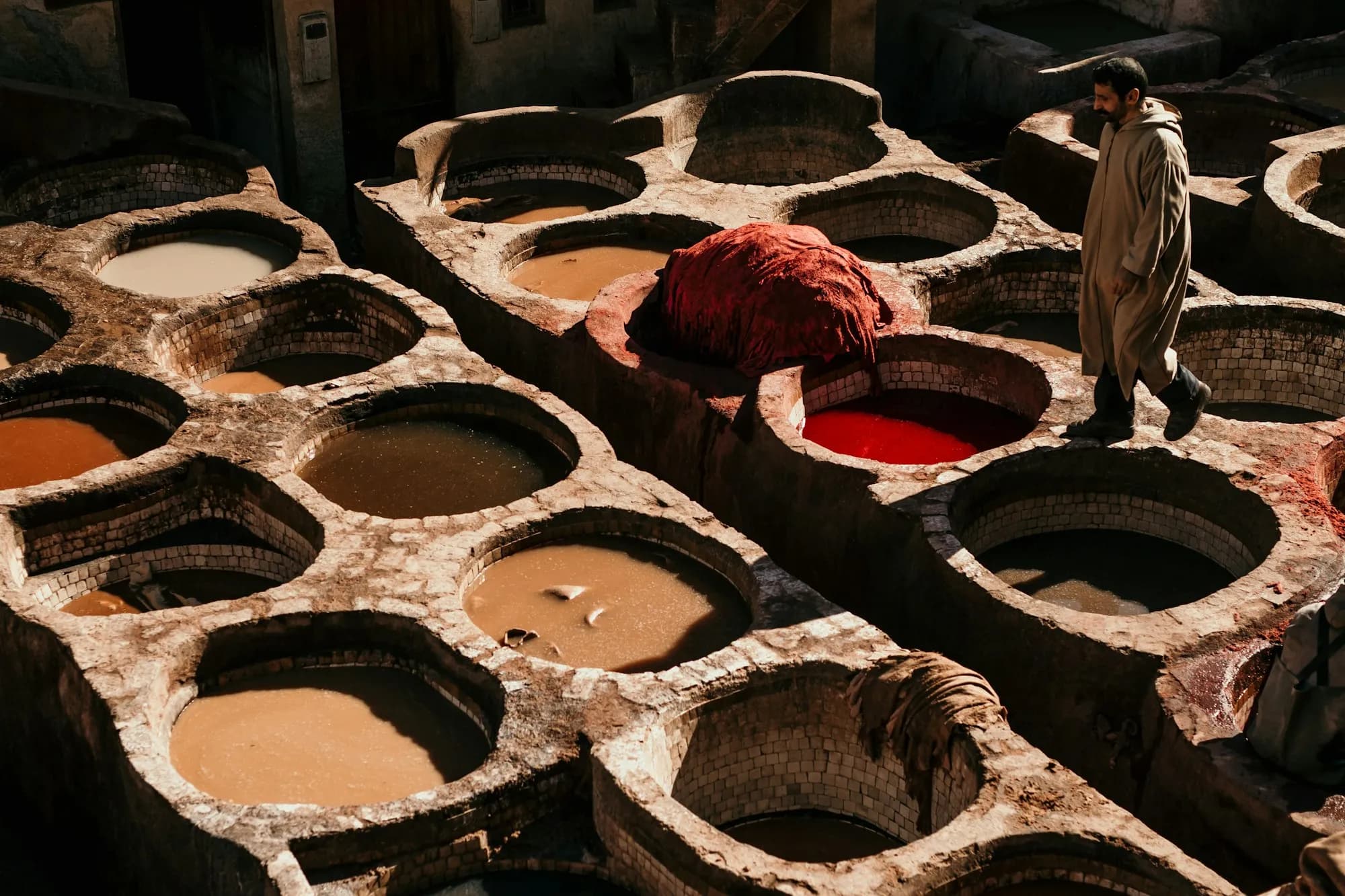
Fes is older, denser and more contemplative than Marrakech. Its medina, Fes el-Bali, is a car-free warren of lanes where donkeys still carry goods and artisans work in tiny workshops. The madrasas are exquisite, the tanneries are unforgettable (bring a sense of adventure for the smell), and the food is excellent.
Also worth considering
- Chefchaouen, the blue-washed mountain town in the Rif, a few hours north of Fes.
- Essaouira, a breezy Atlantic port with a relaxed medina, a few hours from Marrakech.
- Casablanca, where the Hassan II Mosque is one of the few mosques in the country that non-Muslim visitors can enter, on guided tours.
How long do you need?
- 5 days: Marrakech plus a night or two in the High Atlas.
- 8 to 10 days: the classic loop of Marrakech, the Atlas, the gorges, the Sahara and Fes, like our Morocco Medina + Desert journey.
- 2 weeks: add Chefchaouen, Essaouira or more time in the mountains.
Getting around
The most comfortable way to travel is with a private driver or driver-guide, especially for the mountains and the desert. Roads are generally good, but distances are long, and a local driver knows where to stop for lunch, photos and mint tea.
Trains link major cities such as Marrakech, Casablanca, Rabat, Fes and Tangier, including a high-speed line in the north. Self-driving is possible, though medina parking and mountain roads can be stressful for first-timers.
Riads: what to expect
A riad is a traditional house built around an inner courtyard or garden. Many have been beautifully restored as small hotels with just a handful of rooms, and staying in one is part of the Moroccan experience.
A few things to know:
- Most sit in the medina, where cars can't reach, so a porter usually wheels your luggage the last stretch.
- Rooms vary a lot in size and light, and there are often stairs.
- Sound carries around a courtyard, and the call to prayer is part of the soundtrack.
- In winter, check that your riad has good heating; stone houses can be chilly.
Navigating the medinas
Getting a little lost in a medina is part of the fun, but a licensed local guide for your first half-day makes a huge difference. You'll learn the landmarks, meet craftspeople, and understand what you're looking at.
You may be approached by unofficial "guides" offering directions or help. A polite, firm "no, thank you" is enough, and you shouldn't feel obliged to follow anyone. Bargaining in the souks is normal and can be enjoyable: decide what an item is worth to you, start lower, stay friendly and feel free to walk away. We ask the guides we work with to keep shopping optional and pressure-free.
Culture and etiquette
- Dress modestly, especially outside the big cities: covering shoulders and knees is respectful and will make you more comfortable.
- Ask before photographing people, and accept a "no" gracefully. Some performers in Jemaa el-Fna expect a tip for photos.
- Mosques are generally not open to non-Muslim visitors, with notable exceptions such as the Hassan II Mosque.
- Alcohol is available in licensed hotels, restaurants and bars, but not everywhere.
- Ramadan dates move earlier each year. Travel is still very possible and can be special, with evening iftar meals, but daytime rhythms slow down and some restaurants close until sunset. We'll flag it if it overlaps your dates.
Food
Moroccan food alone is a reason to go. Look for slow-cooked tagines, couscous (traditionally a Friday dish), pastilla, harira soup and fresh bread from communal ovens, all washed down with sweet mint tea. A food walk or cooking class is one of the best ways to understand the culture, and our Cities & Food page has more ideas.
When to go
Spring (March to May) and autumn (September to November) are generally the most comfortable times, with warm days and cooler nights. Summer is very hot in Marrakech and the desert, where temperatures can climb above 100°F (about 38°C). Winter brings mild, sunny days in the cities but cold nights, snow in the High Atlas and chilly desert camps, so pack layers.
Money and practicalities
Morocco's currency is the dirham, which generally can't be bought before you arrive; ATMs are easy to find in cities and larger towns. Carry some cash for the souks, small cafés and tips. For entry rules, check the requirements for your nationality and the official sources we link to in our Travel to Africa section.
Is Morocco right for you?
If you enjoy color, noise, history and food, and you're happy to embrace a little chaos, almost certainly. The honest caveats: medinas can feel intense at first, drives to the desert are long, and desert camps vary a lot in comfort. A well-planned route, good guides and the right riads solve most of that. Tell us how you like to travel and we'll design your first Moroccan journey around you.