 9 days
Morocco Medina + Desert
Marrakech, the High Atlas, the Sahara & Fes
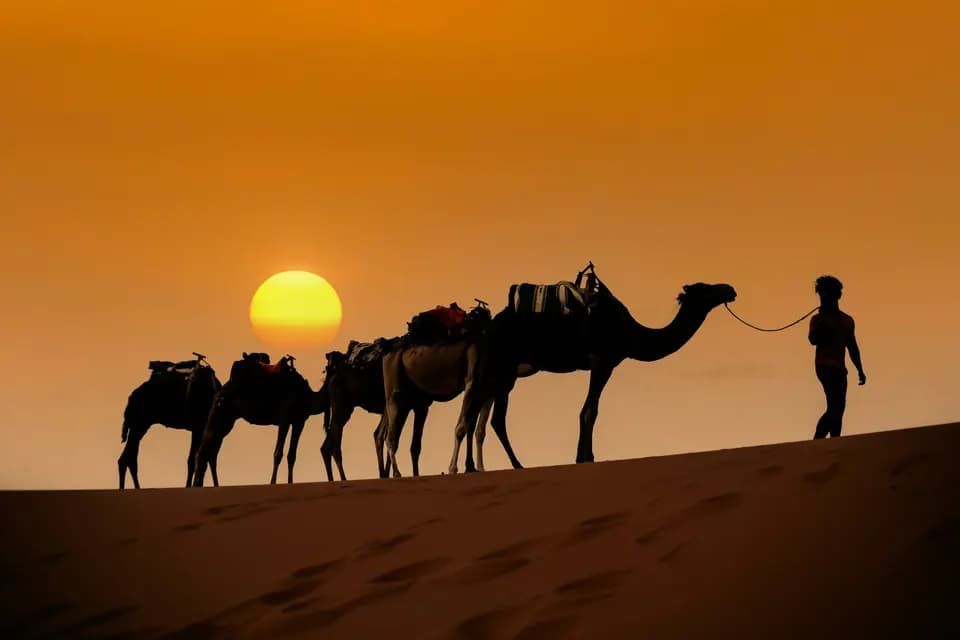
- Two nights among the Merzouga dunes
- Best Mar–May, Sep–Nov
From$3,300approx. ≈ £2,500approx. ≈ CA$4,500approx. ≈ A$5,000approx. ≈ €2,850per person sharing
Marrakech is Morocco at full volume: a UNESCO-listed medina of souks, palaces and riads, the storytellers and food stalls of Jemaa el-Fnaa, and serene gardens. It is also the gateway to the High Atlas and the Sahara.
Marrakech has been a crossroads since its founding in the 11th century, when it became the capital of an empire stretching from Spain to the Sahara. Its rose-colored walls, built from local earth, give the "Red City" its nickname, and inside them lies a medina that is both a UNESCO World Heritage Site and a thoroughly lived-in neighborhood.
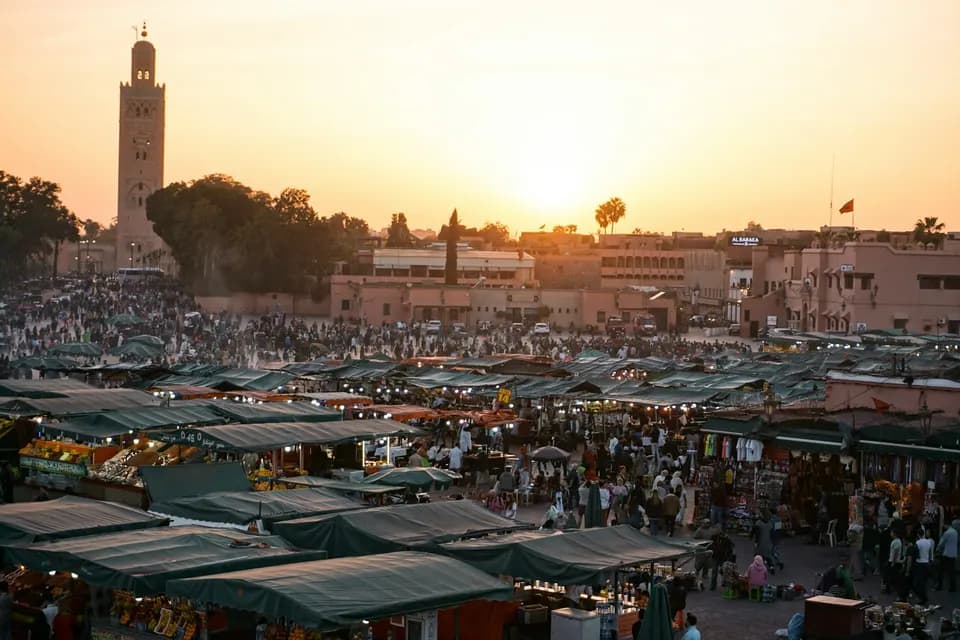
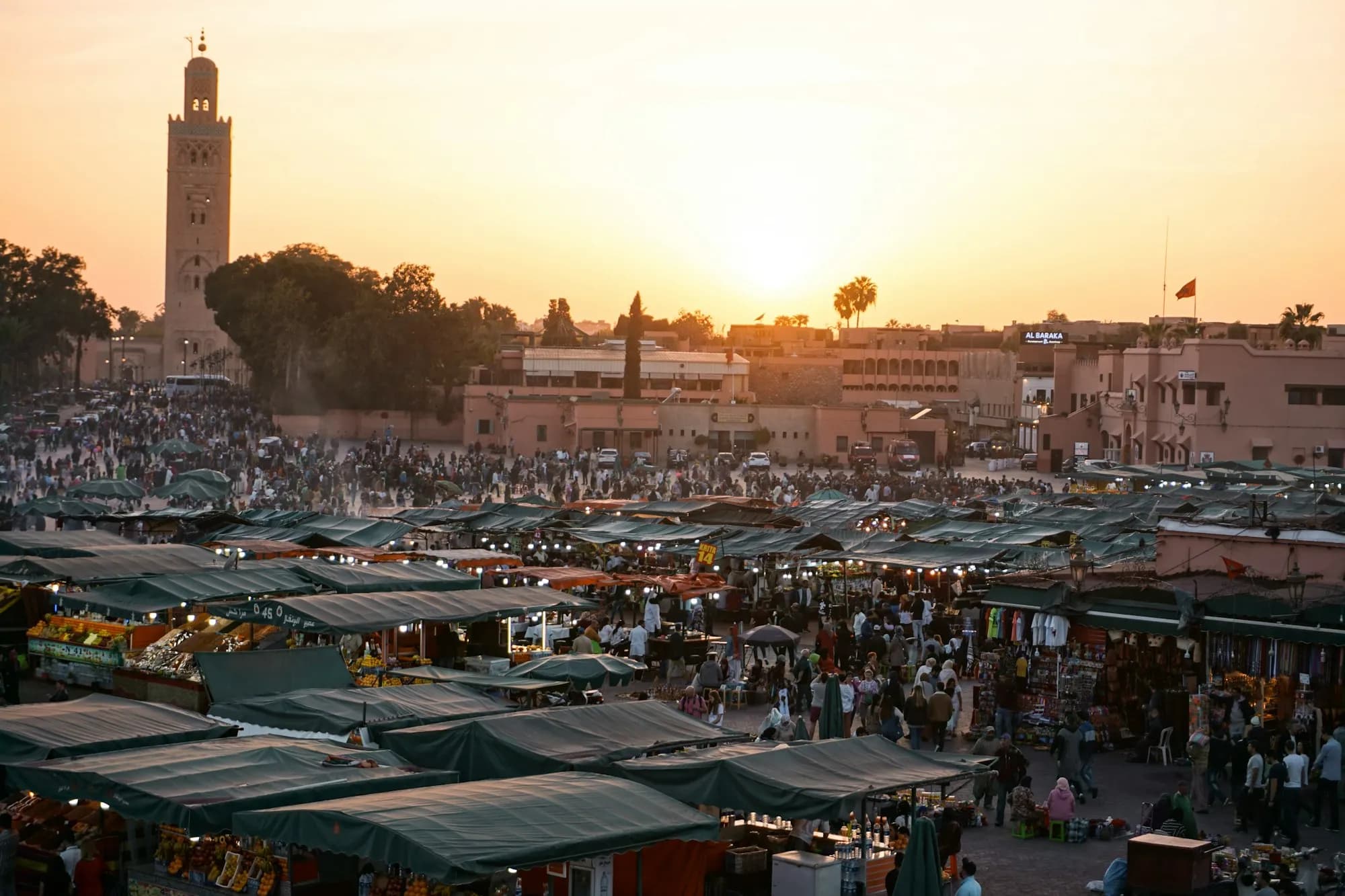
At the heart of the medina is Jemaa el-Fnaa, a square that changes through the day: orange juice sellers and henna artists in the morning, musicians, storytellers and acrobats in the afternoon, and, at dusk, rows of smoking food stalls. UNESCO recognizes the square's living traditions as intangible cultural heritage.
North of the square, the souks unfold in a maze of lanes devoted to leather, lanterns, spices, carpets and metalwork. Beyond the bargaining lie masterpieces of architecture: the Ben Youssef Madrasa, with its carved cedar and stucco, the Bahia Palace, the Saadian Tombs and the Koutoubia Mosque, whose 12th-century minaret is the city's landmark.
Marrakech also knows how to slow down. The Jardin Majorelle, with its cobalt-blue villa and cactus gardens, and the neighboring Musée Yves Saint Laurent celebrate the city's artistic ties, while Le Jardin Secret offers quiet courtyards right in the medina. A traditional hammam followed by mint tea on a riad rooftop is the perfect end to a day in the souks.
Gueliz, the French-built new town, is home to galleries, cafés and restaurants, while the Palmeraie and the stony Agafay desert, less than an hour away, offer quiet retreats, camel rides and dinners under the stars. The High Atlas is close enough for a day trip, and the Atlantic town of Essaouira is around three hours away.
We recommend three nights to explore without rushing, ideally in a riad inside the medina, with a licensed guide for your first morning to make the souks far easier to navigate. Marrakech is the starting point of our Morocco Medina + Desert journey.
Jemaa el-Fnaa at dusk
Watch the square fill with musicians, storytellers and food stalls, ideally from a rooftop terrace before diving in.
The souks
Explore lanes of leatherworkers, lantern makers and spice merchants with a licensed guide who knows the best artisans.
Ben Youssef Madrasa
Admire intricate carved cedar, stucco and zellige tilework in a 16th-century Islamic college.
Jardin Majorelle
Wander cactus gardens around a cobalt-blue villa, then visit the neighboring Yves Saint Laurent museum.
Hammam and riad life
Unwind with a traditional steam bath and scrub, then relax in a leafy courtyard or on a rooftop terrace.
Agafay desert dinner
Head to the stony desert outside the city for camel rides, sunset views of the Atlas and dinner under the stars.
Eating in Marrakech is a highlight. At the food stalls of Jemaa el-Fnaa, try grilled kebabs, harira soup, snails in spiced broth and fresh orange juice, choosing busy stalls with a quick turnover.
The city's signature dish is tanjia: beef or lamb slow-cooked for hours in a clay urn, traditionally in the embers of a hammam furnace. Tagines, couscous (traditionally served on Fridays), pastilla and slow-roasted mechoui lamb appear everywhere, from riad dining rooms to rooftop restaurants, and mint tea is the ritual of hospitality.
A cooking class that starts with a market visit is a wonderful way to understand the spices. Alcohol is served in licensed hotels and restaurants, but not everywhere in the medina.
Best months
Spring (March to May) and autumn (October and November) are the best times to visit, with warm, sunny days and pleasant evenings for rooftop dining. Summer is very hot, often above 38°C (100°F), so plan early mornings, long afternoons by a pool and late dinners.
Winter, from December to February, is mild and sunny by day, but nights are cold and older riads can feel chilly, so choose one with good heating. From December to March, the snowcapped Atlas make a beautiful backdrop to the city.
Marrakech Menara Airport (RAK) is only about 15 to 20 minutes from the medina. Inside the medina, walking is the only practical way to get around: the lanes are narrow and busy with scooters, handcarts and the occasional donkey, and cars can't reach many riads, so a porter often meets you at the nearest drop-off point.
Petit taxis are inexpensive for trips between the medina and Gueliz; insist on the meter or agree on the fare before setting off. For day trips to the mountains, the Agafay or Essaouira, a private driver is the most comfortable choice.
Use our featured journeys as inspiration. We'll tailor the dates, hotels, activities, pace and budget around you.
9 daysMarrakech, the High Atlas, the Sahara & Fes
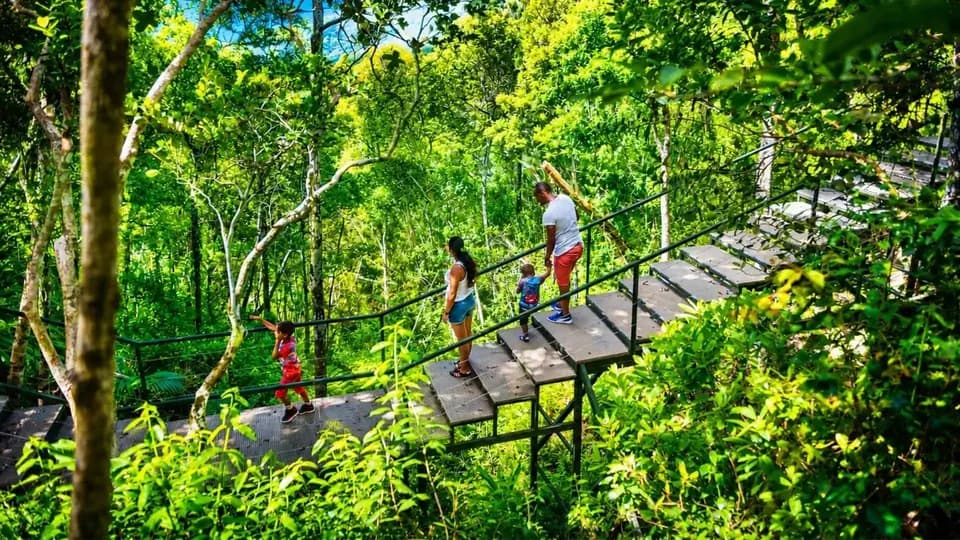
A family trip to Africa can be the adventure your kids talk about for years. Here's how to choose the right age, destinations and lodges, why a private vehicle changes everything, and how to balance safari days with beach time.
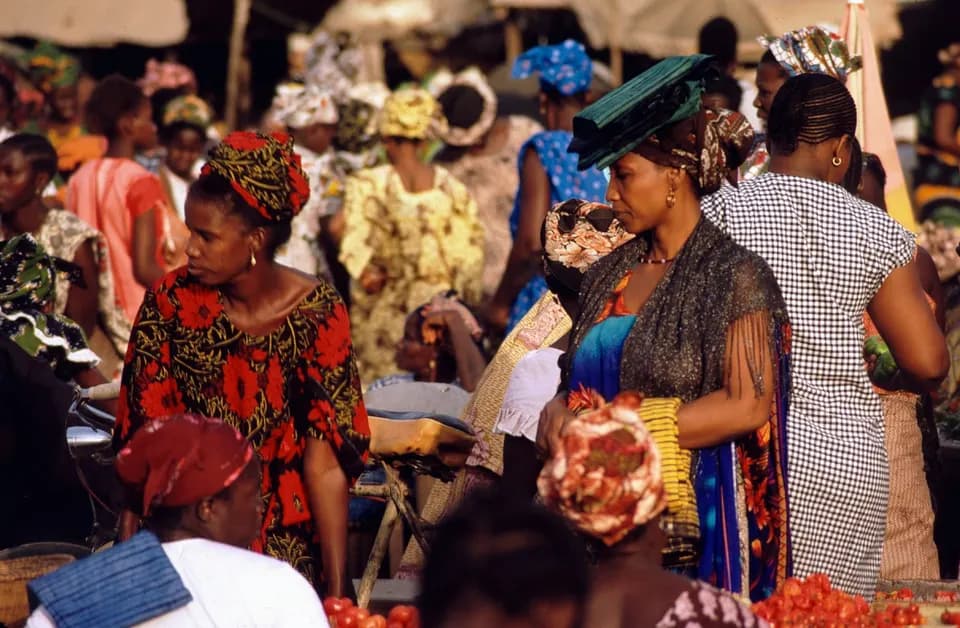
Travel done well supports wildlife, conservation and local livelihoods. This practical guide covers choosing lodges and guides, ethical wildlife encounters, respectful community visits, shopping, plastic, flights and tipping.
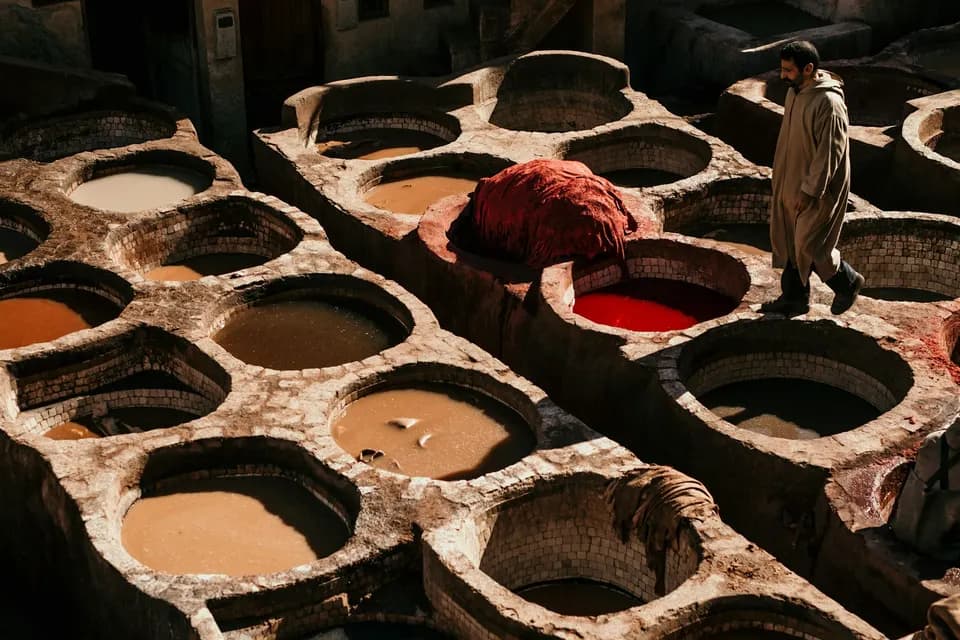
Morocco is one of the most rewarding first trips to Africa: vivid medinas, Atlas villages and Saharan dunes, all within a week or two. Here is where to go, how to get around, what riads are like, and how to navigate the souks with confidence.
Tell us how you like to travel and we’ll shape an itinerary — the pace, the places, the stays — around you. No payment to start planning.