 9 days
Morocco Medina + Desert
Marrakech, the High Atlas, the Sahara & Fes
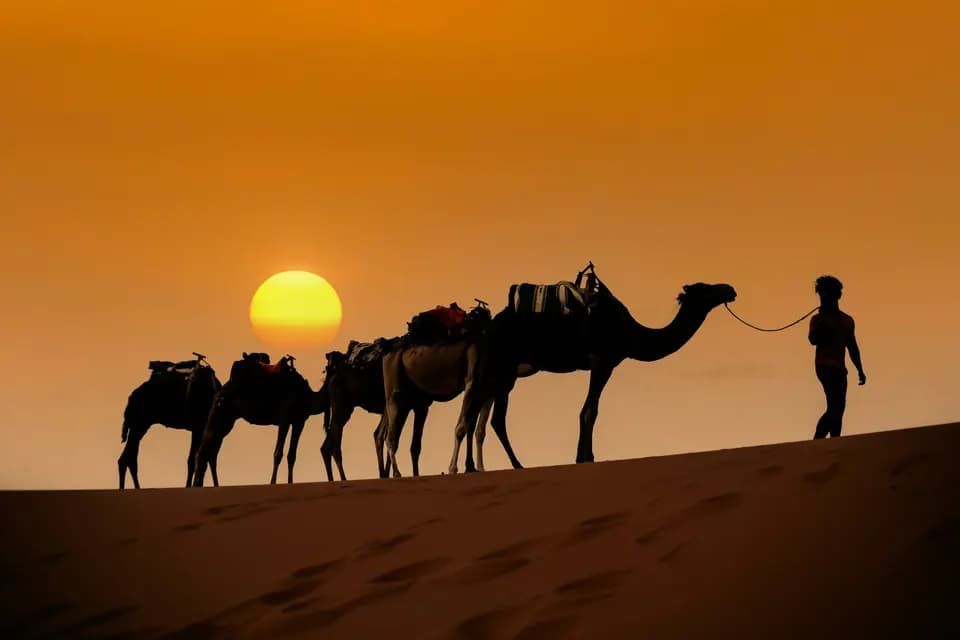
- Two nights among the Merzouga dunes
- Best Mar–May, Sep–Nov
From$3,300approx. ≈ £2,500approx. ≈ CA$4,500approx. ≈ A$5,000approx. ≈ €2,850per person sharing
Fes is Morocco's spiritual and cultural heart, home to Fes el-Bali, a vast car-free medina of madrasas, tanneries and artisan workshops. It rewards curious travelers who explore slowly with a good local guide.
Founded at the end of the 8th century, Fes (also spelled Fez) served for long periods as Morocco's capital and remains its spiritual and intellectual center. Its old walled city, Fes el-Bali, is a UNESCO World Heritage Site and one of the largest car-free urban areas in the world: a labyrinth of lanes where donkeys and handcarts still carry goods, and where craftspeople work much as their predecessors did centuries ago.
At the heart of the medina stands Al-Qarawiyyin, a mosque and university founded in 859 by Fatima al-Fihri and often cited as the oldest continuously operating university in the world. Non-Muslims can't enter the mosque, but you can glimpse its courtyard through the doorways. Nearby, the Bou Inania and Al-Attarine madrasas showcase Marinid craftsmanship at its finest, with carved cedar, stucco and zellige tilework.
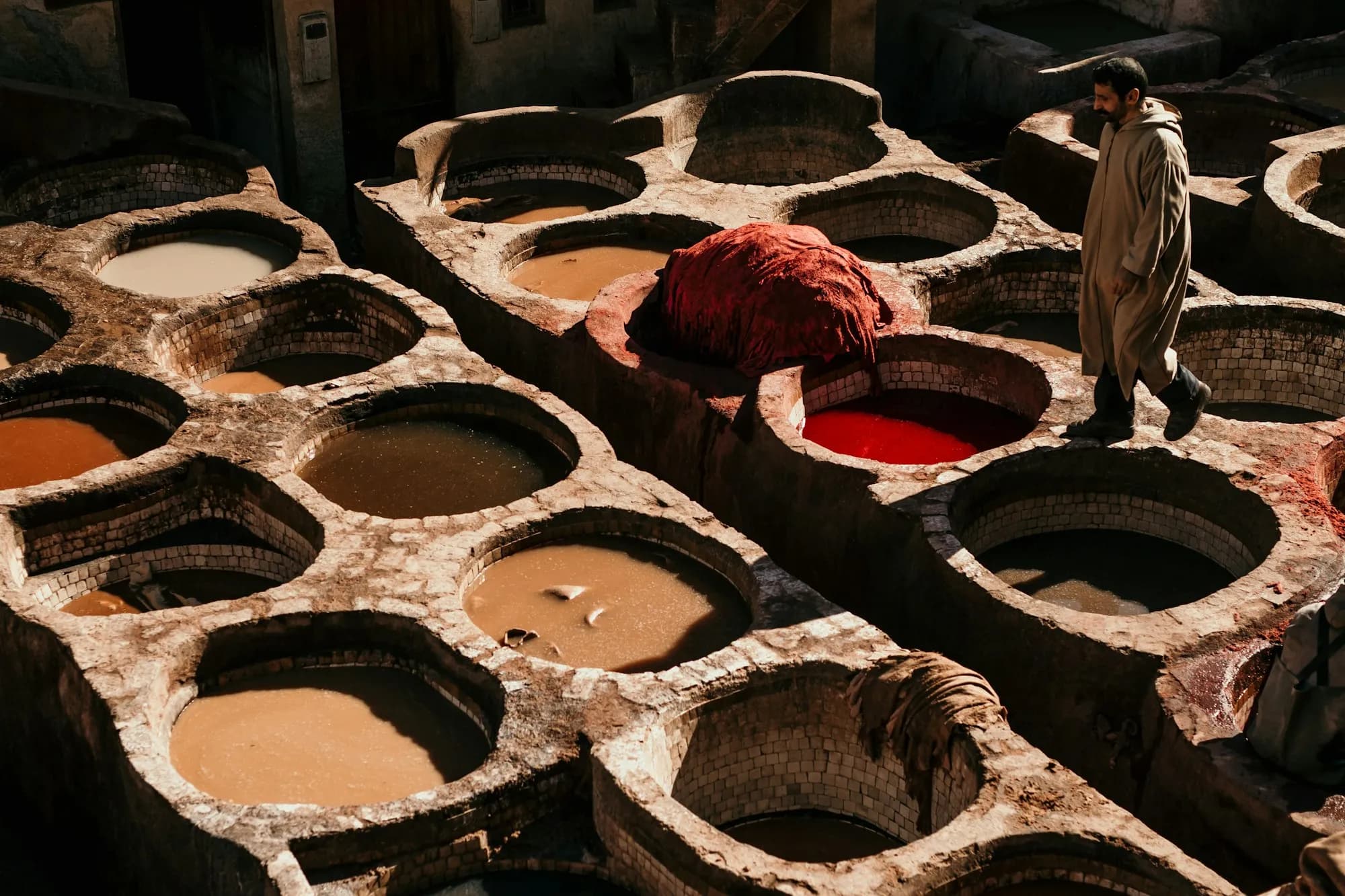
Fes's artisans are its pride. From the terraces of the leather shops around the Chouara Tannery, you look down on stone vats where hides are dyed much as they have been for centuries. Coppersmiths hammer trays in Seffarine Square, weavers work silk and cotton on wooden looms, and potters produce the city's famous blue-and-white ceramics and zellige.
Fes el-Jdid, the "new" city built in the 13th century, holds the gilded gates of the Royal Palace and the Mellah, the historic Jewish quarter. For panoramic views, climb to the Marinid Tombs above the medina at sunset.
Day trips include the Roman ruins of Volubilis and the imperial city of Meknes, both UNESCO-listed, and the hilltop holy town of Moulay Idriss. Chefchaouen, the blue-washed town of the Rif Mountains, is around four hours away.
We recommend two or three nights in a restored riad or dar within the medina, with a licensed guide for at least one full day. Fes pairs naturally with the Sahara and Marrakech on our Morocco Medina + Desert journey.
Fes el-Bali
Explore one of the world's largest car-free medinas with a licensed guide who can reveal its hidden courtyards.
Chouara Tannery
Watch hides being dyed in stone vats from the terraces of the surrounding leather shops.
Bou Inania Madrasa
Admire one of Morocco's finest examples of Marinid architecture, open to visitors of all faiths.
Artisan workshops
Meet coppersmiths, weavers, potters and zellige makers whose skills have been passed down through generations.
Marinid Tombs at sunset
Listen to the call to prayer ripple across the medina from the hillside above the old city.
Volubilis and Meknes
Take a day trip to remarkably preserved Roman ruins and the monumental gates of an imperial city.
Fes is often considered Morocco's culinary capital. Its signature dish is pastilla, a flaky pastry pie filled with pigeon or chicken, almonds and spices and dusted with cinnamon and sugar.
Try bissara, a comforting fava bean soup that locals eat for breakfast, especially in winter, with bread fresh from the neighborhood's communal ovens, and Fes-style tagines with preserved lemon and olives. For something sweet, look for chebakia, sesame cookies soaked in honey, and delicate almond pastries.
Many riads serve memorable home-style dinners, and cooking classes often begin with a visit to the market.
Best months
Spring (March to May) and autumn (September to November) are ideal, with warm, sunny days and cool evenings that are perfect for exploring the medina on foot.
Summer can be very hot, often 35°C (95°F) or more, although the narrow, shaded lanes offer some relief. Winter, from December to February, is cool and often rainy, and riads can be cold at night, but crowds are thin and the city feels especially local. The Fes Festival of World Sacred Music usually takes place in late spring or early summer.
Fes–Saïss Airport (FEZ) is about 20 to 30 minutes from the medina, with domestic and some European flights, and trains link Fes with Meknes, Rabat, Casablanca and Tangier.
Inside Fes el-Bali, walking is the only option: cars stop at the gates, and porters carry luggage to the riads. A licensed guide is highly recommended for at least your first day, since the lanes are confusing and unofficial guides may approach you. Red petit taxis are handy for hops between the medina, Fes el-Jdid and the new town.
Use our featured journeys as inspiration. We'll tailor the dates, hotels, activities, pace and budget around you.
9 daysMarrakech, the High Atlas, the Sahara & Fes
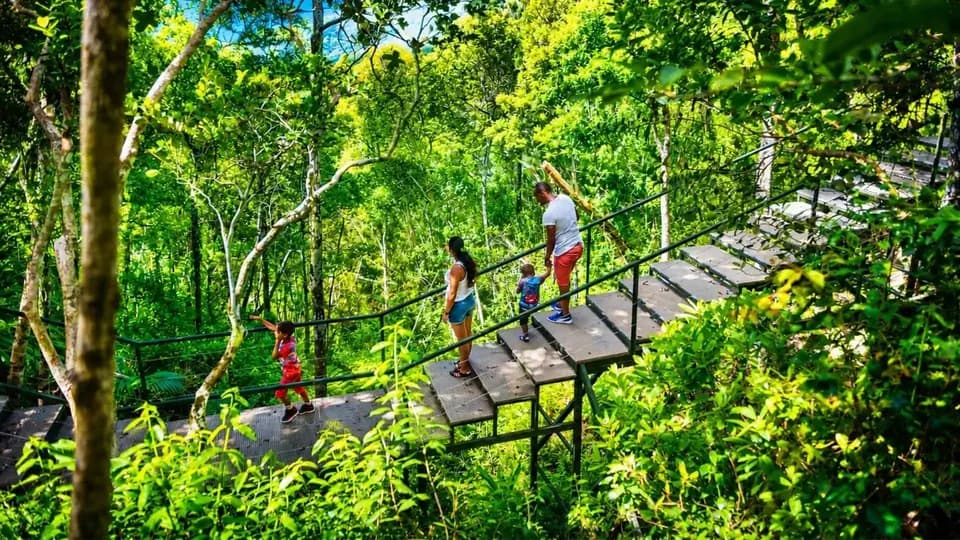
A family trip to Africa can be the adventure your kids talk about for years. Here's how to choose the right age, destinations and lodges, why a private vehicle changes everything, and how to balance safari days with beach time.
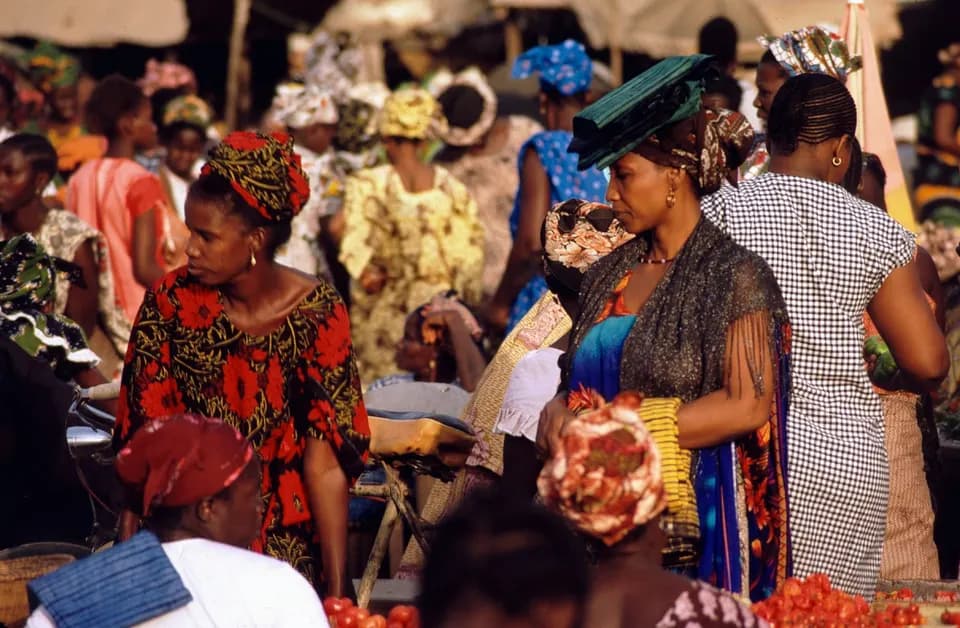
Travel done well supports wildlife, conservation and local livelihoods. This practical guide covers choosing lodges and guides, ethical wildlife encounters, respectful community visits, shopping, plastic, flights and tipping.
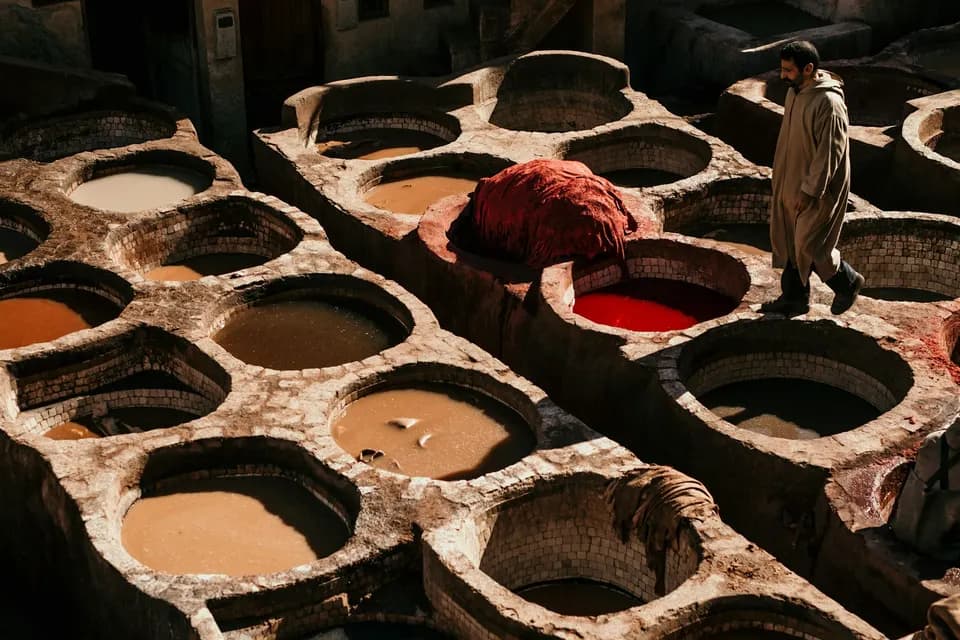
Morocco is one of the most rewarding first trips to Africa: vivid medinas, Atlas villages and Saharan dunes, all within a week or two. Here is where to go, how to get around, what riads are like, and how to navigate the souks with confidence.
Tell us how you like to travel and we’ll shape an itinerary — the pace, the places, the stays — around you. No payment to start planning.