The most common packing mistake on safari is bringing too much. Most safari days are spent in the same comfortable clothes, many camps offer laundry, and light-aircraft flights between camps come with strict luggage limits. A smaller, smarter bag makes everything easier.
This is the list we give our own travelers. Adjust it for your season, your activities and whether you're adding a beach or city stay.
Start with the right bag
- A soft duffel bag without wheels or a rigid frame. Light aircraft have small holds, and soft bags are often required. Limits are commonly around 33 to 44 pounds (about 15 to 20 kilograms) per person including hand luggage, but they vary, so we confirm the exact allowance for your flights.
- A small daypack for game drives, with room for a jacket, camera, binoculars, sunscreen and water.
- Extra luggage? If you're traveling on to a city or beach with more clothes, we can often arrange for a bag to be stored or forwarded.
Clothing
Stick to neutral, earthy colors: khaki, olive, tan, stone and soft greens. They show less dust and blend into the landscape. Bright white gets dirty quickly, and dark blue and black can attract tsetse flies in some areas. Leave camouflage-print clothing at home; it's restricted for civilians in some countries.
A sensible safari wardrobe for a week or so:
- 3 or 4 lightweight shirts or T-shirts, including 1 or 2 with long sleeves for sun and insect protection
- 2 or 3 pairs of comfortable pants, and a pair of shorts if you like
- A warm fleece or light down jacket (early mornings in open vehicles can be cold)
- A lightweight, packable rain jacket, especially in the green season
- Comfortable closed shoes for walking, plus sandals or flip-flops for camp
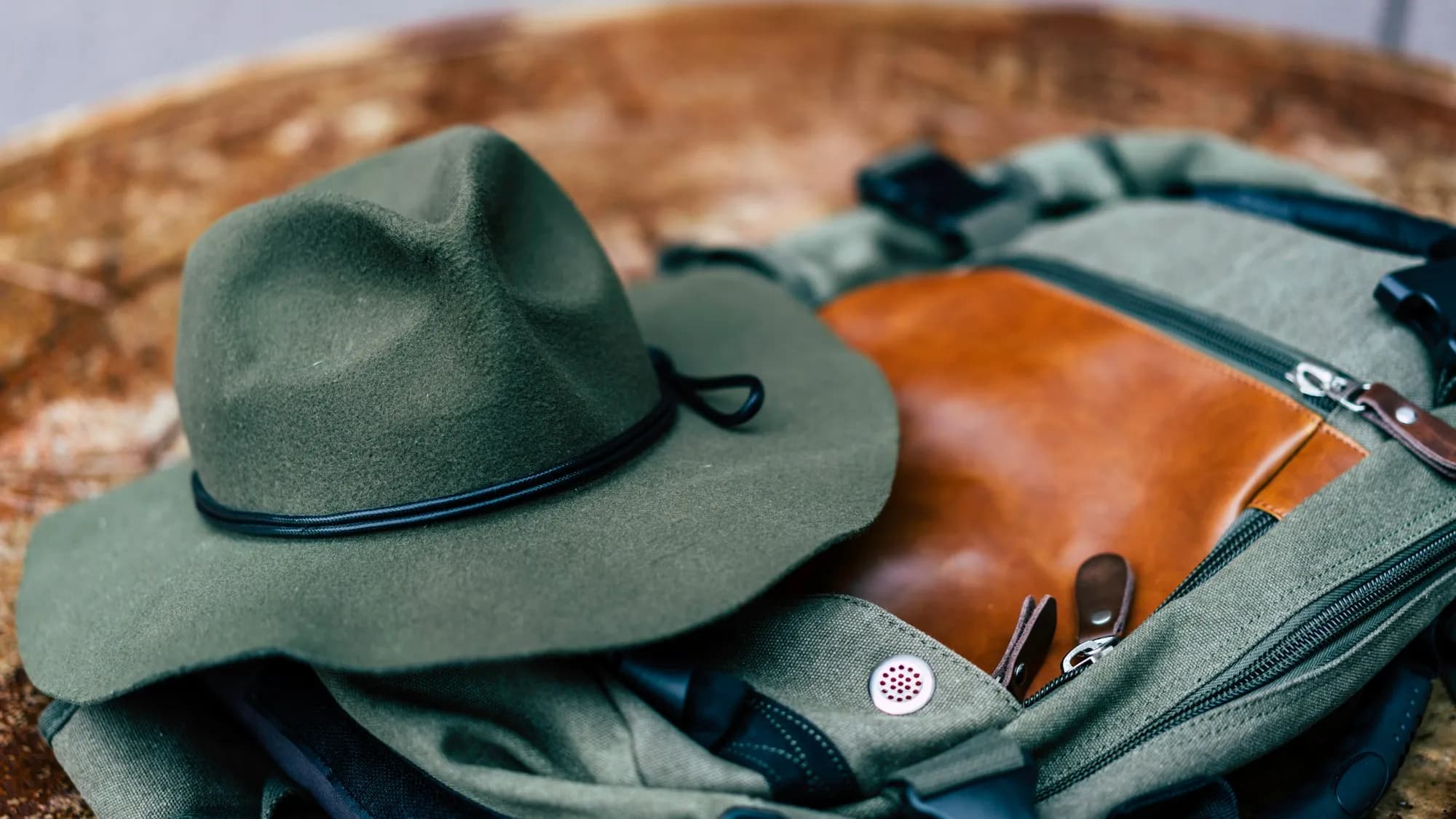
- A wide-brimmed hat, sunglasses and a neck gaiter or scarf for dust and sun
- Swimwear, sleepwear and enough underwear and socks for a few days
In southern Africa's winter months, roughly June to August, mornings and evenings can be genuinely cold, particularly in Botswana, Namibia and the higher parts of South Africa. Add a warm hat and light gloves. Many camps provide blankets and hot-water bottles on drives, but your own layers make the biggest difference.
On laundry: many camps wash clothes daily, often for free or a small fee. Some ask guests to wash their own underwear for cultural reasons, so a small packet of travel detergent is useful.
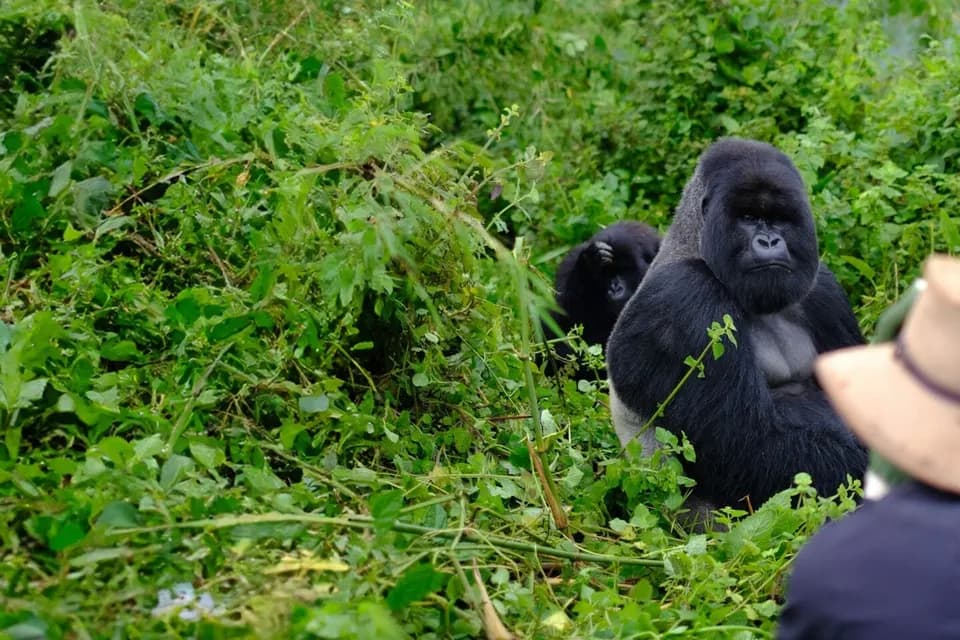
Gorilla and primate trekking extras
If your trip includes gorillas or chimpanzees, add:
- Waterproof hiking boots with good grip and ankle support
- Long pants and long sleeves to protect against nettles and scratches
- Gardening or work gloves for grabbing vegetation on steep slopes
- Gaiters, or socks you can tuck your pants into
- A reliable rain jacket, because forests can be wet in any month
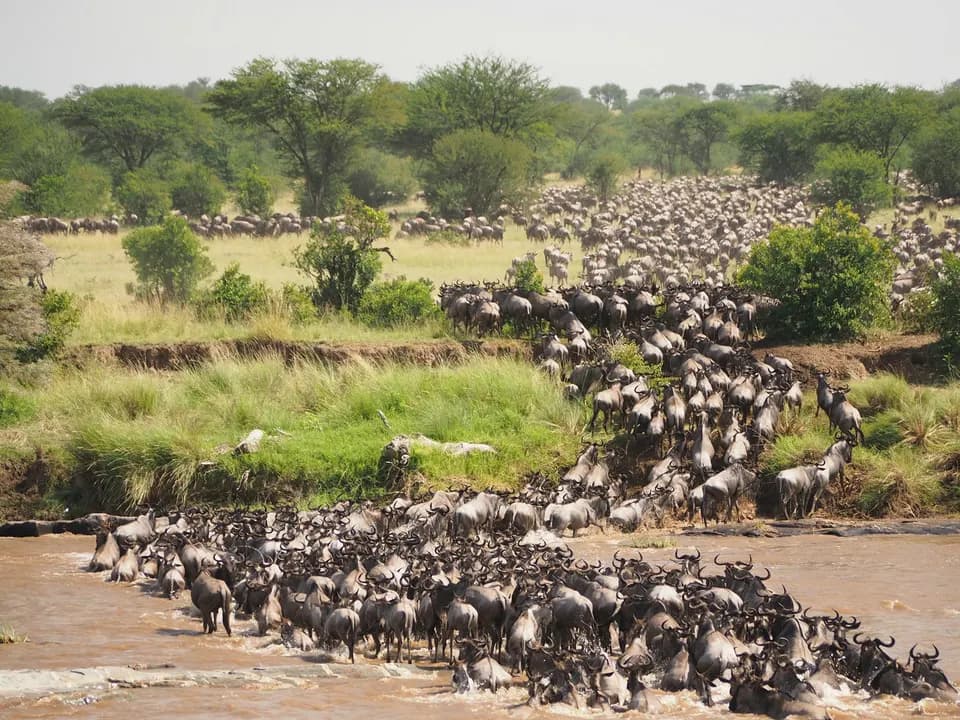
Porters are usually available at the trailhead to carry your daypack and help on tricky sections. Hiring one is a good way to support local communities. See our Gorillas & the Great Migration journey for how trekking fits into a longer trip.
Health and personal items
- Sunscreen with a high SPF, and lip balm with sun protection
- Insect repellent recommended by a health professional
- Personal medication in its original packaging, with copies of prescriptions
- A small first-aid kit with adhesive bandages, pain relief and rehydration sachets
- Spare glasses or contact lenses, and eye drops for dusty days
- Hand sanitizer and a few packs of tissues
For vaccinations, malaria prevention and anything else health-related, please speak to a travel health professional well before your trip. We don't give medical advice, and requirements vary by destination and by traveler.
Binoculars, cameras and tech
- Binoculars, ideally one pair per person. They transform game drives and birding, and sharing a pair means someone always misses out. A magnification of 8x or 10x is a good all-rounder.
- A camera with a zoom lens if photography matters to you. A phone takes lovely landscape shots, but distant animals benefit from real zoom.
- Spare batteries and memory cards, because charging can be limited in remote camps.
- A power bank and charging cables, plus the right plug adapter. Plug types differ between countries; our destination pages list them.
- A small flashlight or headlamp for walking to your tent after dark (you'll be escorted, but it helps).
- Dust protection for your gear, even a simple zip-lock pouch or a soft cloth.
Leave drones at home unless you've checked the rules and obtained permission. They're restricted in many parks and countries and disturb wildlife.
Documents and money
- Your passport, with copies saved separately
- Your travel insurance details and emergency numbers
- Printed or offline copies of your itinerary and vouchers
- Cards and some cash for tips and small purchases. In several countries, U.S. dollars are widely used for tips, and some places accept only newer, undamaged bills.
Passport validity, visas and other entry rules depend on your nationality and destination, and they change. Please check the entry requirements for your nationality and the official sources we link to in our Travel to Africa section.
What to leave at home
- Hard-shell suitcases
- More outfits than you'll wear (you won't dress up much on safari)
- Valuable jewelry
- Single-use plastic bags: several East African countries, including Kenya, Tanzania and Rwanda, restrict them, so pack toiletries in reusable pouches and check current official guidance before you travel
If you're adding a beach or city stay
Bush-and-beach trips are popular, such as our Serengeti + Zanzibar journey or the Zanzibar Beach Extension. For those, add:
- Light summer clothes and a sarong or cover-up
- Reef-safe sunscreen and your own snorkel mask if you have one
- Modest clothing that covers shoulders and knees for exploring places such as Stone Town, the medinas of Morocco or religious sites in Egypt
The quick checklist
- Soft duffel and a daypack
- Neutral clothing in layers, including a warm jacket and a rain jacket
- Walking shoes and camp sandals
- Hat, sunglasses, neck gaiter
- Sunscreen, repellent, medication and a small first-aid kit
- Binoculars, camera, spare batteries, power bank and adapter
- Headlamp or flashlight
- Passport, insurance details, itinerary copies, cards and some cash
When we send your final travel documents, we include a packing note tailored to your camps, flights and season. If you're still at the dreaming stage, start planning your trip and we'll take it from there.