 9 days
Egypt Nile + Pyramids
Cairo, Abu Simbel & a Nile Cruise
- Private Egyptologist guides throughout
- Best Oct–Apr
From$3,900approx. ≈ £2,950approx. ≈ CA$5,350approx. ≈ A$5,950approx. ≈ €3,350per person sharing
Cairo combines the Pyramids of Giza and the Grand Egyptian Museum with a thousand years of Islamic architecture, lively bazaars and evenings on the Nile. Chaotic, generous and endlessly fascinating, it's the essential start to any trip to Egypt.
Egypt's vast capital is a city of layers. Pharaonic, Roman, Coptic, Islamic, Ottoman and modern Cairo coexist within a single drive, set to a soundtrack of car horns, calls to prayer and conversation that carries on deep into the night.
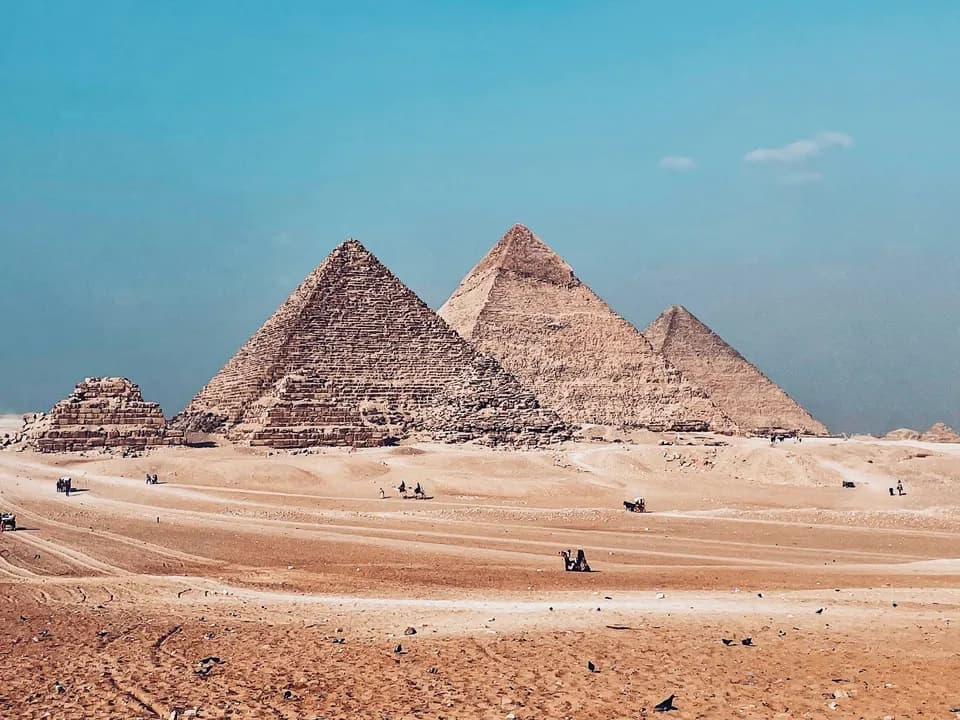
On the city's western edge, the Giza plateau is home to the Great Pyramid of Khufu, the only survivor of the Seven Wonders of the Ancient World, along with the pyramids of Khafre and Menkaure and the Great Sphinx. Beside the plateau, the Grand Egyptian Museum, fully opened in late 2025, displays the treasures of Tutankhamun together in vast, modern galleries.
Farther south, Saqqara's Step Pyramid of Djoser, the earliest of Egypt's great stone pyramids, and the Bent and Red pyramids of Dahshur are quieter and fascinating. In the city itself, the historic Egyptian Museum on Tahrir Square and the National Museum of Egyptian Civilization, home to the royal mummies, complete the story.
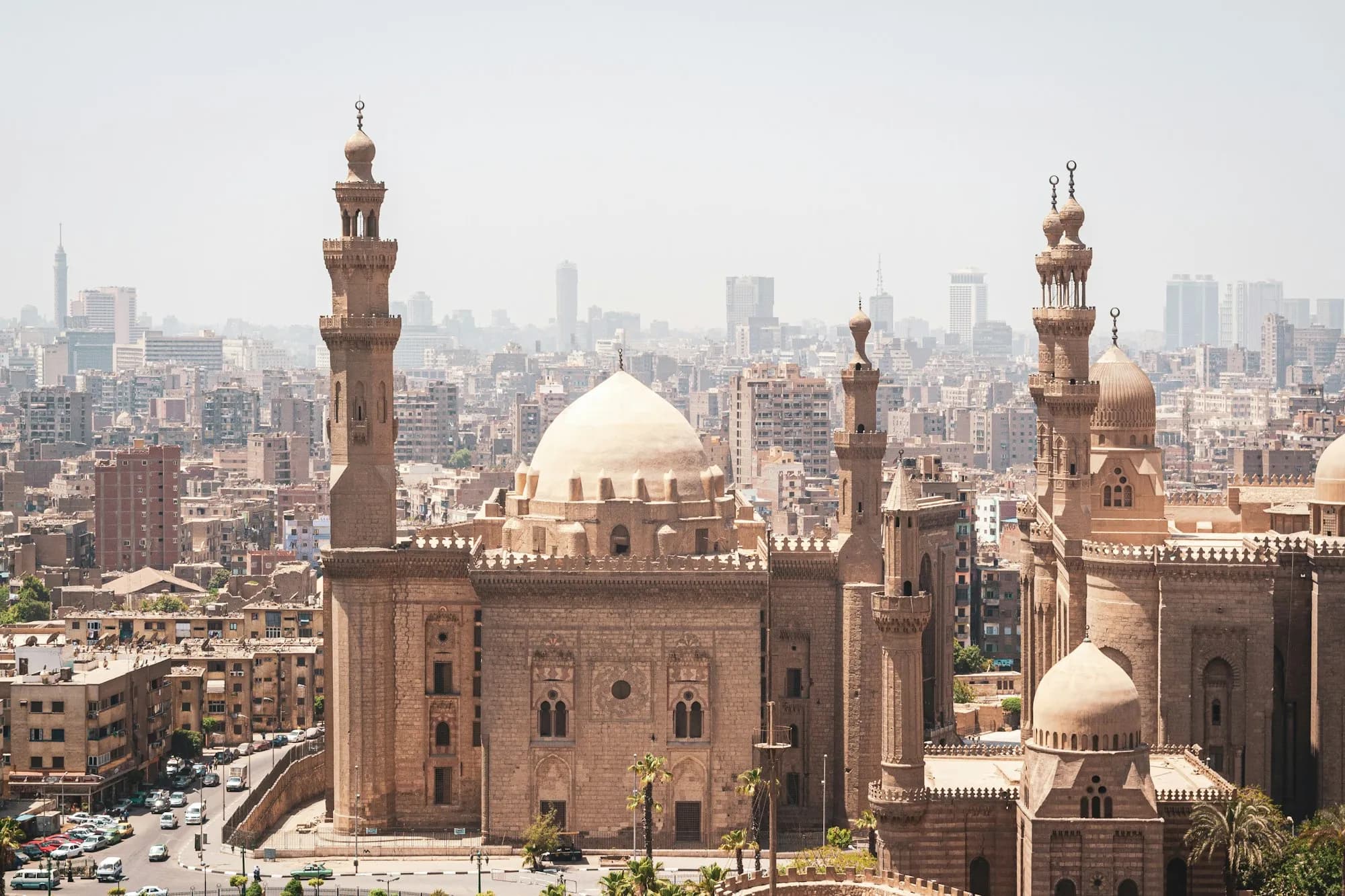
Historic Cairo, a UNESCO World Heritage Site, is one of the oldest Islamic cities in the world. Walk Al-Muizz Street past centuries-old mosques, madrasas and merchant houses, lose yourself in the Khan el-Khalili bazaar, and visit the Al-Azhar and Sultan Hassan mosques. The Citadel of Saladin, crowned by the Mosque of Muhammad Ali, offers wide views across the city, while the Hanging Church, the Ben Ezra Synagogue and the Coptic Museum in Coptic Cairo reflect the city's long religious diversity.
Downtown's belle époque buildings, the leafy island neighborhood of Zamalek with its galleries and cafés, and felucca rides on the Nile at sunset reveal the city's everyday charm.
Cairo's traffic can be intense, so we group sights by area, start early at Giza and pair you with an Egyptologist guide and a private driver. Two or three nights before or after a Nile cruise is ideal, as on our Egypt Nile + Pyramids journey.
The Pyramids of Giza
Stand before the last surviving Wonder of the Ancient World, ideally at opening time with an Egyptologist.
Grand Egyptian Museum
See Tutankhamun's treasures displayed together in the vast museum beside the Giza plateau.
Saqqara and Dahshur
Explore the Step Pyramid of Djoser and the Bent and Red pyramids, where the art of pyramid-building evolved.
Khan el-Khalili and Al-Muizz Street
Wander a great medieval street of mosques and madrasas, then bargain in the famous bazaar.
The royal mummies
Meet the pharaohs themselves in the Royal Mummies Hall of the National Museum of Egyptian Civilization.
The Nile at sunset
Sail on a felucca or dine aboard a river boat as the lights of the city come on.
Cairo eats well and affordably. Start with koshari, the national comfort food of rice, lentils, pasta and chickpeas under a spicy tomato sauce and crispy onions. Breakfast means ful medames, slow-cooked fava beans, and ta'ameya, Egypt's fava-bean falafel, with warm baladi bread.
Try molokhia, a garlicky green soup, stuffed vegetables called mahshi and grilled kofta, then finish with om ali, a warm pastry pudding, or syrup-soaked konafa. Street stalls sell freshly pressed sugarcane juice and chilled hibiscus drinks, and traditional coffeehouses serve tea late into the night.
Best months
October to April is the most comfortable time, with warm, sunny days and cool evenings; December and January are the busiest months at the pyramids. Spring can bring occasional bursts of the khamsin, a hot, dusty wind.
Summer, from June to September, is hot, often around 35°C (95°F), so plan sightseeing for early morning and late afternoon, saving the Grand Egyptian Museum and other indoor sights for the middle of the day. During Ramadan, which moves earlier each year, days are quieter and evenings are festive and lively.
Cairo International Airport (CAI) is typically 45 minutes to an hour from downtown and longer to Giza, depending on traffic, and Sphinx International Airport (SPX), west of the city, handles some flights.
Traffic is heavy, so a private driver and guide are the easiest way to cover the major sites. Ride-hailing apps are widely used for shorter trips, and the metro is an inexpensive way to beat the traffic between central areas, with carriages reserved for women. Walking is pleasant in Zamalek, Downtown and Islamic Cairo, though crossing busy roads takes confidence.
Use our featured journeys as inspiration. We'll tailor the dates, hotels, activities, pace and budget around you.
9 daysCairo, Abu Simbel & a Nile Cruise
Tell us how you like to travel and we’ll shape an itinerary — the pace, the places, the stays — around you. No payment to start planning.