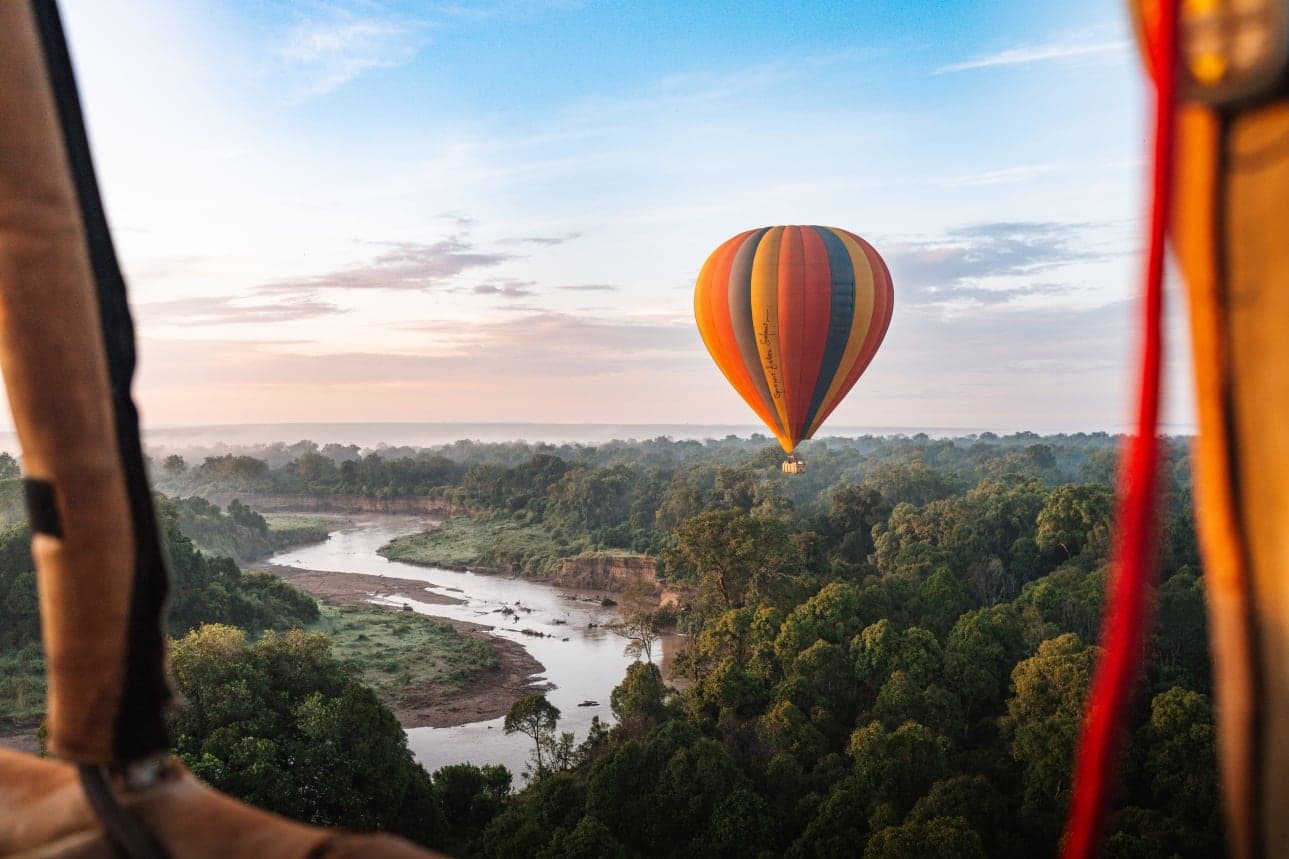
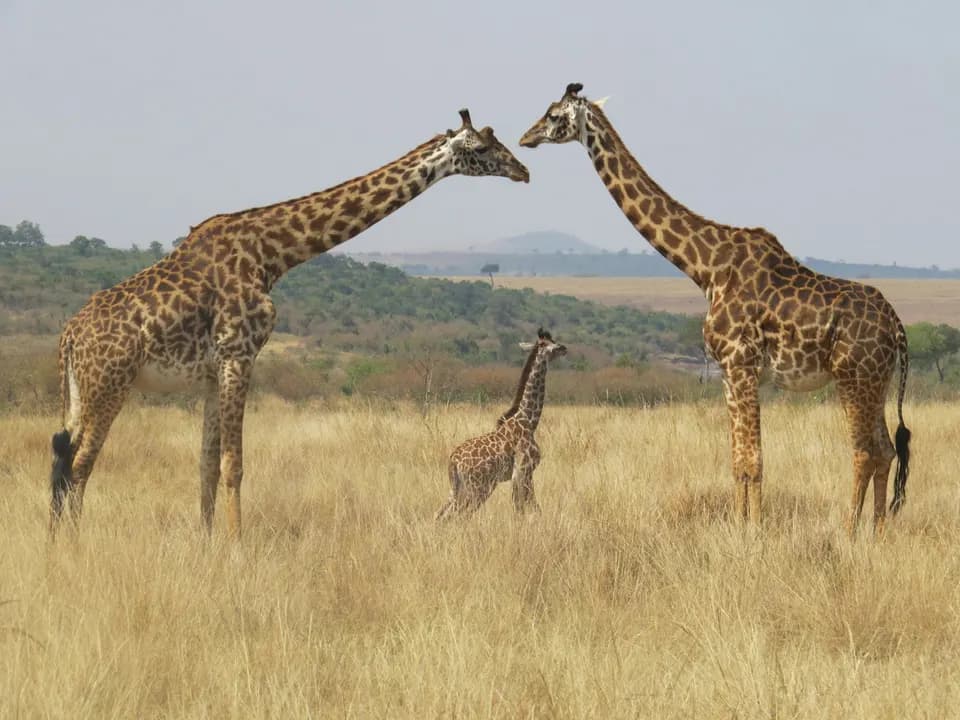
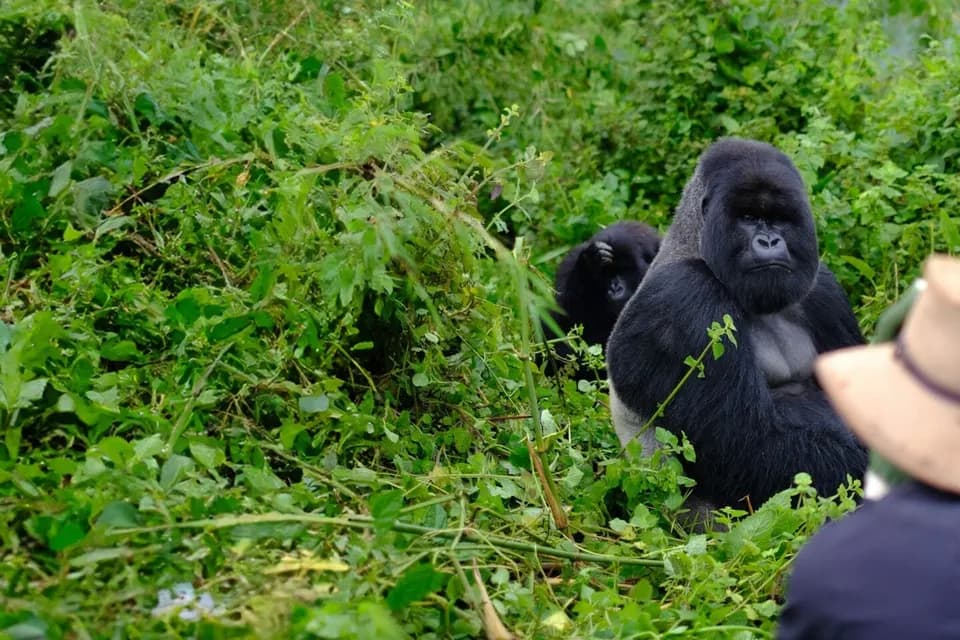
Kenya is one of the easiest safaris to reach from the UK. At the time of writing, British Airways and Kenya Airways fly nonstop from London to Nairobi overnight. You land in the morning just two or three hours ahead of UK time, and with a same-day light-aircraft connection you can be watching lions in the Maasai Mara that afternoon.
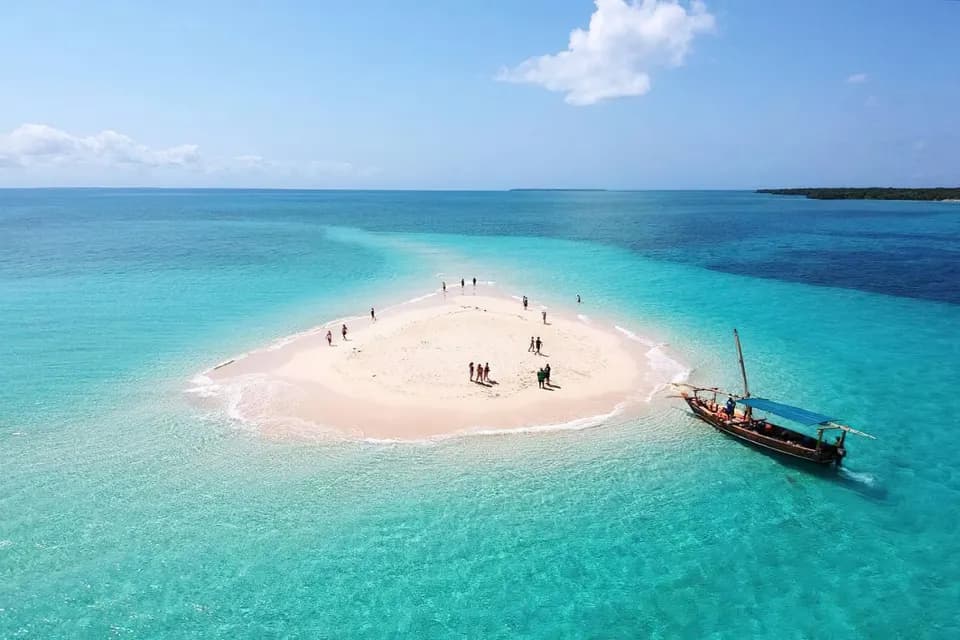
That short time difference changes how a Kenya trip feels. There's no jet-lag hangover to plan around, so even a week works and families can make the most of half-term. Add Amboseli for elephants beneath Kilimanjaro, or finish on the Indian Ocean: Kenya's own coast around Diani and Watamu, or Zanzibar, a short flight from Nairobi.
For British travelers, the main planning questions are which school holiday to use, whether to stay in the national reserve or a private conservancy, and whether to fly or drive between parks. A travel designer works through all of it with you and builds a draft itinerary around your dates and budget. Every journey is customizable, and you pay nothing until you've approved your itinerary and quote.
Safari without the jet lag. An overnight flight and a two- or three-hour time difference mean you arrive ready to go, which matters on a school-holiday week.
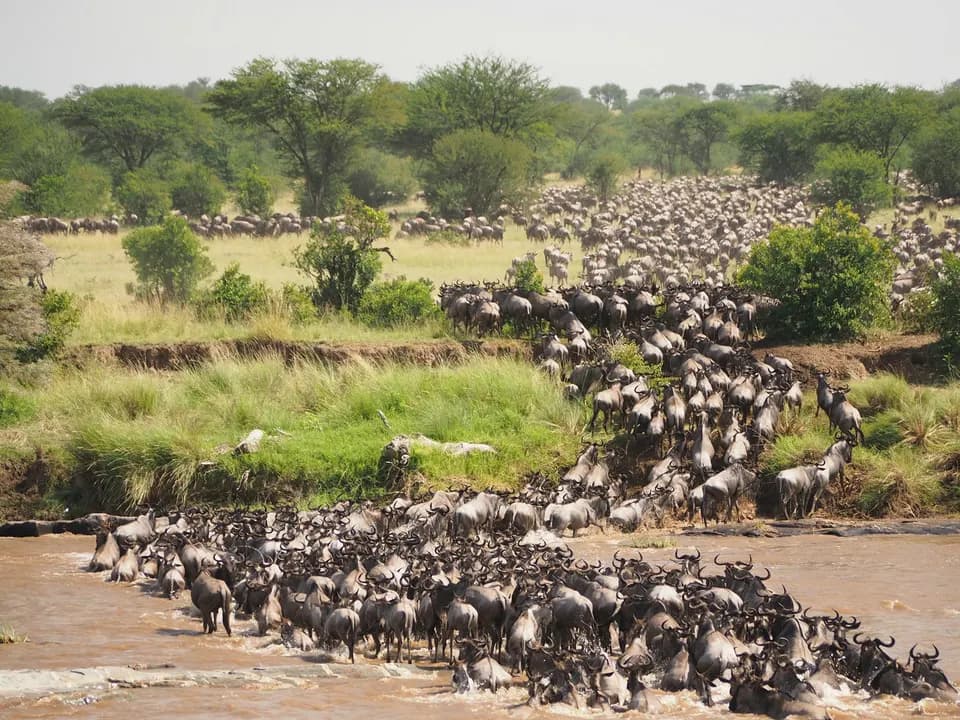
The migration in the summer holidays. The Great Migration usually reaches the Mara in July and stays until around October, lining up with the long summer break and October half-term.
Conservancies for families and repeat visitors. Private conservancies bordering the Mara reserve limit vehicle numbers and allow guided walks and night drives, which the reserve itself does not.
A familiar feel. English is widely spoken, traffic keeps to the left, and the plugs are the same as at home.
Bush and beach. Diani and Watamu on Kenya's coast, or Zanzibar across the water, turn a safari into a two-center holiday without another long-haul flight.
Birds as well as big game. Kenya is one of Africa's great birding countries, from the Mara's raptors to the flamingos and fish eagles of the Rift Valley lakes, a real bonus for keen British birders.
Getting there
Nonstop from London
At the time of writing, British Airways and Kenya Airways fly nonstop from Heathrow to Nairobi's Jomo Kenyatta International Airport, and Kenya Airways also flies from Gatwick. The flight takes roughly 8.5–9 hours and usually runs overnight, arriving in Nairobi in the morning.
From regional airports
From Manchester, Birmingham, Edinburgh or Glasgow, one-stop routings via Amsterdam (KLM), Dubai (Emirates), Doha (Qatar Airways) or Istanbul (Turkish Airlines) can be simpler than getting to London. Allow roughly 13–17 hours in total.
Onward to the parks
Light aircraft to the Mara, Amboseli and other parks leave mainly from Wilson Airport, Nairobi's domestic airfield, which is usually 30–60 minutes by road from the international airport depending on traffic. Mara flights take about an hour. Driving is cheaper but takes five to six hours each way.
If your flight lands early enough, you can connect to a late-morning safari flight the same day; otherwise, a night in one of Nairobi's leafy suburbs is an easy start.
When to go
Summer holidays (late July–August). Peak migration season in the Mara, with river crossings most likely from August, plus dry, sunny days and cool mornings. It's the most popular time of year, so book 9–12 months ahead.
October half-term. Often still excellent: the herds are usually in the Mara into October, and the parks are calmer once the summer rush is over.
Christmas and New Year. Dry and green after the short rains, with great resident wildlife and beach weather on the coast. Family rooms go early for the festive weeks.
February half-term. Warm and dry, and a lovely time for Amboseli, where Kilimanjaro is often clear in the early morning, and for the coast.
Easter holidays. The long rains usually arrive in late March or April and continue into May, when some camps close. An early Easter can still work, but South Africa is often the safer choice.
May half-term and June. The rains are easing and the grass is long and green, and June is a good-value shoulder month before the summer peak.
Budget & value
What shapes the cost of a Kenya safari from the UK:
School holidays. July–October and the Christmas weeks carry peak camp rates, which is when most families travel. If you can go in June, November or early March, the same camps often cost noticeably less.
Flights. Fares on the nonstop flights tend to be highest in school holidays; one-stop routings from regional airports can sometimes save money or a trip to London.
Reserve or conservancy. Conservancy camps usually cost more but include limited-vehicle game drives, walks and night drives.
Flying or driving between Nairobi and the parks.
Children's rates. Many camps offer reduced rates for children sharing with parents, and some have family tents; policies vary from camp to camp.
As a rough guide only, mid-range tented camps in and around the Mara often work out at roughly US$400–900 per person per night in peak season (shown on our site as approximate pound conversions), including meals, game drives and fees. Final pricing depends on dates, hotels, group size and itinerary.
Practical tips
Time difference: 2 hours ahead of the UK in summer (BST) and 3 hours in winter.
Plugs: the same Type G three-pin sockets as the UK, at 240 volts, so you won't need an adapter.
Money: bring US dollars in clean, recent notes for tips; sterling is less useful outside Nairobi. Cards work at most lodges. If a card machine offers to charge you in pounds, choose shillings or dollars instead.
Phone: check whether your UK plan covers Kenya, as many don't. Local SIMs must be registered with your passport, or buy an eSIM before you go.
Luggage: soft bags, typically around 15 kg including hand luggage, for flights to the parks.
Plastic bags: banned in Kenya (duty-free bags included), so repack before you land.
Health and entry: talk to your GP or a travel clinic well before departure, and see the Entry requirements section for verified guidance for British passport holders, with official sources (including FCDO travel advice) and last-checked dates.
Entry requirements: the United Kingdom → Kenya
Entry rules change. Here is what official sources said when we last checked — always confirm with the official source and your airline before you travel.
Visa & entry
At our last check, British citizens needed an approved electronic travel authorization (eTA) before traveling to Kenya, applied for only through the official eTA website or app. FCDO asked for a passport valid for at least six months from arrival, with at least two blank pages.
Read more
eTA. Apply on Kenya's official eTA portal or the official "Kenya Travel Authorisation" app. Every traveler needs their own approved eTA before the journey starts, including infants and children, and you show it at departure and on arrival. If you already hold a valid Kenyan visa, you can use it until it expires.
Timing: processing typically takes three working days; Kenya's immigration service recommends applying at least two weeks before you travel.
Cost: at the time of checking, a standard single-entry eTA was US$30, with an expedited option at extra cost. Fees are non-refundable, and an application with mistakes may need to be resubmitted and paid for again.
You'll need: your passport, a selfie or passport-style photo, contact details, your arrival and departure itinerary, accommodation booking confirmations and a payment card.
Passport. FCDO asks for at least six months' validity from your arrival date and at least two blank pages (the eTA portal lists one, so plan on two).
Health and customs. You need a yellow fever certificate if you arrive from a country with yellow fever transmission risk. At our last check, arrivals from Uganda, Ethiopia and the DRC could face enhanced Ebola screening. Bringing a drone requires prior approval from the Kenya Civil Aviation Authority.
Rules change — always confirm with the official source before you travel, and check the requirements of any country you transit.
This is general guidance, not legal advice. Requirements depend on your nationality, passport and route. Always verify with official authorities before departure.
Journeys to inspire you
Use our featured journeys as inspiration. We'll tailor the dates, hotels, activities, pace and budget around you.
Yes. At the time of writing, British Airways and Kenya Airways fly nonstop from Heathrow to Nairobi, and Kenya Airways also flies from Gatwick. The flight takes around eight and a half to nine hours and usually runs overnight, so you land in the morning. From Nairobi, light aircraft reach the Maasai Mara in about an hour.
There are no direct UK flights to Mombasa or Zanzibar at present, so beach add-ons connect via Nairobi. From regional airports, one-stop routings via Amsterdam, Dubai, Doha or Istanbul are often easier than getting to London. Schedules change, so we check current options for your dates.
Is a safari family-friendly for UK school holidays?
Yes, and the timing works well. The summer holidays fall in East Africa's dry season, when the Great Migration usually reaches Kenya's Maasai Mara, and October half-term is still excellent for safari. At Christmas and February half-term, South Africa combines game drives with Cape Town's summer.
For younger children, we look at family-friendly camps, private vehicles (so you set the pace), shorter transfers and each lodge's minimum-age rules for game drives, which vary. School-holiday weeks are the busiest of the year, so start planning 9 to 12 months ahead.
Do British travelers need a visa for Kenya, South Africa or Mauritius?
Entry requirements for British passport holders vary by destination and can change, so we don't state them from memory. The Entry requirements section on this page lists verified guidance for each country, with links to official sources, including the FCDO's foreign travel advice, and the date each item was last checked.
Always confirm the current rules with the FCDO and the destination's official immigration website before you book flights, and check your passport's expiry date and blank pages early. Your travel designer can point you to the right official sources as your plans take shape.