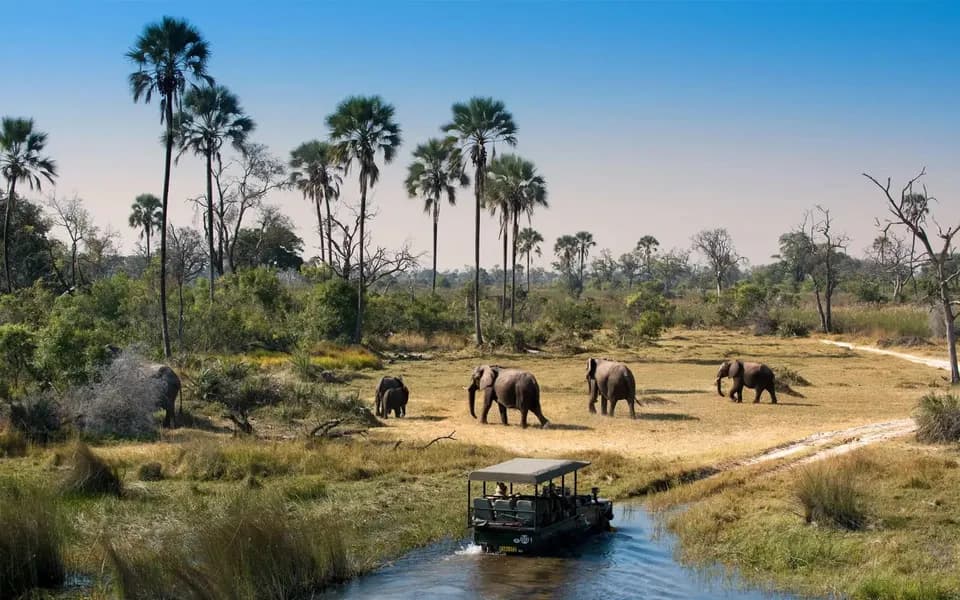
 9 days
Okavango & Victoria Falls
Falls, River & Delta
- Two fly-in camps in the Okavango Delta
- Best May–Oct
From$7,500approx. ≈ £5,650approx. ≈ CA$10,300approx. ≈ A$11,400approx. ≈ €6,450per person sharing
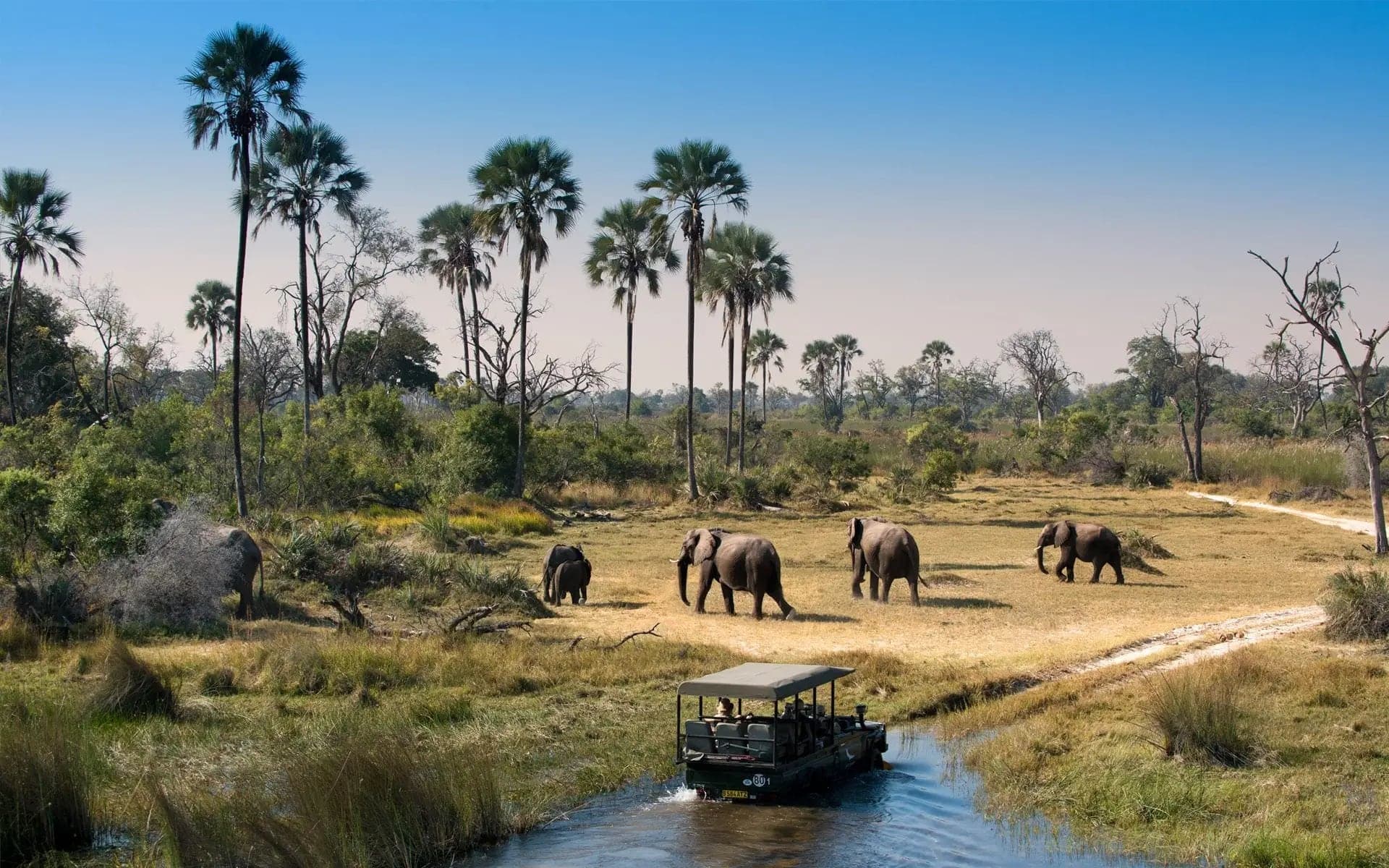
The Okavango Delta is a vast inland wetland in the Kalahari, where seasonal floods create a maze of channels, lagoons and islands. Explore by mokoro, boat, vehicle and on foot from intimate camps in private concessions.
The Okavango is a river that never reaches the sea. Rising in the highlands of Angola, it flows southeast into Botswana and spreads across the flat sands of the Kalahari, forming one of the largest inland deltas on Earth: a shifting mosaic of papyrus-lined channels, lagoons, floodplains and islands crowned with palms and fig trees.
Its rhythm is remarkable. Rain that falls in Angola in the southern summer arrives months later, so the Delta is at its fullest in the middle of Botswana's dry season. In 2014 it was inscribed as a UNESCO World Heritage Site.
Wildlife here has adapted to a world that is half land, half water. Red lechwe splash across the floodplains, shy sitatunga hide in the reed beds and elephants wade between islands. Lions, leopards and African wild dogs hunt across the drier islands and woodlands, while hippos and crocodiles fill the channels. Birdlife is spectacular, from African fish eagles and bee-eaters to the elusive Pel's fishing owl.
Water-based camps focus on mokoro excursions, silent journeys in traditional dugout canoes (today often made of fiberglass) poled by local guides, as well as motorboat trips and catch-and-release fishing. Land-based camps, often on the Delta's edges or in the Moremi Game Reserve, offer game drives, night drives and guided walks. Many camps combine both, depending on water levels, and scenic helicopter flights reveal the Delta's patterns from above.
Much of the Delta is divided into large private concessions, each with only a few small camps, some leased from local community trusts. This low-density model means sightings are rarely shared and the wilderness feels truly wild.
We usually recommend at least three or four nights, ideally split between a water camp and a land camp, with light-aircraft flights in between. Our Okavango & Victoria Falls journey combines the Delta with Chobe and the falls, and we'll tailor it to your season and budget.
Mokoro excursions
Glide silently through lily-covered channels in a traditional canoe, at eye level with reed frogs and water birds.
Water and land camps
Combine boat and mokoro trips with game drives and walks by staying at two contrasting camps.
Moremi Game Reserve
Explore the Delta's protected eastern heart, known for its predators and prolific wildlife.
Helicopter flights
See the channels, islands and elephant trails from above, often with the doors off for photography.
African wild dogs
Look for painted wolves, among the most endangered large carnivores in Africa, in one of their strongholds.
Birding paradise
Spot fish eagles, carmine bee-eaters, wattled cranes and, with luck, the rare Pel's fishing owl.
Best months
From about June to August the flood is usually at its highest, the weather is dry and pleasantly warm by day, and mokoro trips are at their best, though mornings and nights can be very cold. September and October bring excellent game viewing as animals concentrate around water, but October temperatures can approach 40°C (104°F).
The green season, roughly November to March, brings summer rains, lush scenery, newborn animals, migratory birds and lower rates, although lower water can limit some water activities. April and May form a quieter shoulder period as the floodwaters arrive.
Maun Airport (MUB), on the Delta's southeastern edge, is the main gateway, with flights from Johannesburg, Gaborone and, on some schedules, Cape Town. Kasane (BBK), near Chobe, is the other hub in northern Botswana.
From Maun, scheduled light-aircraft flights of typically 20 to 50 minutes connect with camp airstrips throughout the Delta, and the flights themselves offer superb views. Luggage is usually limited to about 20 kilograms (44 pounds) per person in soft bags. A few camps on the Delta's edges can also be reached by road from Maun.
Use our featured journeys as inspiration. We'll tailor the dates, hotels, activities, pace and budget around you.
9 daysFalls, River & Delta
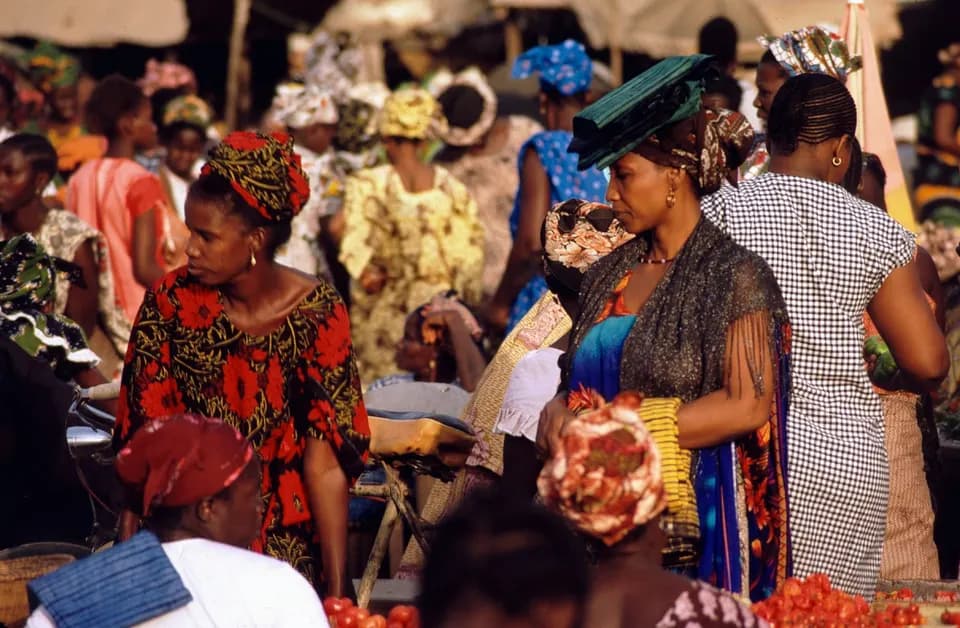
Travel done well supports wildlife, conservation and local livelihoods. This practical guide covers choosing lodges and guides, ethical wildlife encounters, respectful community visits, shopping, plastic, flights and tipping.
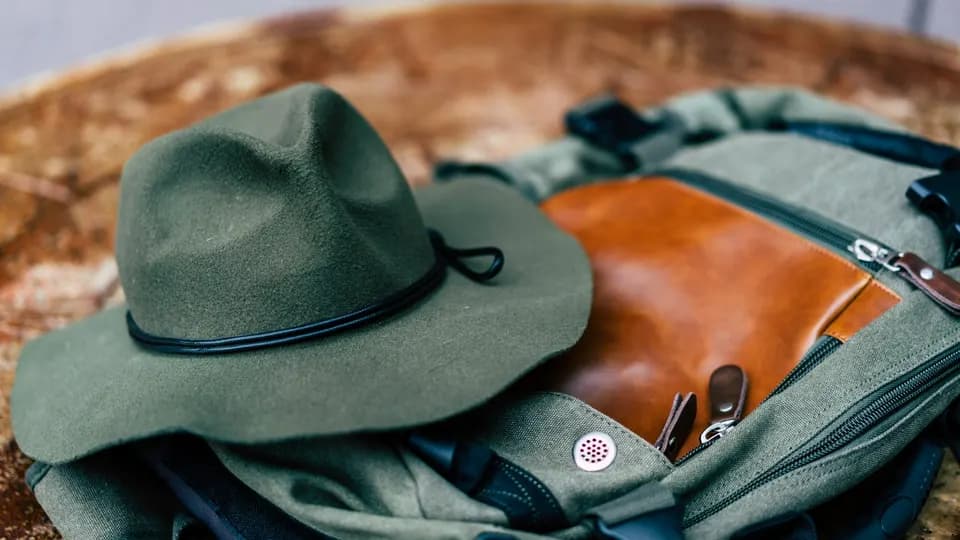
Pack less than you think, in a soft bag, with layers for cold mornings. Our practical safari packing list covers clothing, gorilla trekking gear, binoculars and cameras, documents, and the things to leave at home.
Africa trips range from good-value road journeys to once-in-a-lifetime fly-in safaris. Here is what really drives the price, from season and lodge style to private guiding, flights and park fees, and how to get the most from your budget.
Tell us how you like to travel and we’ll shape an itinerary — the pace, the places, the stays — around you. No payment to start planning.