 9 days
Okavango & Victoria Falls
Falls, River & Delta
- Two fly-in camps in the Okavango Delta
- Best May–Oct
From$7,500approx. ≈ £5,650approx. ≈ CA$10,300approx. ≈ A$11,400approx. ≈ €6,450per person sharing
Southern Africa
The Okavango Delta’s waterways, wildlife and remote camps
Overview
Botswana is safari at its most exclusive: glide through the Okavango Delta by mokoro, watch great elephant herds along the Chobe River and explore the salt pans of the Kalahari. Low-volume tourism keeps sightings wonderfully private.
Botswana has built its safari reputation on a simple idea: fewer visitors, more wilderness. Large private concessions, a limited number of beds and a national policy of high-value, low-volume tourism mean you may share a sighting with no one but your guide. Add a vast inland delta, the world's largest population of African elephants and the silent expanses of the Kalahari, and it's easy to see why so many experienced safari travelers keep coming back.
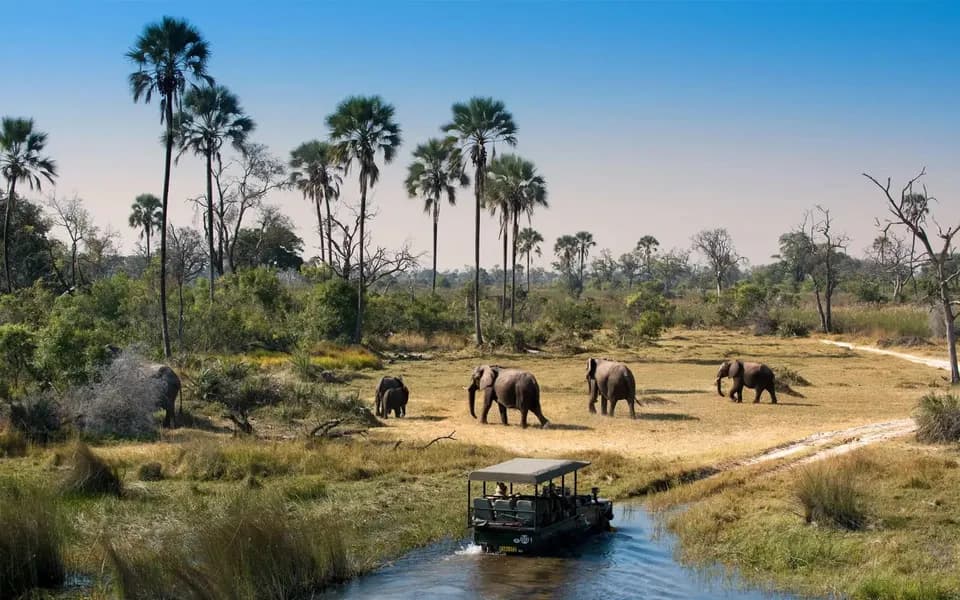
The Okavango Delta, a UNESCO World Heritage Site, forms where the Okavango River spreads across the Kalahari instead of reaching the sea. Its channels, lagoons and palm-fringed islands support elephant, lion, leopard, African wild dog, hippo and red lechwe, along with outstanding birdlife.
Here you can explore by 4x4, by motorboat, on foot and by mokoro, a traditional dugout canoe poled silently through the reeds by a local guide.
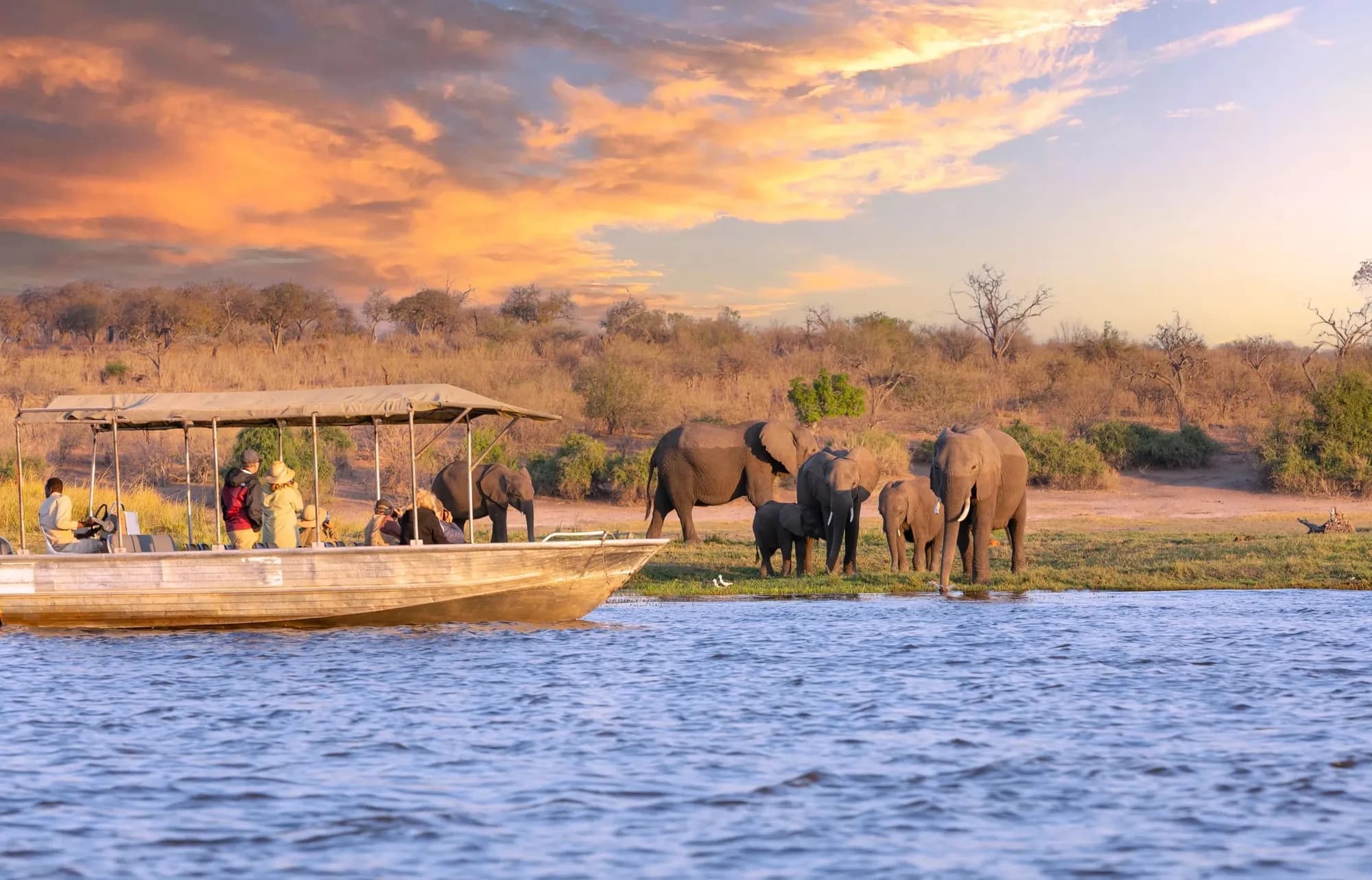
In the north, Chobe National Park is famous for its elephants, especially along the Chobe River in the dry season, when afternoon boat trips bring you close to bathing herds, buffalo and hippos. The Linyanti and Savuti regions, farther west, are known for predator action and private concessions that offer walks and night drives. Kasane, the gateway to Chobe, is only about an hour and a half by road from Victoria Falls, which makes the two easy to combine.
To the south and east, the land opens into the salt pans of Makgadikgadi and Nxai Pan, where habituated meerkats, ancient baobabs and a green-season zebra migration add a completely different dimension. The Central Kalahari Game Reserve, one of Africa's largest protected areas, is known for black-maned lions and green-season gatherings of springbok and oryx.
Most Botswana safaris are fly-in: small aircraft hop between camp airstrips, turning transfers into scenic flights. We combine water-based and land-based camps so you experience the full range of activities, and plan around the seasonal flood.
Botswana is a premium destination, and we'll be upfront about costs and look for value in the timing, such as the shoulder and green seasons. It pairs naturally with Victoria Falls, as on our Okavango & Victoria Falls journey.
Why visit Botswana
Glide through papyrus-lined channels in a traditional dugout canoe, looking for reed frogs, kingfishers and elephant tracks.
Enjoy game drives, night drives and walks in concessions where only a handful of vehicles operate.
Watch elephant herds drink and swim from a boat on the Chobe River, especially in the dry months.
Explore vast, shimmering salt pans, meet habituated meerkats and sleep out beneath an extraordinary night sky.
Search for black-maned lions and green-season herds in one of Africa's largest wildernesses.
Fly low over the Delta's channels and islands, where the view from above reveals the true scale of the flood.
Where to go
Featured journeys
Use our featured journeys as inspiration. We'll tailor the dates, hotels, activities, pace and budget around you.
9 daysFalls, River & Delta
Plan your way
Tell us your dates, interests, travel style and budget. We’ll create an itinerary around you.
Free to start planning · No obligation · Tailored around you
When to go
Best months
Botswana's classic safari season runs from about May to October. Rain that falls in the Angolan highlands takes months to travel down the Okavango River, so the Delta's floodwaters usually peak around June to August, in the middle of the dry season, when wildlife concentrates around permanent water. July to October brings the densest game viewing and the highest demand, and by October it can be very hot.
The green season, roughly November to April, brings afternoon thunderstorms, lush landscapes, newborn animals and migrant birds. It's also when zebra move onto the Makgadikgadi and Nxai Pans and when the Central Kalahari is at its best. Rates are typically lower, and some water activities depend on water levels.
May, June and November are good-value shoulder months. Winter mornings and nights, from June to August, can be surprisingly cold, so pack warm layers for early drives.
Travel information
Money and tipping. The pula is the local currency, and US dollars are widely accepted at safari camps. Tipping guides, trackers and camp staff is customary, usually at the end of each stay, and we'll send current guidelines.
Luggage. Light aircraft typically limit you to soft-sided bags of about 20 kilograms (44 pounds), including hand luggage and camera gear. We'll confirm the allowance for your flights.
Dress. Neutral colors such as khaki, olive and tan are best on safari. Avoid dark blue and black, which attract tsetse flies in some areas, and bring warm layers for winter mornings.
Photography. Ask before photographing people. Drones require permits.
Connectivity. Many camps offer Wi-Fi only in the main area, and some are deliberately offline. Mobile coverage is good in towns such as Maun and Kasane.
Safety. Botswana is stable and straightforward to travel. In camp, follow your guides' instructions: most camps are unfenced, and wildlife moves through at night.
For visas and health, see our entry requirements guidance and official sources.
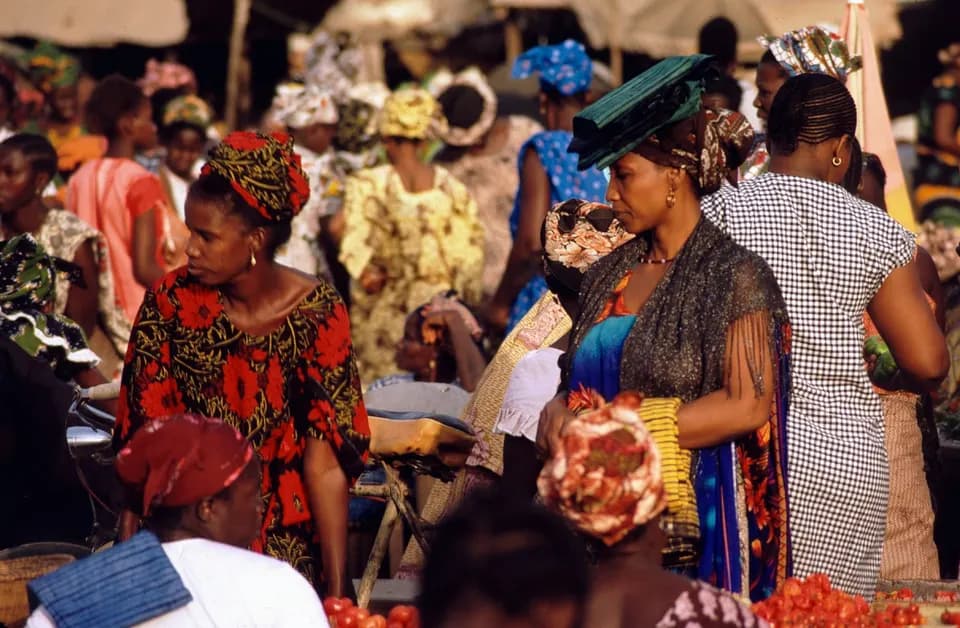
Travel done well supports wildlife, conservation and local livelihoods. This practical guide covers choosing lodges and guides, ethical wildlife encounters, respectful community visits, shopping, plastic, flights and tipping.
Pack less than you think, in a soft bag, with layers for cold mornings. Our practical safari packing list covers clothing, gorilla trekking gear, binoculars and cameras, documents, and the things to leave at home.
Africa trips range from good-value road journeys to once-in-a-lifetime fly-in safaris. Here is what really drives the price, from season and lodge style to private guiding, flights and park fees, and how to get the most from your budget.
Tell us how you want to travel. We’ll build the itinerary around your dates, interests and budget.