Ask ten people what an Africa trip costs and you'll get ten different answers, all of them partly right. A week exploring Morocco or Tunisia with a private driver costs a fraction of a week in Botswana's fly-in camps, and the same safari can vary a lot in price depending on the month and the lodges you choose.
Rather than quote a single number, this guide explains what actually drives the cost of a tailor-made trip, so you can set a realistic budget and decide where your money matters most. Any figures below are rough guidance only, at the time of writing, and your own quote will always be specific to your dates and choices.
A rough sense of scale
As a very general guide, per person, based on two people sharing:
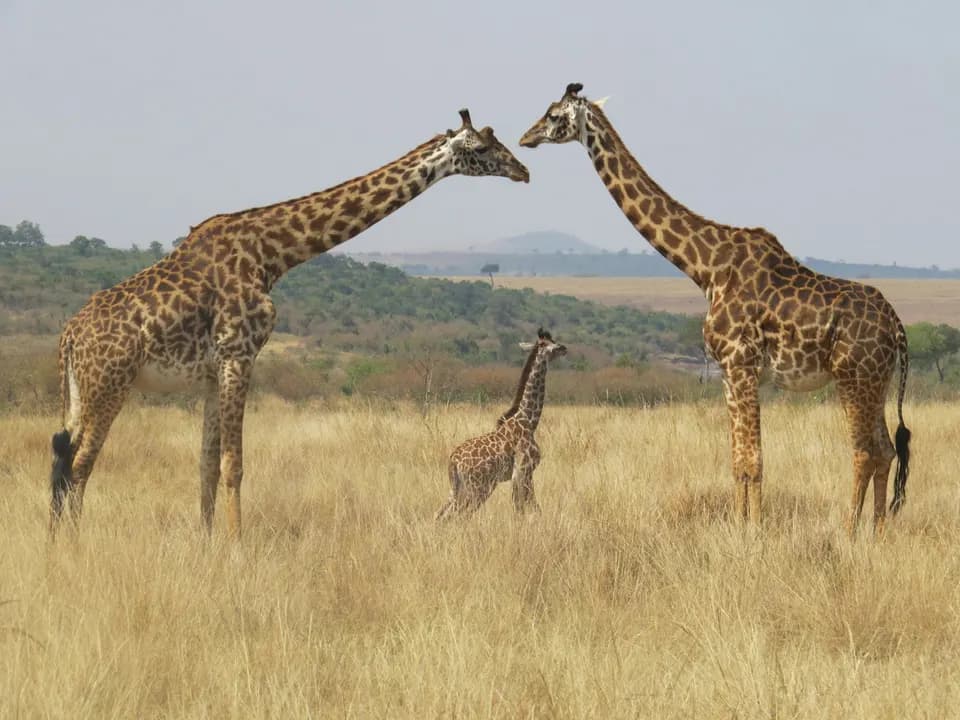
- Comfortable mid-range safari lodges and tented camps in East Africa or in South Africa's private reserves often fall somewhere between about $400 and $900 per night, usually including meals and game drives.
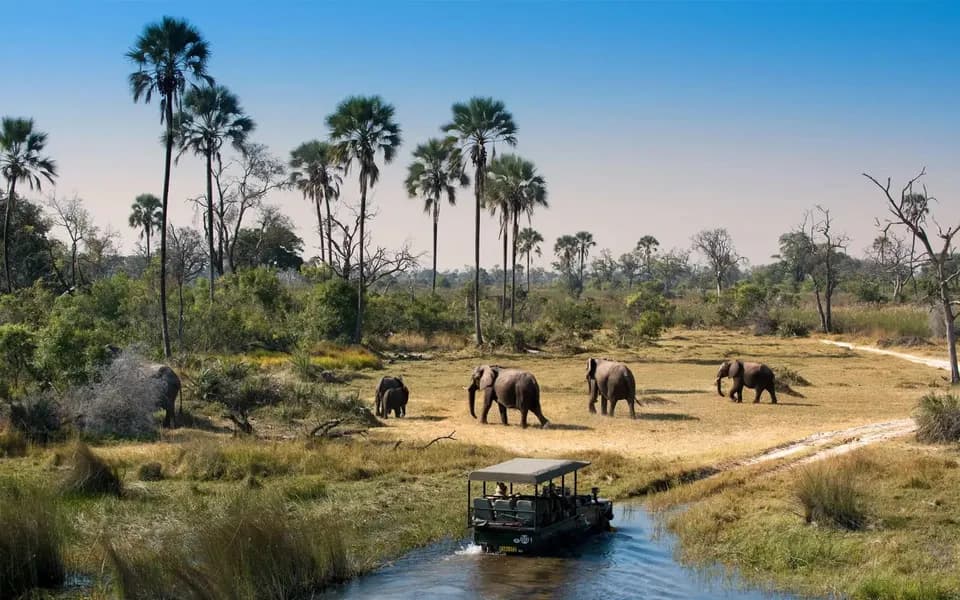
- High-end and remote fly-in camps, such as many in Botswana's Okavango Delta, frequently cost more than $1,000 per night and considerably more in peak season.
- Good beach hotels on Zanzibar, Mauritius or the Seychelles can range from about $150 to well over $600 per night, depending on style and season.
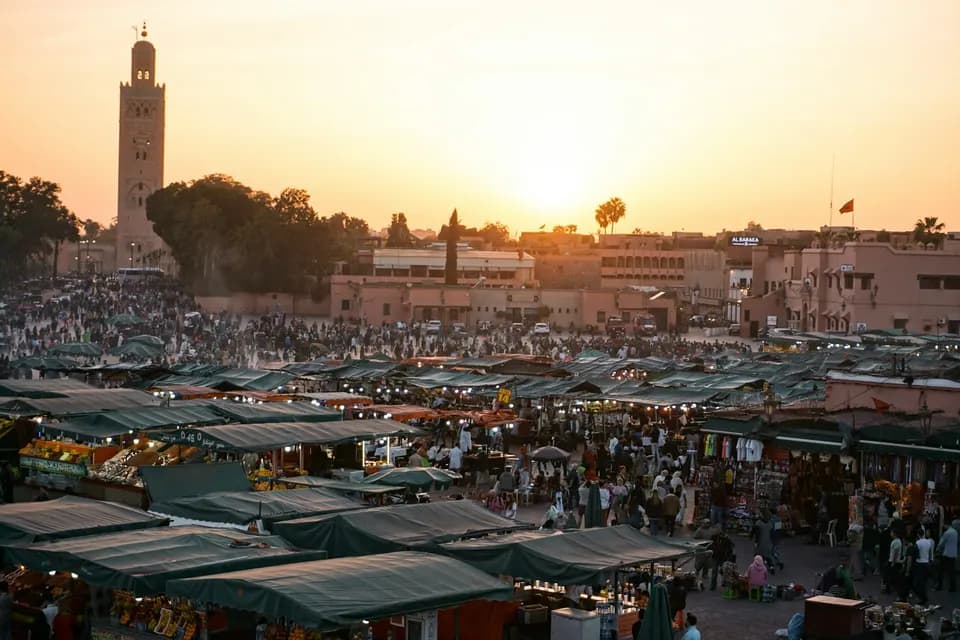
- City hotels, riads and guesthouses in places like Cape Town, Marrakech or Cairo are often in the $80 to $300 range.
On top of accommodation come guiding, transport, flights, park fees and activities. The rest of this guide explains how those pieces add up.
What drives the cost
1. When you travel
Season is one of the biggest factors. Peak months, such as the East African dry season from about July to October and the Christmas and New Year period, carry the highest rates. Shoulder months often offer similar conditions for less, and the green season can bring significant savings in exchange for some rain and a few closed camps. School breaks in your home country matter too, because they shape demand at family-friendly lodges.
2. Your style of accommodation
Where you sleep is usually the single largest line in the budget. The jump from comfortable to luxury can be dramatic, and it isn't always about thread counts: a camp's location can matter more than its décor. A simpler camp in the right spot during the migration can outshine a lavish lodge an hour's drive from the action. We'll show you where a splurge genuinely changes the experience and where it doesn't.
3. Where the camp is
Camps inside national parks and reserves often pay concession fees and charge more than lodges just outside, but staying inside saves hours of driving and gives you early access to the best light. Private conservancies and reserves typically cost more again, but they limit vehicle numbers and allow activities such as walks and night drives.
4. Private or shared guiding
Most lodges run game drives in shared vehicles with a small group of guests, which is included in your rate. A private vehicle and guide costs extra but gives you complete control of the day. On road-based safaris in East Africa, the vehicle and guide are a daily cost, so they work out cheaper per person for a family or a group of friends than for a couple.
5. Flying versus driving
Light-aircraft flights between parks save time and are often the only practical way to reach remote camps, but they add cost and come with strict luggage limits. Road transfers are cheaper and let you see the countryside, but they use up days. Most good itineraries mix the two.
6. Park fees, permits and conservation levies
Park and conservation fees are charged per person, per day, and can be substantial in places like Tanzania's northern parks. Special permits cost more again; Rwanda's gorilla trekking permit is a well-known example. These fees fund rangers, anti-poaching work and community programs, and they change from time to time, so we always quote current rates.
7. Group size and rooms
Prices are usually quoted per person based on two sharing. Solo travelers often pay a single supplement, although some camps waive or reduce it at quieter times. Families can benefit from children's rates and family rooms, while larger groups can share vehicles and guides. Our pages for solo travelers cover ways to keep supplements down.
8. Special experiences
Hot-air balloon flights, helicopter rides, private dinners in the bush and exclusive-use villas are wonderful, but they add up. We'll help you choose the one or two that matter most rather than including everything by default.
What's included, and what usually isn't
A typical tailor-made quote from us covers accommodation, the meals listed, guiding and activities, ground transport, internal flights and park fees for the planned itinerary. It usually does not include:
- International flights (we can advise on routings)
- Visas or entry fees, which depend on your nationality
- Travel insurance
- Tips for guides and staff
- Premium drinks and personal spending
Every inclusion and exclusion is listed clearly in your written proposal, so there are no surprises.
Where your money goes
A well-run safari supports a lot of people: guides, trackers, housekeepers, chefs, drivers, and the communities and conservancies that lease their land for tourism. Park fees help pay for the rangers who protect wildlife. Choosing good operators and lodges that employ and train local staff is one of the most effective ways your trip can do good.
How to get more from your budget
- Travel in the shoulder season, when conditions are often excellent and rates are lower.
- Stay longer in fewer places. Moving every night adds transfer costs and wastes time.
- Mix your levels. Splurge on the camp where location matters most and choose comfortable, characterful hotels elsewhere.
- Look beyond the famous names. Lesser-known parks and conservancies can offer superb wildlife with fewer vehicles.
- Consider value-rich destinations. A trip like our Morocco Medina + Desert journey delivers a lot of variety for a moderate budget.
- Be flexible on dates if you can. A shift of a week or two can change availability and price.
Why we show "from" prices
Each of our sample journeys shows an estimated "from" price per person, such as on our Okavango & Victoria Falls journey. It's an honest starting point for a comfortable version of that trip in a typical season, not a fixed package price. Final pricing depends on dates, hotels, group size and itinerary.
When you request a trip, a travel designer builds a proposal around your priorities and budget, with a clear quote. You can refine it as many times as you need. You only pay after you've approved your itinerary and quote, when Travel Ease sends payment instructions or a secure payment link. You can read more about how it works.
Tell us your budget
The most useful thing you can do is share a realistic budget range when you plan your trip, and tell us whether it includes international flights. It isn't a commitment; it simply helps us design something you'll love at a price that works, and explain the trade-offs honestly if your wish list and budget don't yet match.