A first safari comes with plenty of questions. How early do you really get up? Will you see lions? Is it comfortable? Will you get bored sitting in a vehicle? This guide walks you through a typical day and the practical details, so you arrive knowing what to expect and can simply enjoy it.
Routines vary between countries, parks and camps, but most safaris follow the same basic rhythm, shaped by the animals and the heat of the day.
A typical safari day
The early wake-up
Expect a gentle knock or a call outside your tent at around 5:30 or 6:00 a.m., often with coffee or tea delivered to your veranda. Some camps serve a light breakfast before you head out; others pack it for later. It feels early, but this is when the bush is most alive: predators are finishing their night's activity and the light is soft and golden.
The morning game drive
Most morning drives last three to four hours. Your guide will follow tracks, listen for alarm calls and read the landscape, stopping for as long as a sighting deserves. Midway through, you'll usually pause somewhere safe for coffee and a snack, and some camps set up a full bush breakfast. Mornings in open vehicles can be surprisingly cold, even in hot countries, so layers make a big difference.
Brunch and the midday break
You'll typically return to camp in the late morning for brunch. The middle of the day is when most animals rest in the shade, and you'll do the same. Read on your veranda, swim if there's a pool, sort through photos or watch a waterhole from the deck. Some camps offer short guided walks, cultural visits or photography tips at this time. First-timers are often surprised by how welcome this break feels.
Afternoon tea and the afternoon drive
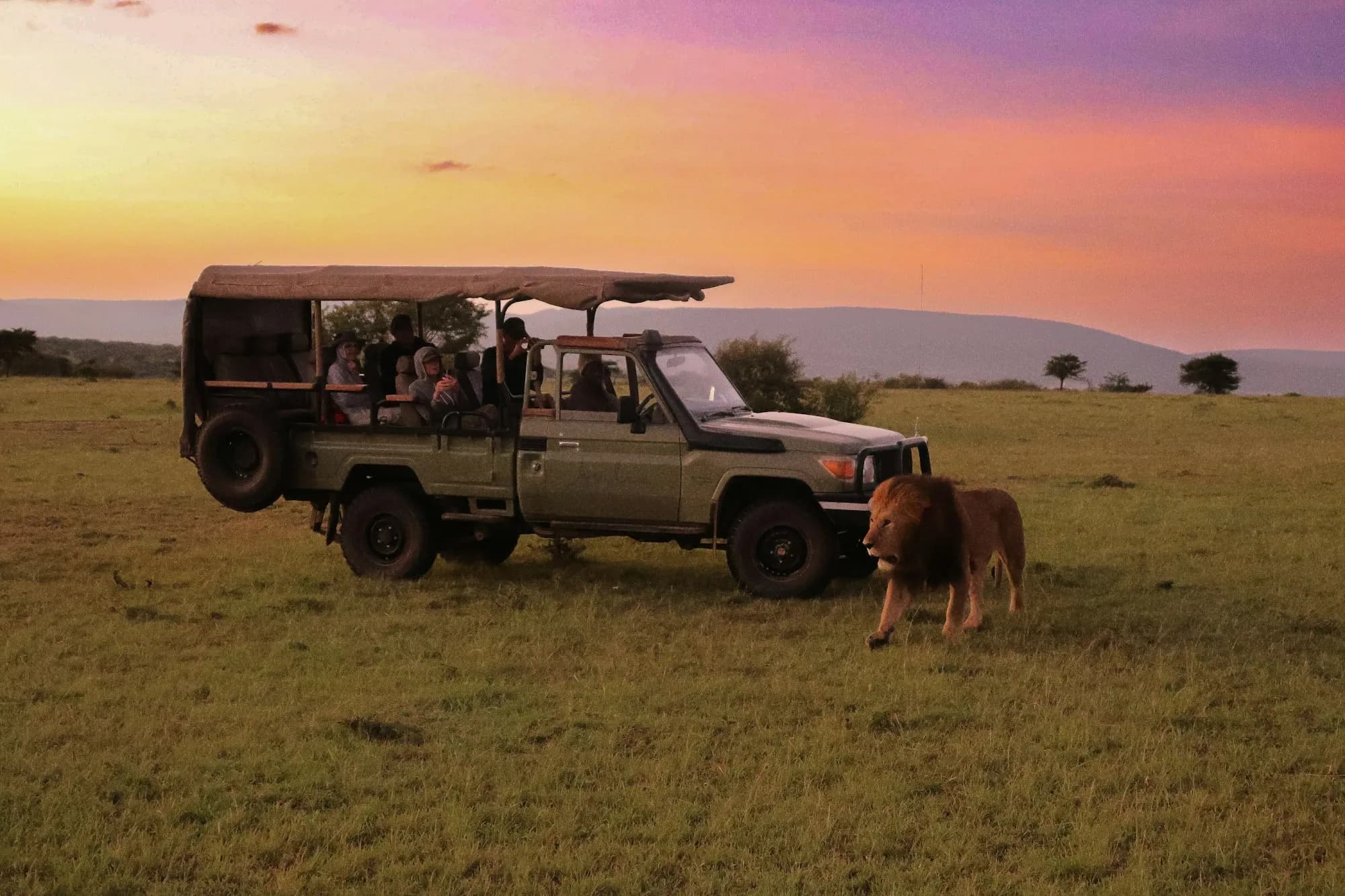
Around 3:30 or 4:00 p.m., there's afternoon tea, then you head out again as the heat eases. The afternoon drive usually ends with a "sundowner," a drink at a scenic spot as the sun sets. In many private reserves and conservancies, you'll return after dark with a spotlight, looking for nocturnal animals such as genets, bushbabies, hyenas and, with luck, leopards. Night drives are generally not permitted in many national parks, which is one reason we often recommend private areas.
Dinner and nightlife
Dinner is often served around a fire or under the stars, and it's a great time to swap stories with your guide and other guests. After dark, staff escort you back to your tent, because many camps are unfenced and animals move through freely. Falling asleep to the sound of hyenas or distant lions is part of the experience.
Vehicles: what to expect
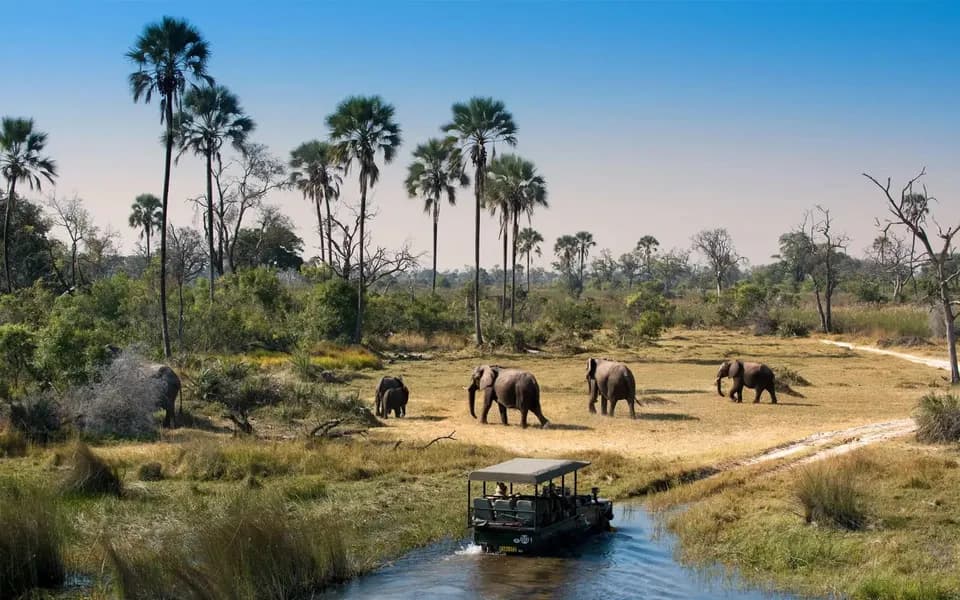
In East Africa, national parks and reserves typically use closed 4x4 vehicles with pop-up or open roofs, so you stand to look out and take photos. Private conservancies more often use open-sided vehicles. In southern Africa, including the private reserves around Kruger and the camps of Botswana, game drives usually take place in open vehicles with tiered seating, a ranger at the wheel and, often, a tracker at the front.
Game drives at lodges are usually shared with a small number of other guests. A private vehicle costs more but lets you set the pace, which is valuable for families with young children, keen photographers and anyone who wants to wait an hour at a den. We'll tell you where it's worth it and where the shared experience is already excellent.
What you'll (probably) see
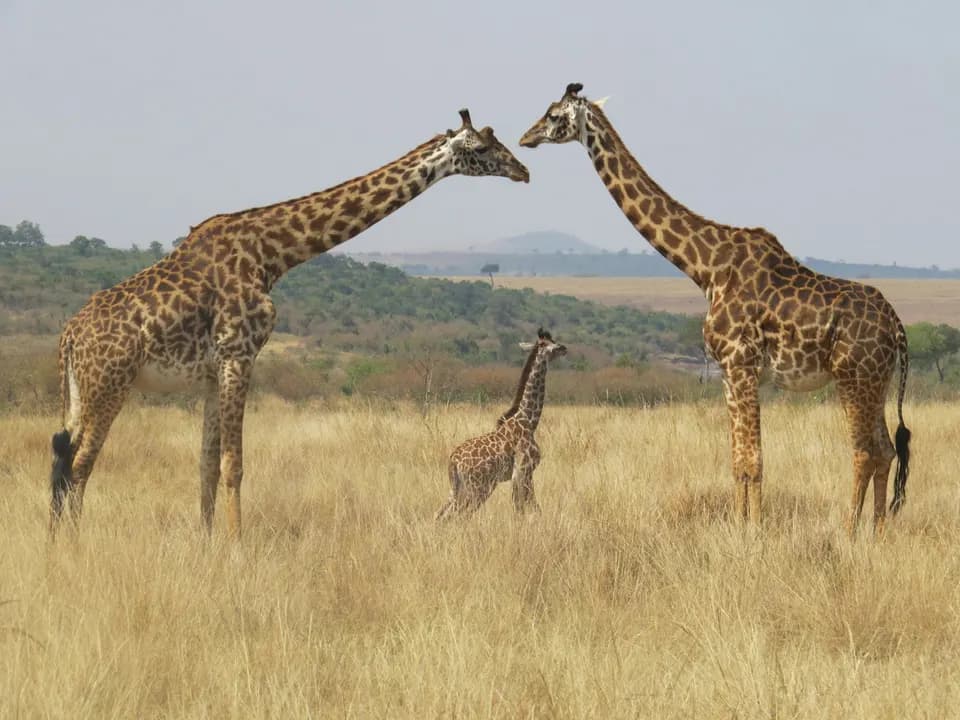
Wildlife is wild, so no sighting is ever guaranteed, and anyone who promises otherwise isn't being straight with you. That said, a well-planned safari in the right season usually delivers a remarkable variety of animals.
The "Big Five" (lion, leopard, elephant, buffalo and rhino) is a useful shorthand, but try not to treat it as a checklist. Leopards are elusive, and rhinos are rare or absent in many areas. Some of the best moments come from the unexpected: a family of elephants crossing a river, two cheetahs scanning the plains from a termite mound, or a lilac-breasted roller flashing color in the morning light. Good guides make the smaller things fascinating too.
More than game drives
Depending on where you go, your safari might also include:
- Guided walks with an armed ranger, focusing on tracks, plants and insects.
- Boat trips on rivers and lakes, which bring you close to hippos, crocodiles and elephants drinking.
- Mokoro excursions in Botswana's Okavango Delta, gliding through channels in a traditional canoe.
- Hot-air balloon flights over the Serengeti or the Maasai Mara at dawn.
- Community visits arranged with, and paid to, local communities.
Life in a safari camp
Many safari lodges are tented camps, but that rarely means roughing it. Expect proper beds, en-suite bathrooms and thoughtful service, with canvas walls that let you hear the bush around you. A few details are different from a hotel:
- Power may come from solar systems, with charging points in your tent or the main area.
- Wi-Fi is often limited, slow or available only in communal spaces. Many guests end up enjoying the break.
- Some remote camps use "safari showers," where hot water is filled on request.
- Light-aircraft flights between camps usually have strict luggage limits, typically soft bags only, so pack accordingly.
Safari etiquette
- Follow your guide's instructions. They're about your safety and the animals' welfare.
- Stay seated and keep limbs inside open vehicles, and keep voices low at sightings.
- Never feed animals, and don't ask your guide to break park rules to get closer.
- Be considerate of other vehicles at busy sightings, and give animals space.
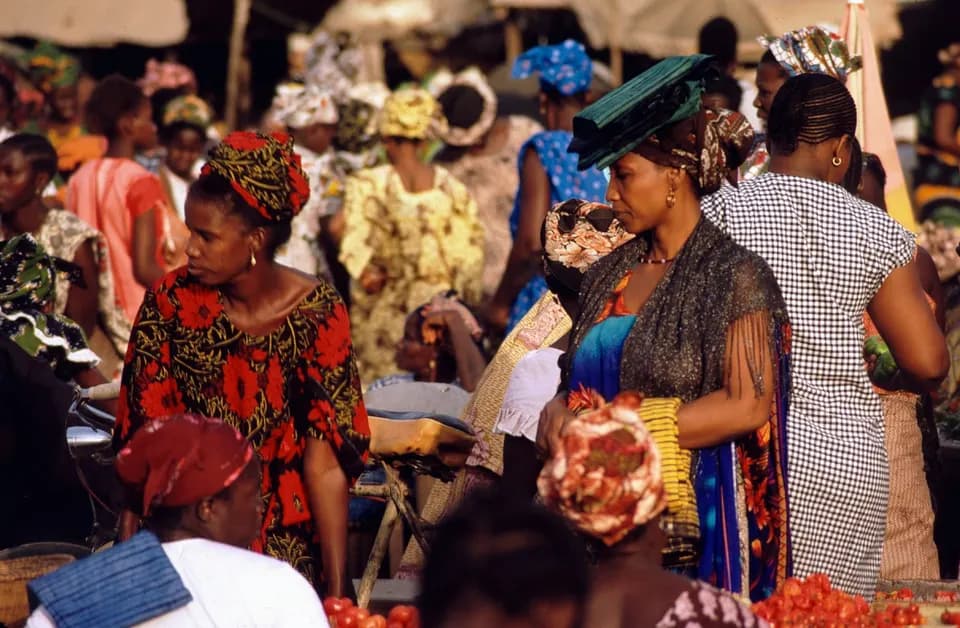
- Ask before photographing people, including in villages and at markets.
Comfort and health basics
Days are long and often dusty, so bring sun protection, a refillable water bottle and warm layers for the early mornings. If you're prone to motion sickness, bumpy roads can be tiring, and flying between camps may suit you better.
For vaccinations, malaria and other health questions, speak to a travel health professional well before you go. Entry rules also vary by nationality, so check the entry requirements for your nationality and the official sources we link to in our Travel to Africa section.
Tipping
Tipping guides, trackers and camp staff is customary in most safari destinations and makes a real difference to the people who look after you. Norms vary by country and type of camp, so we include up-to-date local guidance with your travel documents rather than guessing here.
How to pace a first safari
- Stay at least two, ideally three, nights per camp. One-night stays mean more packing and less wildlife time.
- Mix areas, not too many. Two or three different environments are plenty for a week.
- Fly when distances are long. Light-aircraft flights save hours on the road and offer beautiful views.
- Add a soft landing. A few days on a beach or in a city at the end helps you process everything you've seen.
Ready for your first safari?
If you're still choosing where to go, our Safari & Wildlife page compares the main regions. For inspiration, the Kenya Safari Adventure and Cape Town + Kruger journeys are both designed with first-timers in mind. When you're ready, tell us about your trip and a travel designer will shape a first safari around you.