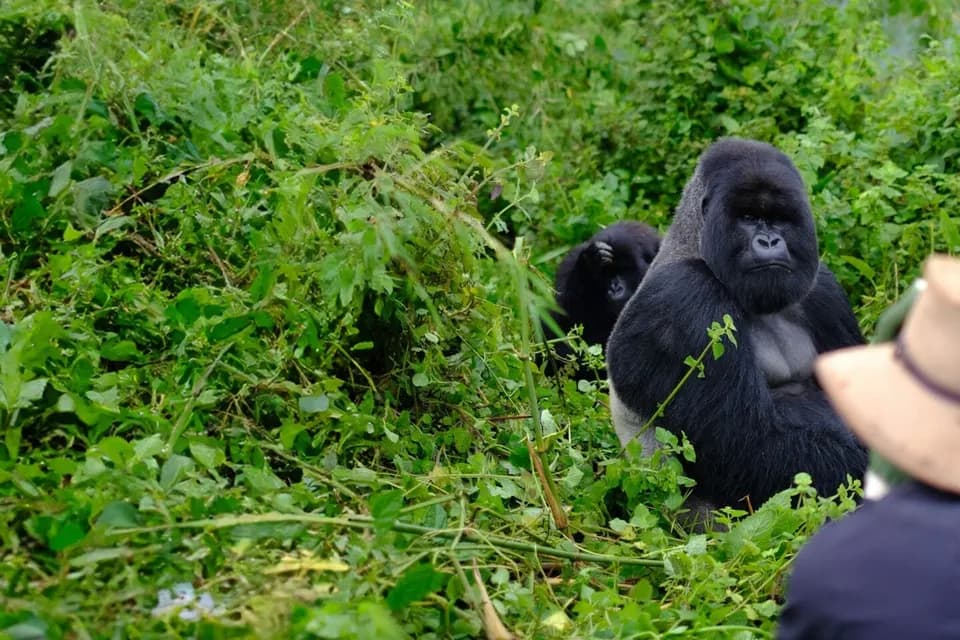
 10 days
Gorillas & the Great Migration
Rwanda's Volcanoes & Kenya's Maasai Mara
- Gorilla trekking permit included
- Best Jul–Oct
From$9,800approx. ≈ £7,350approx. ≈ CA$13,450approx. ≈ A$14,900approx. ≈ €8,450per person sharing
Rwanda
Green hills, clean streets and a creative spirit
Kigali is a clean, green and remarkably orderly capital spread across rolling hills. Visit the Kigali Genocide Memorial, browse colorful markets and galleries, and enjoy a growing café and dining scene before heading to the gorillas.
Kigali spreads across a series of green hills and valleys in the center of Rwanda, and the views change at every turn. The city is widely known for its clean streets, safety and order: plastic bags have been banned since 2008, and on the last Saturday morning of each month residents take part in Umuganda, a national day of community work. Yet Kigali is far from sterile. It's a young, creative city with a thriving arts scene, busy markets and excellent coffee.
A visit to the Kigali Genocide Memorial is essential for anyone traveling in Rwanda. More than 250,000 victims of the 1994 genocide against the Tutsi are buried here, and the exhibitions explain the history that led to the genocide, the hundred days of killing and the country's path since. It's an emotional experience; many visitors go with a guide and allow time afterward for reflection. The Campaign Against Genocide Museum, in the Parliament building, tells how the genocide was brought to an end.
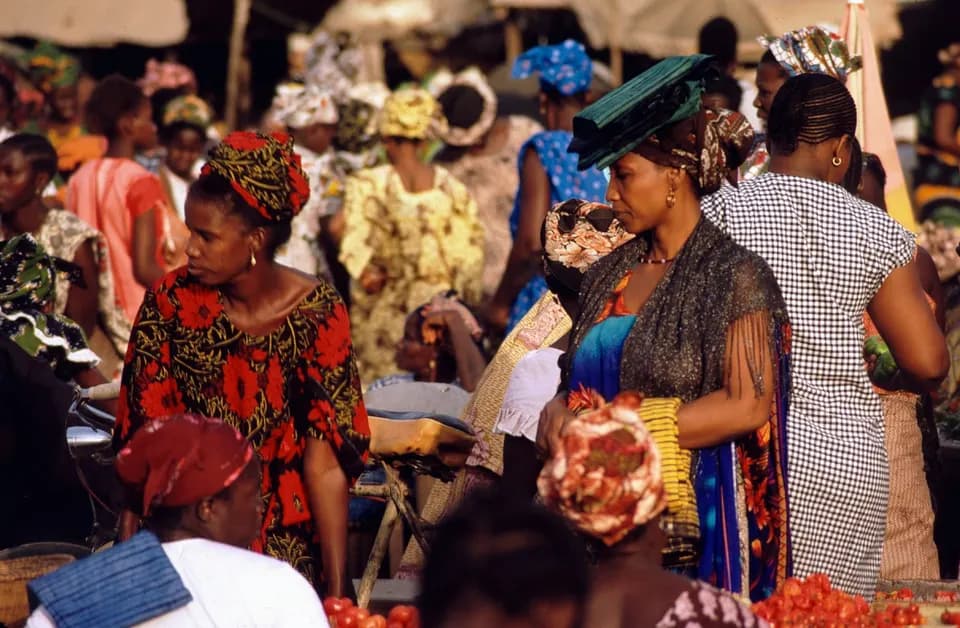
Kimironko Market is a colorful maze of fresh produce, baskets and bolts of vibrant kitenge fabric, and tailors on-site can often make clothes to order within a day or two. Galleries and art centers showcase contemporary Rwandan painting and sculpture, and craft cooperatives sell woven baskets and other handmade goods. In Nyamirambo, one of the city's oldest and liveliest neighborhoods, community-led walking tours introduce you to local businesses, food and family life.
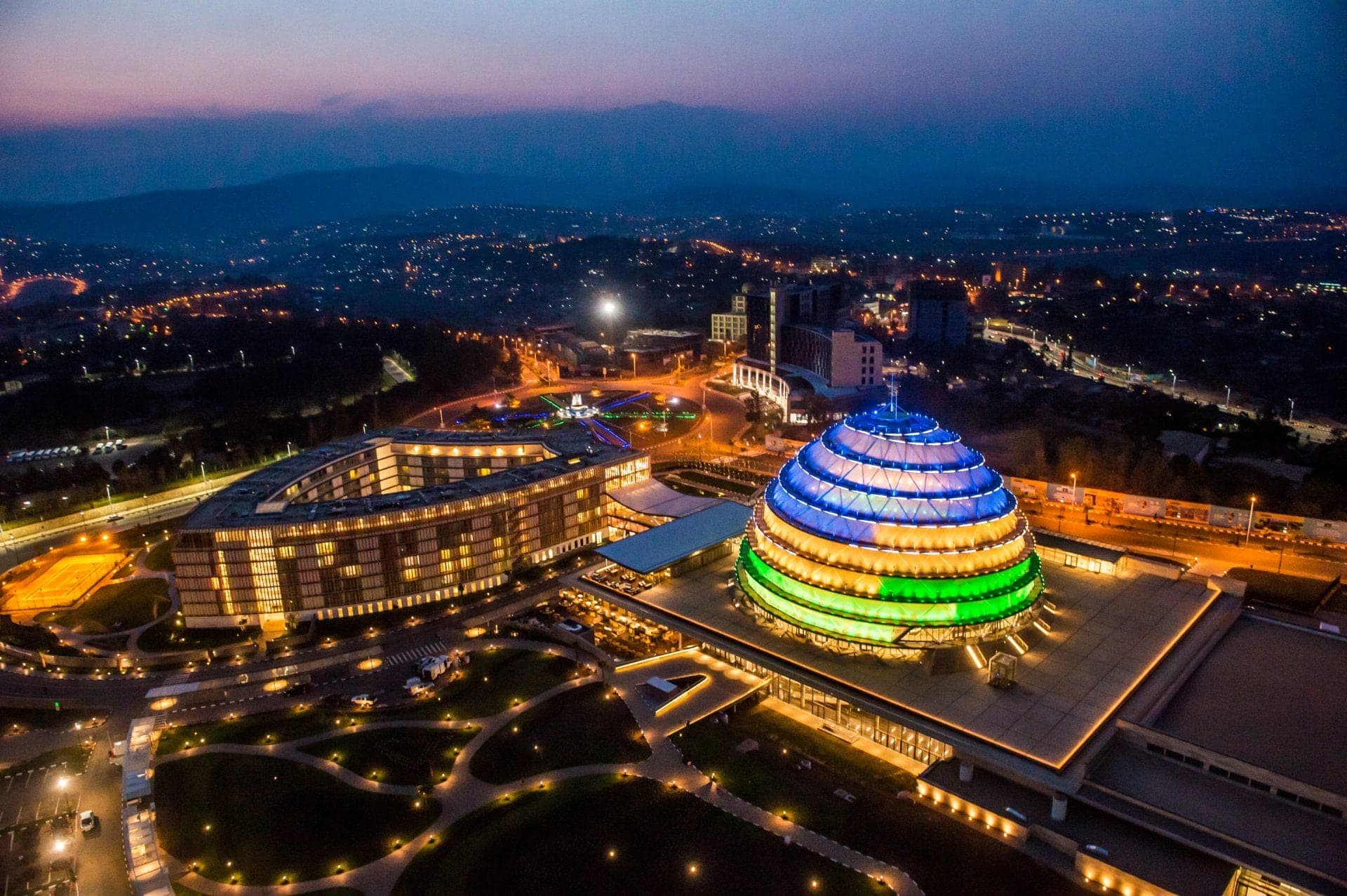
The illuminated dome of the Kigali Convention Centre is the city's modern landmark, and new restaurants, cafés and rooftop bars open regularly. Coffee lovers can taste Rwanda's specialty beans at cafés across the city, or visit a washing station in the countryside.
Most gorilla-trekking trips begin and end here, and we recommend at least one night, ideally two, to visit the memorial, explore the markets and recover from your flight. Our Gorillas & the Great Migration journey starts in Kigali, and Volcanoes National Park is a scenic drive away.
Kigali Genocide Memorial
Learn about the 1994 genocide against the Tutsi and Rwanda's journey since, at the memorial where more than 250,000 victims are buried.
Kimironko Market
Browse produce, baskets and bright kitenge fabric, and have clothes tailored to order.
Nyamirambo walking tour
Explore one of Kigali's most vibrant neighborhoods with a community-led guide.
Contemporary art
Visit galleries and art centers showcasing Rwanda's painters, sculptors and designers.
Rwandan coffee
Taste specialty coffee from Rwanda's hills at the city's cafés and roasteries.
Campaign Against Genocide Museum
See how the genocide was brought to an end, in a museum housed in the Parliament building.
Rwandan food is simple, fresh and satisfying. Try brochettes, grilled goat or beef skewers served with fries or grilled plantain, along with isombe (stewed cassava leaves), beans, sweet potatoes and matoke, cooked green bananas. Sambaza, tiny fried fish from Lake Kivu, make a great snack with a cold local beer.
Kigali also has a buzzing international dining scene, from Ethiopian and Indian restaurants to modern Rwandan tasting menus. Rwandan coffee and tea are excellent, and many cafés serve beans from specific hillside cooperatives.
Best months
Thanks to its altitude, Kigali enjoys a pleasant, spring-like climate year-round, with daytime temperatures typically in the mid-20s °C (mid-70s °F). The drier months, from June to September and from December to February, are the most comfortable for exploring and for pairing your visit with gorilla trekking.
The long rains usually fall from March to May and the short rains in October and November, often as heavy afternoon showers that clear quickly. From April 7, Rwanda observes Kwibuka, the national commemoration of the genocide; the first week is especially solemn, and some activities may be adjusted.
Kigali International Airport (KGL) is about 20 to 30 minutes from central Kigali. Roads are good and traffic is generally manageable, and taxis and ride-hailing apps are easy to use. Moto-taxis, which carry a spare helmet for passengers, are popular with locals, though a car is the safer choice.
For sightseeing and for the drive to Volcanoes National Park, a private driver-guide is the most comfortable option. On Umuganda mornings, the last Saturday of each month, traffic is restricted for a few hours, so we plan around them.
Use our featured journeys as inspiration. We'll tailor the dates, hotels, activities, pace and budget around you.
10 daysRwanda's Volcanoes & Kenya's Maasai Mara
Travel done well supports wildlife, conservation and local livelihoods. This practical guide covers choosing lodges and guides, ethical wildlife encounters, respectful community visits, shopping, plastic, flights and tipping.
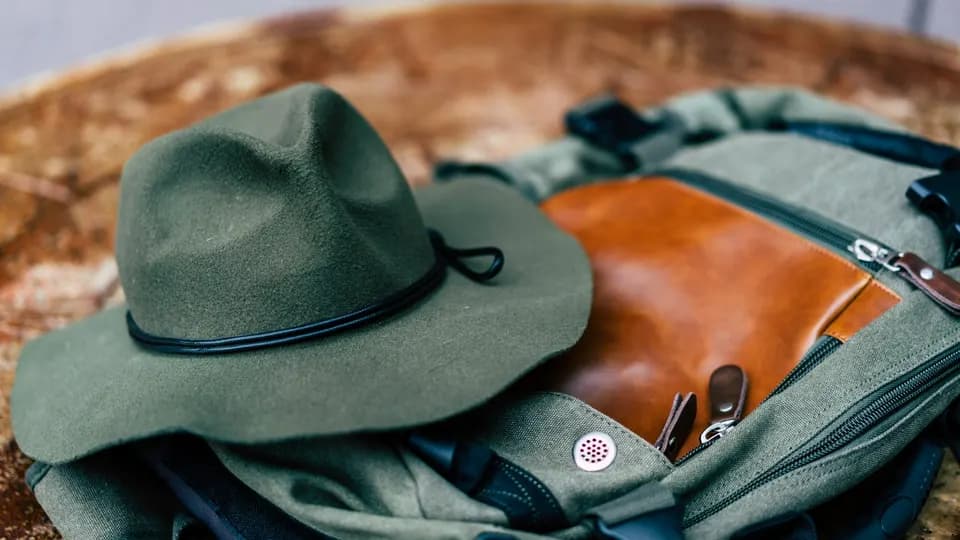
Pack less than you think, in a soft bag, with layers for cold mornings. Our practical safari packing list covers clothing, gorilla trekking gear, binoculars and cameras, documents, and the things to leave at home.
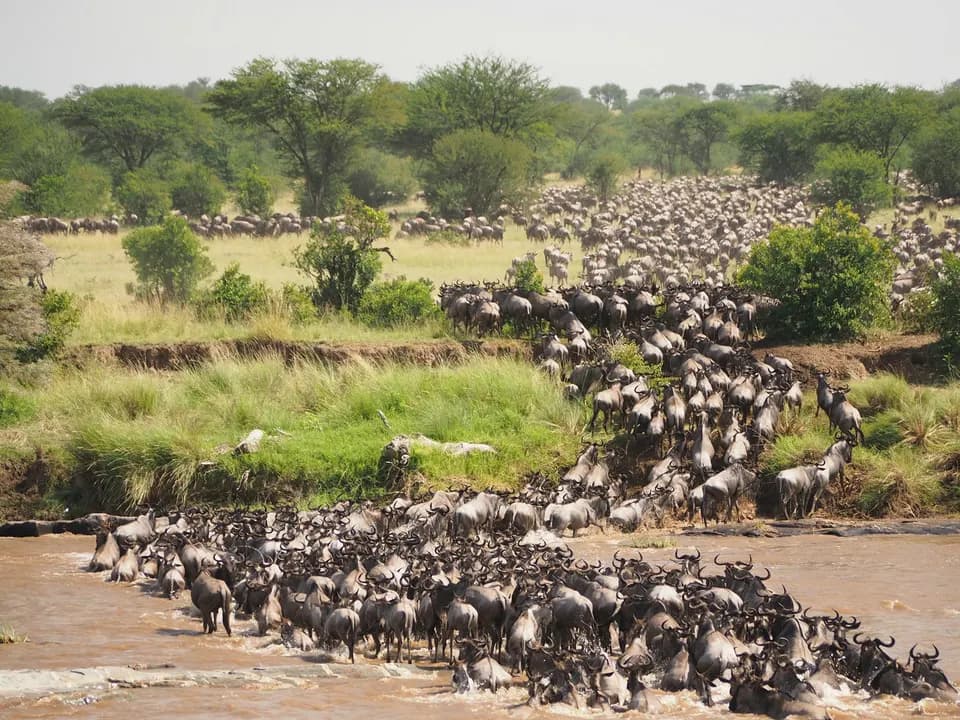
There's no single best month for an East African safari. Here's how the dry and rainy seasons, the Great Migration, gorilla trekking and Zanzibar's beach weather typically play out through the year, and how to choose.
Tell us how you like to travel and we’ll shape an itinerary — the pace, the places, the stays — around you. No payment to start planning.