 10 days
Cape Town + Kruger
City, Coast, Winelands & Big Five
- A balanced first trip to South Africa
- Best Mar–May, Sep–Nov
From$5,900approx. ≈ £4,450approx. ≈ CA$8,100approx. ≈ A$8,950approx. ≈ €5,050per person sharing
South Africa
Big Five country and private reserves
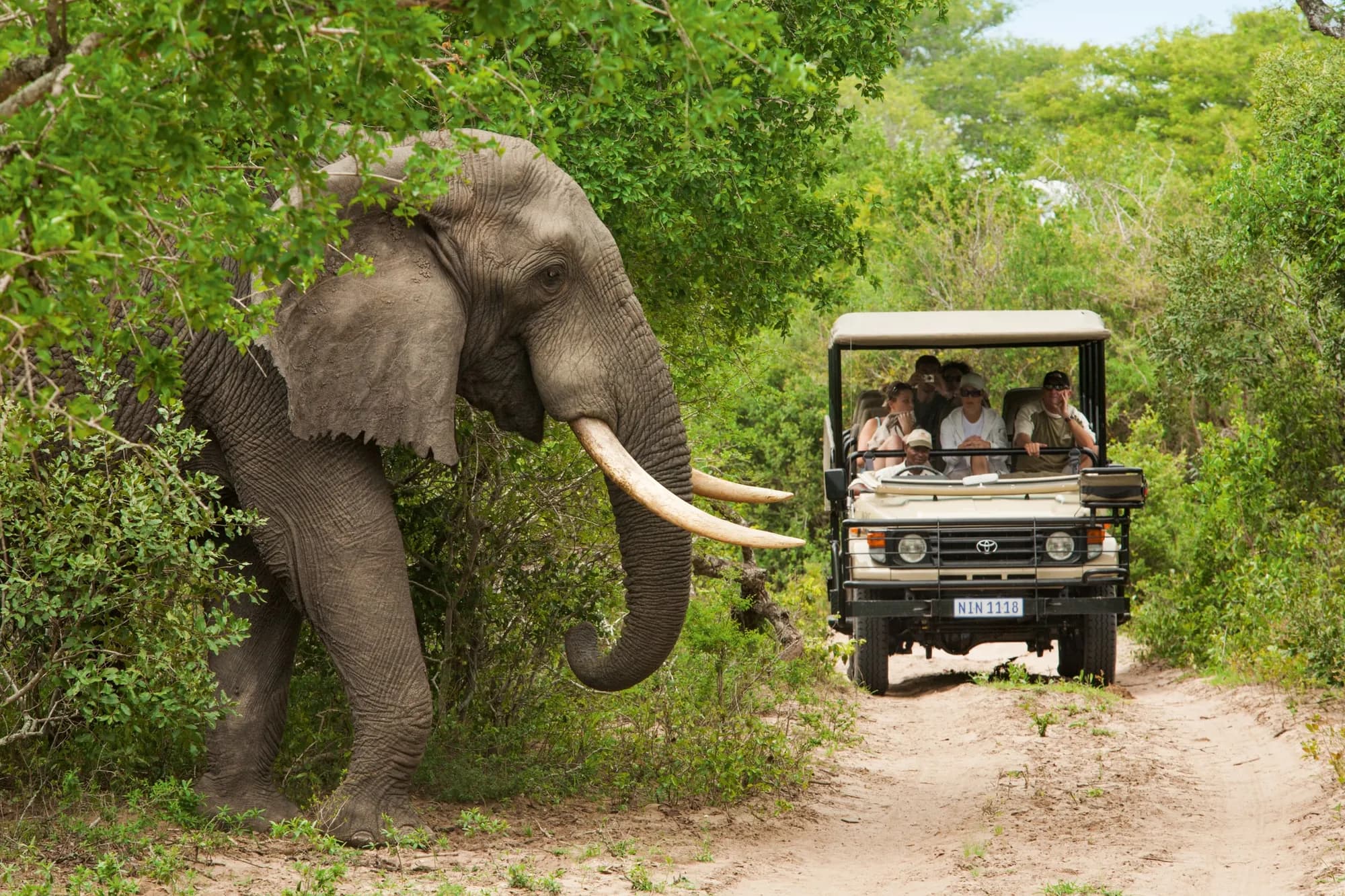
Kruger National Park and the private reserves along its western boundary offer superb Big Five safaris, from self-drive routes and rest camps to intimate lodges with expert rangers, trackers and night drives.
Covering nearly 20,000 square kilometers (about 7,500 square miles) of the South African lowveld, Kruger National Park is one of Africa's oldest and largest protected areas, with roots in a game reserve first proclaimed in 1898. Its mosaic of savanna, mopane woodland and river forest supports a remarkable variety of mammals and hundreds of bird species, including all of the Big Five.
Inside the national park, a network of paved and gravel roads, picnic spots and rest camps makes Kruger a superb self-drive safari destination. Guided sunrise and sunset drives and morning walks with park rangers are also available.
Along Kruger's western boundary, private reserves such as the Sabi Sand, Timbavati, Klaserie and Manyeleti share unfenced borders with the park, so wildlife moves freely between them. Here you stay in private lodges and camps where rangers and trackers take you out in open vehicles, leave the road to follow leopards or lions, head out after dark with a spotlight and lead guided bush walks. It's the difference between a road trip and a fully guided safari.
The southern Kruger, around Skukuza and Lower Sabie, has the highest density of game and the most visitors. The central plains are known for lion and cheetah, while the far north, around Punda Maria and Pafuri, is wilder and quieter, with baobabs, fever-tree forests and exceptional birdlife. The Sabi Sand is famous for its leopard sightings.
West of the lowveld, the Panorama Route along the Drakensberg escarpment offers waterfalls, viewpoints and the dramatic Blyde River Canyon, an easy scenic add-on to a Kruger stay.
We'll help you choose between the national park, a private reserve or a combination of both, based on your budget, interests and travel style, and suggest malaria-free alternatives if you're traveling with young children. Our Cape Town + Kruger journey pairs the bush with the city, and we'll tailor it around you.
Leopards of the Sabi Sand
Follow leopards off-road with ranger-and-tracker teams in one of the most celebrated leopard areas in Africa.
Night drives
Head out after dark with a spotlight to look for hyenas, genets, bushbabies and hunting lions.
Walking safaris
Track animals on foot with armed guides and discover the tracks, plants and small creatures you miss from a vehicle.
Self-drive adventure
Explore the national park at your own pace, staying in rest camps and stopping wherever a sighting catches your eye.
The wild north
Seek out baobabs, fever-tree forests and rare birds in the remote Pafuri area, where the Limpopo and Luvuvhu rivers meet.
The Panorama Route
Pair your safari with the viewpoints, waterfalls and canyon scenery of the Drakensberg escarpment.
Best months
The dry winter months, from about May to September, are best for game viewing: vegetation thins, water is scarce and animals gather at rivers and waterholes. Days are mild and sunny, but early mornings in open vehicles can be very cold, so bring layers. October is hot and dry, with excellent sightings before the rains.
From about November to March, summer brings heat, afternoon thunderstorms, lush green bush and newborn animals, along with superb birding as migrants arrive. Game can be harder to spot in thick vegetation, though off-road tracking in the private reserves helps. South African school holidays are busy in the national park.
Kruger is easy to reach from Johannesburg. Short flights connect O.R. Tambo International Airport (JNB), and in many cases Cape Town, with airports close to the park, including Kruger Mpumalanga International (MQP) near Mbombela and Hoedspruit (HDS) for the central private reserves. Many private reserves also have airstrips served by scheduled light-aircraft flights.
By road, the southern Kruger is about five to six hours' drive from Johannesburg, and the Panorama Route makes a scenic detour on the way. Once you arrive at a private lodge, your rangers handle everything on the ground.
Use our featured journeys as inspiration. We'll tailor the dates, hotels, activities, pace and budget around you.
10 daysCity, Coast, Winelands & Big Five
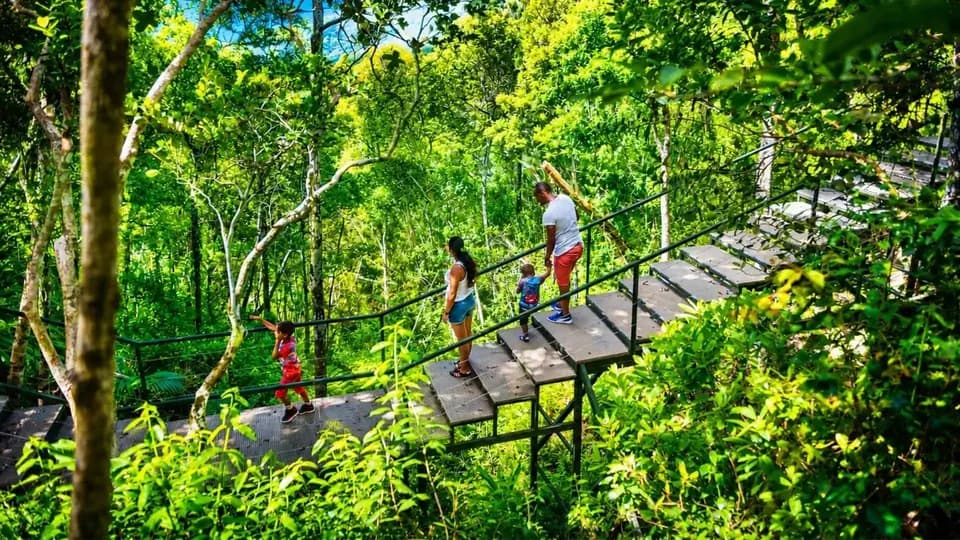
A family trip to Africa can be the adventure your kids talk about for years. Here's how to choose the right age, destinations and lodges, why a private vehicle changes everything, and how to balance safari days with beach time.
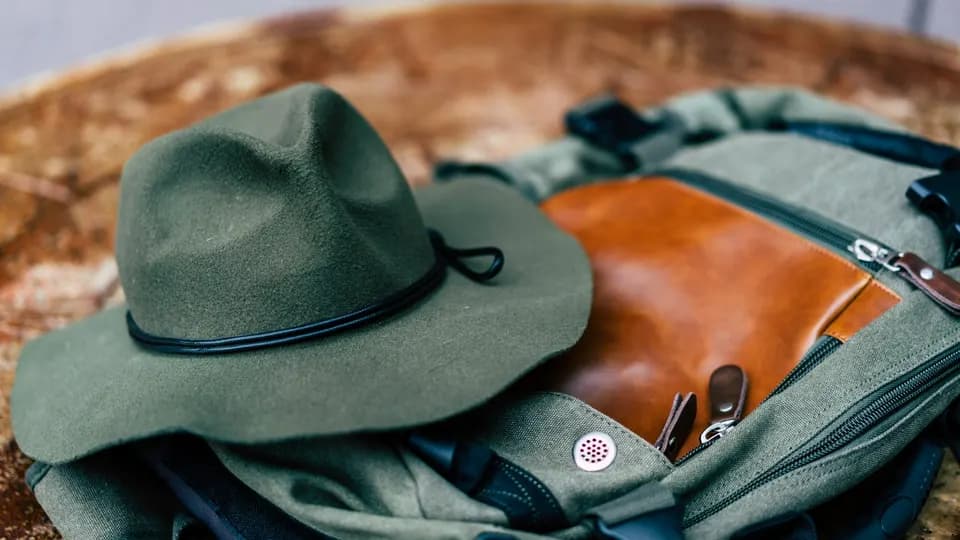
Pack less than you think, in a soft bag, with layers for cold mornings. Our practical safari packing list covers clothing, gorilla trekking gear, binoculars and cameras, documents, and the things to leave at home.
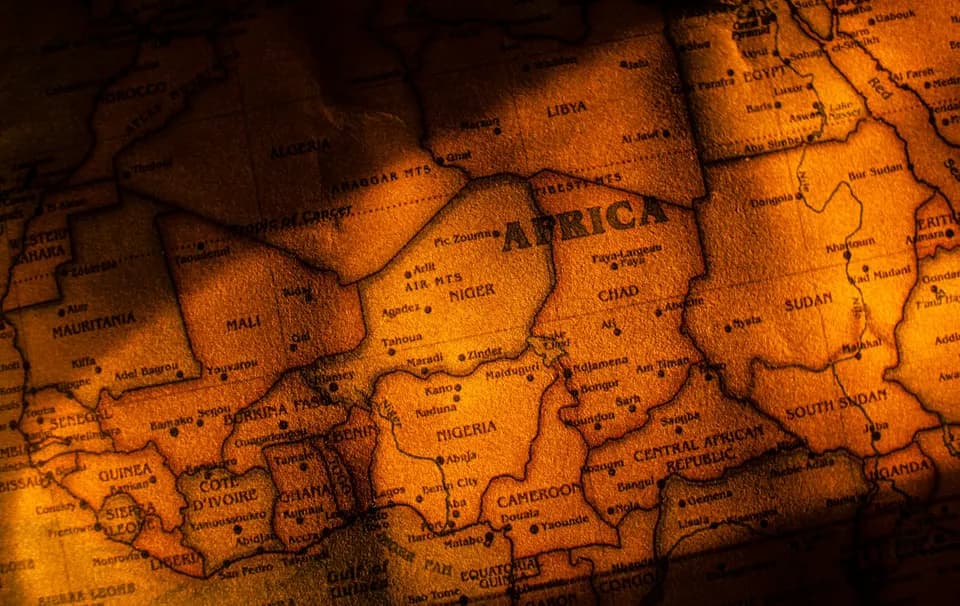
Africa trips range from good-value road journeys to once-in-a-lifetime fly-in safaris. Here is what really drives the price, from season and lodge style to private guiding, flights and park fees, and how to get the most from your budget.
Tell us how you like to travel and we’ll shape an itinerary — the pace, the places, the stays — around you. No payment to start planning.