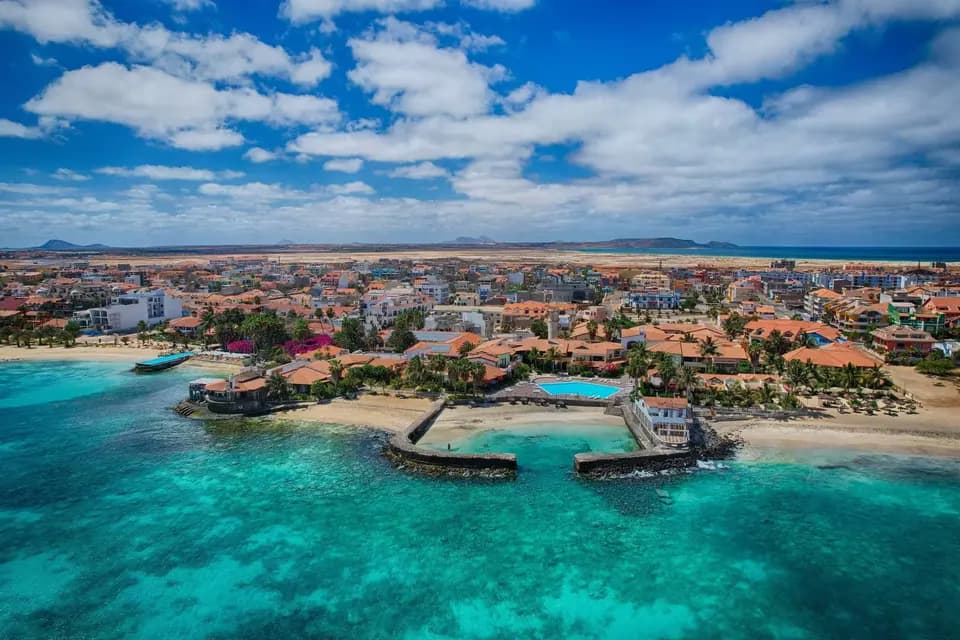
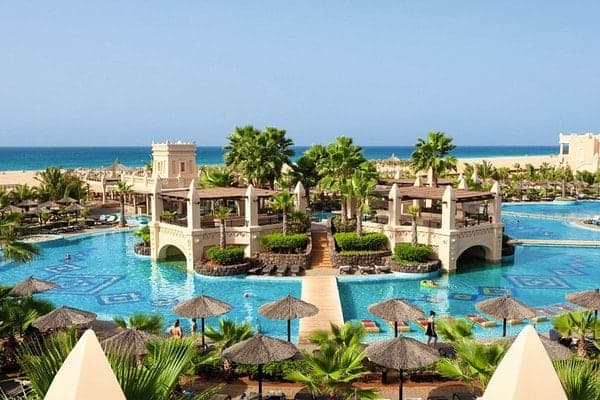
Cabo Verde, still widely known as Cape Verde, is a ten-island Atlantic archipelago of volcanic peaks, green hiking valleys and long white beaches. Pair Sal's sunshine with Santo Antão's trails, Fogo's volcano and the music of Mindelo.
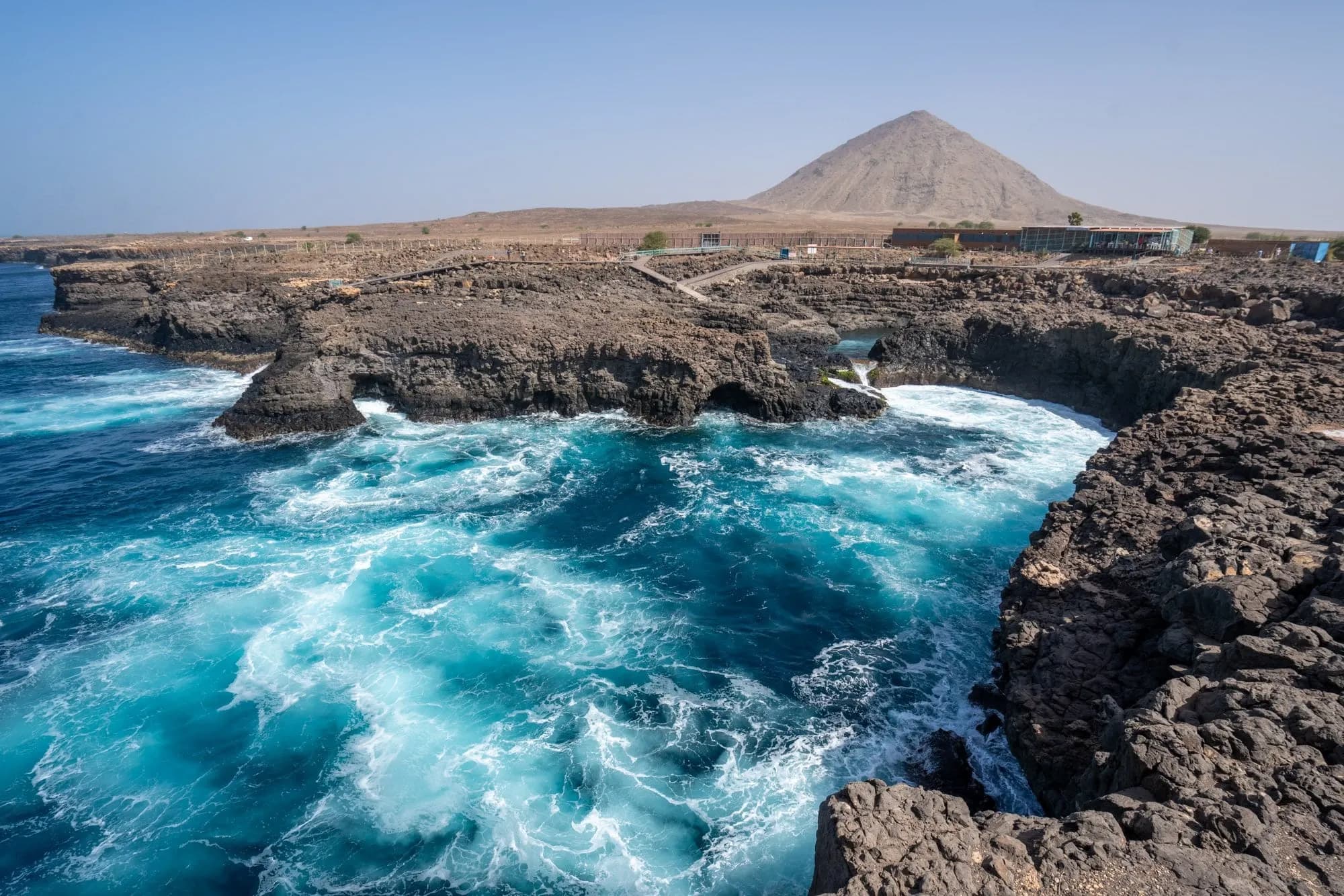
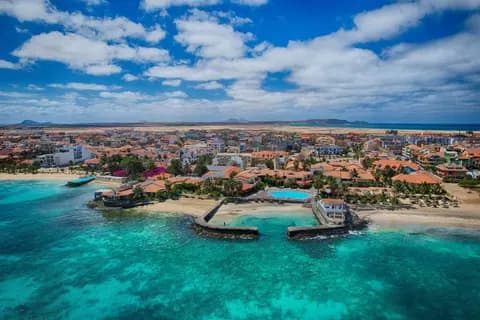
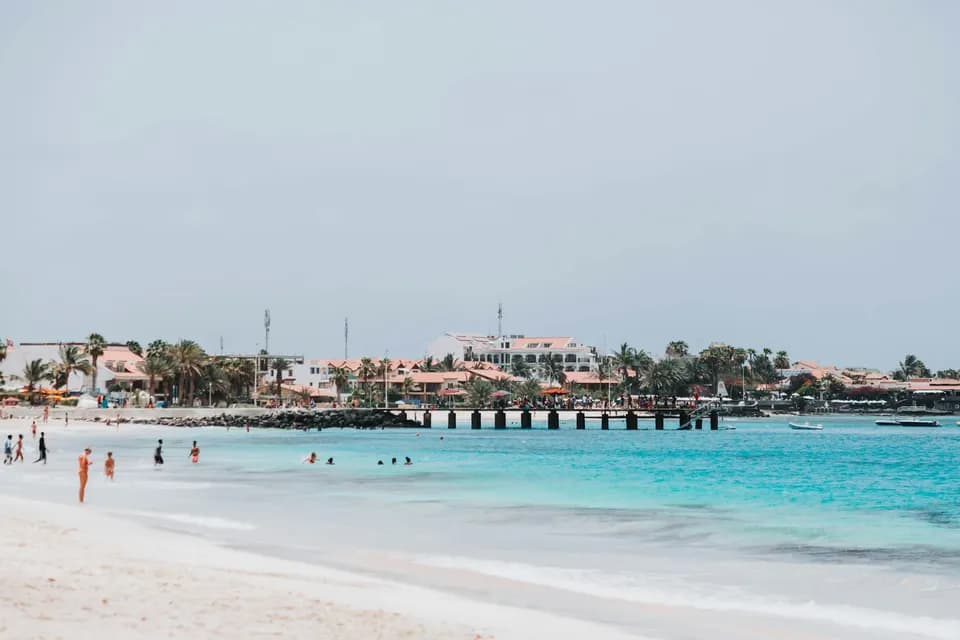
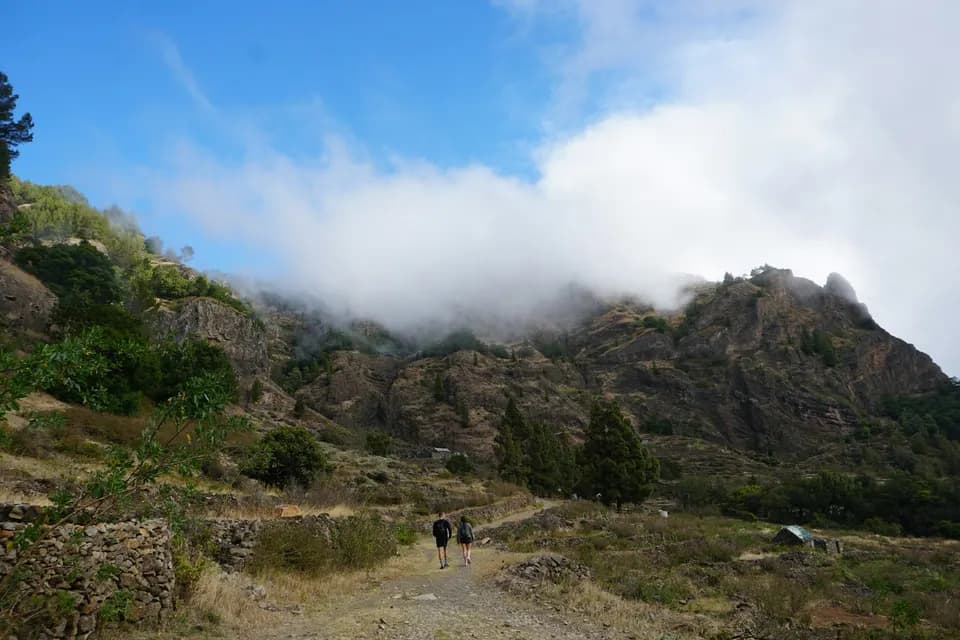
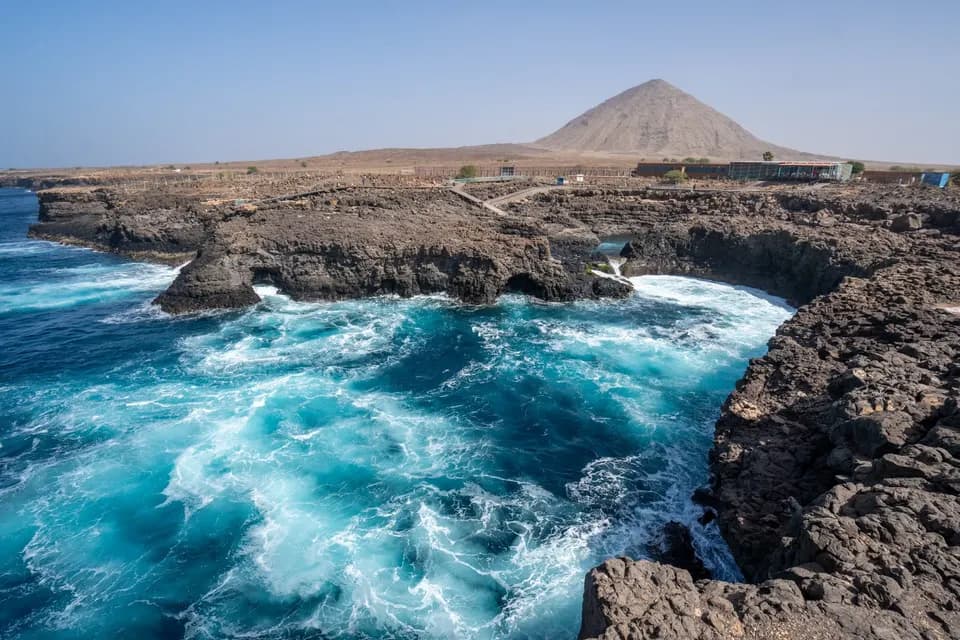
Cabo Verde sits in the Atlantic about 570 kilometers (350 miles) off the coast of Senegal: ten volcanic islands, nine of them inhabited, that feel surprisingly different from one another. Sal and Boa Vista are dry, flat and ringed with pale sand; Santo Antão is a wall of green ridges and terraced valleys; Fogo is one great volcano; Santiago and São Vicente hold the country’s history, markets and music.
What ties them together is Creole culture. Cabo Verde was uninhabited until Portuguese settlers arrived in the 15th century, and the nation grew out of the meeting, often forced, of Europe and West Africa. You hear it in Kriolu, the language everyone speaks, and in morna, the song style UNESCO recognizes as Intangible Cultural Heritage of Humanity.
Most international travelers come for reliable winter sun a few hours’ flight from Europe, and stay for the variety. The key planning decision is which islands to combine, because getting between them takes more time than the map suggests. A first trip usually pairs one beach island with one or two others for mountains, music or a volcano. Cabo Verde suits beach lovers, hikers, windsurfers and kitesurfers, music fans and couples. It isn’t a big-game wildlife destination, and the beach islands are desert-dry rather than tropically lush.
A Creole island nation where each island has a distinct personality: desert beaches, green mountains, a live volcano and a music scene with UNESCO recognition, within easy reach of Europe.
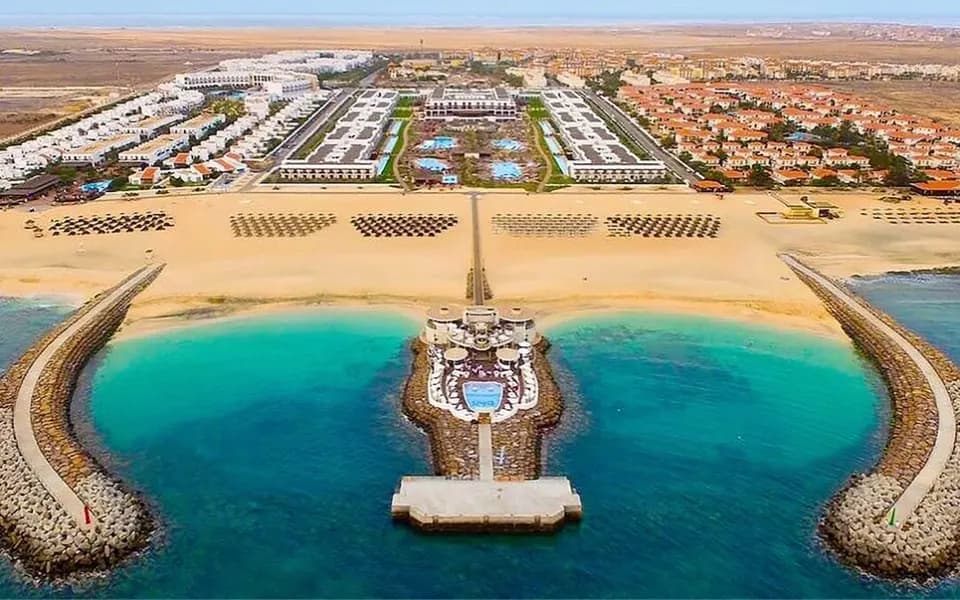
Sand dunes, vast beaches and a quieter feel than Sal, plus some of the world’s most important loggerhead nesting beaches. Resorts are spread out, so plan transfers.
Best for: Quiet beaches, turtles, whale season
São Vicente✈ VXE
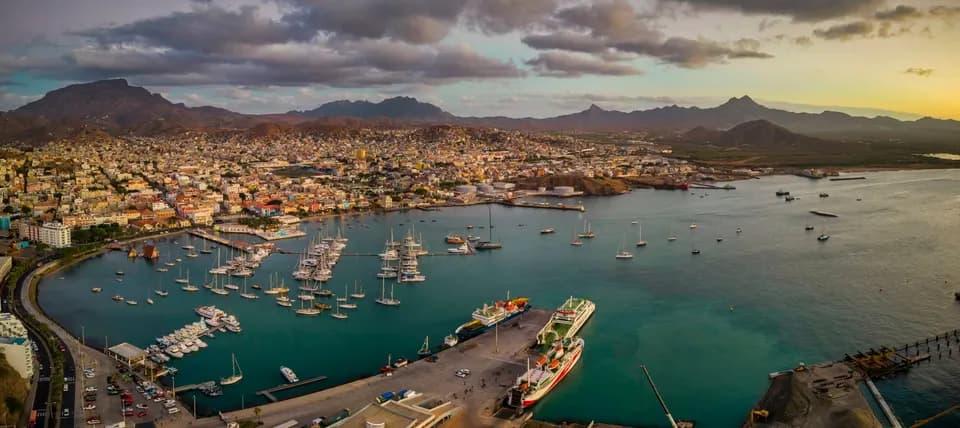
Music and Mindelo
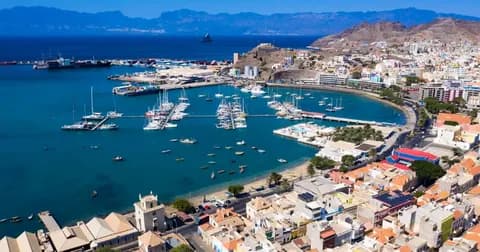
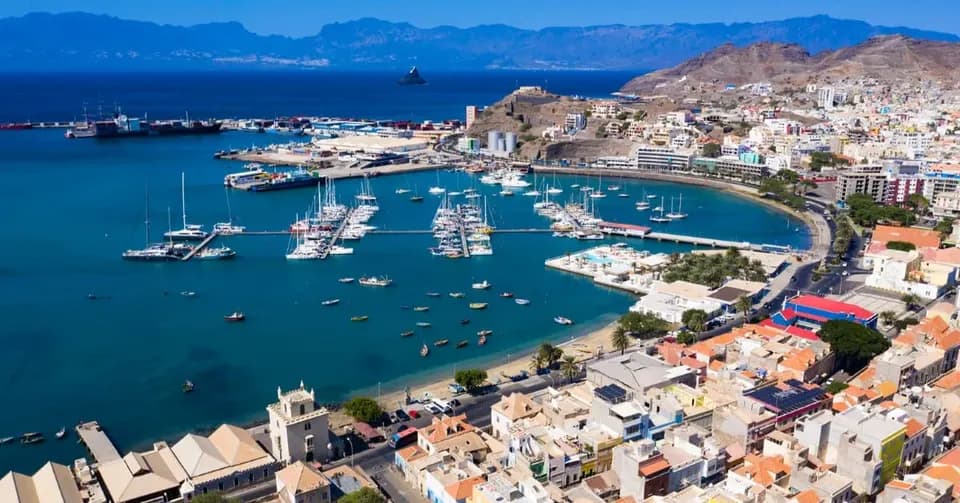
Home to Mindelo, the cultural capital, with colonial architecture, a lively harbor and the country’s best-known festivals: Carnival and the Baía das Gatas music festival.
Best for: Music, food, a gateway to Santo Antão
Santo Antão
The hiking island
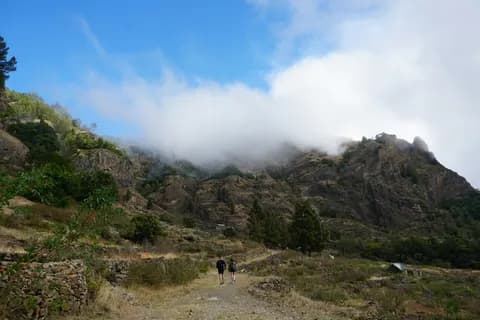
Green ridges, deep valleys and cobbled trails, reached by ferry from Mindelo in about an hour. Stay in rural guesthouses and walk a different valley each day.
Best for: Hiking, landscapes, slow travel
Santiago✈ RAI
History and the capital
The largest island, with the capital Praia, lively markets, the UNESCO-listed old town of Cidade Velha and mountain villages in the interior.
Best for: History, culture, markets
Fogo
Life inside a volcano
One great volcanic cone, with a village and vineyards inside its caldera. Climb the peak, taste the local wine and see how people rebuilt after the 2014–2015 eruption.
Best for: Volcano hikes, wine, dramatic scenery
How island hopping really works
Cabo Verde’s islands fall into two groups. The Barlavento (windward) islands in the north include Sal, Boa Vista, São Vicente, Santo Antão and São Nicolau; the Sotavento (leeward) islands in the south include Santiago, Fogo, Maio and Brava.
Easiest pairing: Sal or Boa Vista for the beach, plus São Vicente and Santo Antão for music and mountains. Fly to São Vicente, then take the ferry of about an hour to Santo Antão.
For history and a volcano: add Santiago and Fogo. Flights are the dependable way to reach Fogo; UK travel advice notes that boats to Fogo and Brava are frequently disrupted.
Allow time: plan most transfers as a travel day, and don’t schedule an inter-island connection on the same day as your flight home.
We book flights, ferries and transfers as one plan and keep an eye on changes for you.
Music, language and Creole culture
Music is everywhere in Cabo Verde. Morna, slow and full of sodade (longing), was recognized by UNESCO in 2019 as Intangible Cultural Heritage of Humanity, and Cesária Évora made it famous far beyond the islands. Coladeira is its livelier cousin, and funaná, driven by accordion and the scraped ferrinho, comes from Santiago.
Mindelo on São Vicente is the place to hear it live, most memorably during Carnival and at the Baía das Gatas festival, held on a full-moon weekend in August. Portuguese is the official language, but Kriolu is what you’ll hear in daily life. A few words of greeting are always appreciated.
What to eat and drink
Cachupa, a slow-cooked stew of hominy corn, beans and vegetables with fish or meat, is the national dish; the leftovers fried for breakfast (cachupa guisada) are a favorite. Expect superb fresh tuna, wahoo and lobster by the coast, goat’s cheese from the islands, and grogue, a sugarcane spirit distilled in Santo Antão’s valleys. On Fogo, taste wine grown in volcanic soil inside the caldera.
Turtles and whales, responsibly
Boa Vista holds one of the world’s most important nesting populations of loggerhead turtles, and the season runs from about June into the autumn, with hatchlings later in the year. Join only licensed, guided walks with conservation groups, keep lights off and never touch nests or turtles.
In spring, roughly March to May, humpback whales come to the waters around Boa Vista and Sal to breed. Choose operators who keep a respectful distance.
Cidade Velha, a UNESCO World Heritage site
Founded in the 15th century on Santiago, Cidade Velha (Ribeira Grande) was the first European colonial town in the tropics and a hub of the Atlantic slave trade. UNESCO inscribed its historic center in 2009. Visit the fortress of São Filipe, the ruins of the cathedral and the pillory in the main square with a local guide who can tell its story with care.
Is it right for you?
Is Cabo Verde right for you?
How long to stay7–14 days for one beach island plus one or two others
PaceUnhurried: allow a full day for each inter-island transfer.
Ideal for
Winter sun with a real sense of place
Hikers who also want beach time
Kitesurfers and windsurfers (about November to May on Sal)
Music lovers and culture-curious travelers
Couples and friends combining two or three islands
Less suited to
Big-game safari (there are no large land mammals)
Travelers who want lush tropical scenery on every island
Tight, fast itineraries that depend on same-day connections
Families
Yes, especially on Sal, where Santa Maria’s bay is sheltered and resorts are family-friendly. Elsewhere the Atlantic is powerful, so swim only where there’s a lifeguard. Keep inter-island travel simple with young children, and note that medical facilities are limited on Boa Vista.
Couples
Very. Pair a quiet beach on Boa Vista or Sal with live music in Mindelo and a day in Santo Antão’s valleys, or add a night inside Fogo’s caldera for something unforgettable.
Solo travelers
A relaxed, friendly place to travel alone. Mindelo’s music scene and Santo Antão’s trails are easy to enjoy on your own; take the usual care with valuables in Praia, Sal and Boa Vista.
Groups
Great for friends who want a mix of beach, hiking and music. Villas and resorts suit larger groups, and a private guide makes island hopping much smoother.
Adventure seekers
Hike Santo Antão’s ridges, climb Pico do Fogo with a local guide, and kitesurf or windsurf on Sal’s trade winds from about November to May.
First-timer advice
Choose islands by what you want to do, not by how close they look on a map. Sal or Boa Vista gives you the beach; São Vicente and Santo Antão give you music and mountains; Fogo and Santiago add a volcano and history. Two or three islands in a week or two is plenty.
Common planning mistakes
Treating the islands like neighboring districts: most transfers need a flight or a ferry and can change at short notice.
Relying on boats to Fogo and Brava: UK advice notes sea travel to the southern islands is frequently disrupted.
Forgetting the EASE pre-registration and airport security fee before arrival.
Expecting Sal and Boa Vista to be green: they are dry, sandy islands, and that’s their charm.
Traveling without insurance that covers medical evacuation.
Featured journeys
Inspiration for your Cabo Verde vacation
Use our featured journeys as inspiration. We'll tailor the dates, hotels, activities, pace and budget around you.
Free to start planning · No obligation · Tailored around you
When to go
Best time to visit Cabo Verde
Warm and mostly dry all year, with little change in temperature. Steady trade winds blow from about November to May; a short rainy season runs from roughly mid-August to mid-October and mainly affects the mountainous islands. Saharan dust can bring haze, and occasionally flight delays, between December and February.
Jan
Feb
Mar
Apr
May
Jun
Jul
Aug
Sep
Oct
Nov
Dec
Best months
Best
Best
Best
Best
Best
Good
Good
Mixed
Mixed
Mixed
Good
Best
Rain
Dry
Dry
Dry
Dry
Dry
Dry
Dry
Some showers
Rainy
Some showers
Dry
Dry
Heat
Warm
Warm
Warm
Warm
Warm
Warm
Hot
Hot
Hot
Hot
Warm
Warm
Wind
Windy
Windy
Windy
Windy
Breezy
Breezy
Breezy
Light winds
Light winds
Light winds
Breezy
Windy
JanWinter sun and trade winds; dust haze possible
FebCarnival in Mindelo (dates follow Lent)
MarHumpback whale season begins off Boa Vista and Sal
AprWhales; good hiking weather
MayWinds ease; seas calm down
JunTurtle nesting season begins
JulTurtles nesting; warmer sea
AugRains start mid-month; Baía das Gatas festival at the full moon
SepRainiest month; hatchlings; the mountains turn green
Entry requirements depend on your nationality. Since 1 January 2026, citizens of a published list of countries need a visa in advance, while many others can visit without one.
Almost every visitor must pre-register on the official EASE platform and pay the airport security fee (TSA) at least five days before arrival. Keep proof of confirmation with you.
Check your own nationality’s rules with the official source before you book, and see our country-specific guidance where available, such as for travelers from the United Kingdom.
Cabo Verde has four international airports: Sal (Amílcar Cabral, SID), Boa Vista (Aristides Pereira, BVC), Praia on Santiago (Nelson Mandela, RAI) and São Vicente (Cesária Évora, VXE). Sal has the most international flights.
Most international routes come from Europe, many via Lisbon, and schedules change with the seasons, so we plan flights around your departure city.
Domestic flights link the islands with airports, and ferries connect some of them. The busiest crossing, São Vicente to Santo Antão, takes about an hour. Santo Antão and Brava have no working airports.
Timetables change and boats to the southern islands are often disrupted, so allow buffer days. On land, shared minibuses (aluguers) link villages, but a private driver is far more practical for most visitors. Use licensed taxis only.
Cabo Verde has a low overall crime rate, but pickpocketing and bag snatching happen in Praia, Sal and Boa Vista. Use the hotel safe and avoid unlit areas at night.
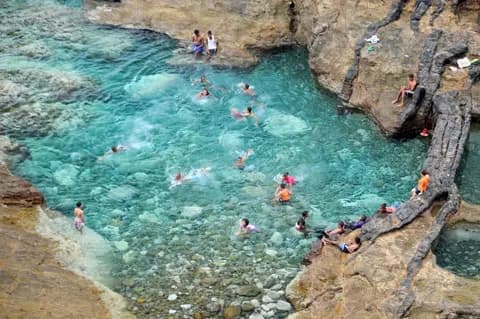
The Atlantic is the bigger risk: currents and waves can be very strong. Swim only where a lifeguard is on duty and follow the beach flags. Helmets are required on scooters and quad bikes. Fogo and Brava see occasional seismic activity, and heavy rain between mid-August and mid-October can cause flooding and landslides.
The World Health Organization certified Cabo Verde malaria-free in January 2024. Dengue alerts have been issued for Santiago, Fogo and Brava, so check current advice and use insect repellent.
The main hospitals are in Praia and Mindelo; facilities are limited elsewhere, particularly on Boa Vista, and evacuation from islands without airports is difficult. Take travel insurance that covers medical evacuation. A yellow fever certificate is required if you arrive from a country with yellow fever risk. Check vaccinations with a travel health professional before you go.
The currency is the Cape Verdean escudo (CVE), pegged to the euro at 110.265 escudos per euro. Euros are often accepted in tourist areas, though change usually comes in escudos. Cards work at larger hotels and restaurants; carry cash for smaller places, markets and rural islands.
Portuguese is the official language and Cape Verdean Creole (Kriolu) is spoken everywhere; English is common in resorts but less so elsewhere. Dress is relaxed, but cover up away from the beach, especially in villages and churches, and ask before photographing people.
Tipping isn’t obligatory, but rounding up or leaving around 10 percent for good service is appreciated, as is a tip for guides and drivers at the end of a day.
It depends on what you want. Sal is the easiest for a beach and watersports holiday, Boa Vista is quieter with bigger, emptier beaches, São Vicente is for music and Mindelo, Santo Antão is the hiking island, Santiago has the capital and the UNESCO-listed old town, and Fogo is the volcano. Most first trips combine a beach island with one or two others.
How many days do I need in Cabo Verde?
A week works for one beach island or a beach island plus one other. For two or three islands, allow ten days to two weeks, because inter-island flights and ferries usually take a good part of a day.
Can I island hop in Cabo Verde?
Yes, and it’s the best way to see how different the islands are. Domestic flights link the islands with airports, and a ferry of about an hour connects São Vicente with Santo Antão. Schedules change and boats to the southern islands can be disrupted, so we plan buffer time and book every connection as one itinerary.
When is the best time to visit Cabo Verde?
Cabo Verde is warm all year. November to June is the most reliable period, with dry weather and steady trade winds that are ideal for kitesurfing. The short rainy season, roughly mid-August to mid-October, brings humidity and occasional downpours but also green mountains and turtle hatchlings.
Is Cabo Verde good for families?
Yes, particularly Sal, where Santa Maria’s bay is sheltered and resorts cater well to children. The Atlantic can be rough elsewhere, so choose beaches with lifeguards, keep island hopping simple with young children and make sure your travel insurance covers medical evacuation.
What currency is used in Cabo Verde?
The Cape Verdean escudo (CVE), which is pegged to the euro. Euros are often accepted in tourist areas, but carry some escudos for smaller shops, markets and the less-visited islands.
Do I need a visa for Cabo Verde?
It depends on your nationality: since 1 January 2026 citizens of some countries need a visa in advance. Almost every visitor must pre-register on the official EASE platform and pay the airport security fee at least five days before arrival. Always confirm your own rules with the official source before you travel.
Last updated September 25, 2026Travel information last checked September 24, 2026
Your Cabo Verde Journey Starts Here.
Tell us how you want to travel. We’ll build the itinerary around your dates, interests and budget.