 10 days
Namibia Desert Landscapes
Dunes, Coast, Rock Art & Etosha
- Ideal for photographers and walkers
- Best May–Oct
From$6,200approx. ≈ £4,650approx. ≈ CA$8,500approx. ≈ A$9,400approx. ≈ €5,350per person sharing
Southern Africa
Sossusvlei’s red dunes and vast desert landscapes
Overview
Namibia is a land of epic space: the red dunes of Sossusvlei, the wildlife-filled waterholes of Etosha, the fog-bound Skeleton Coast and blazing desert night skies. It is superb for road trips, fly-in safaris and photographers.
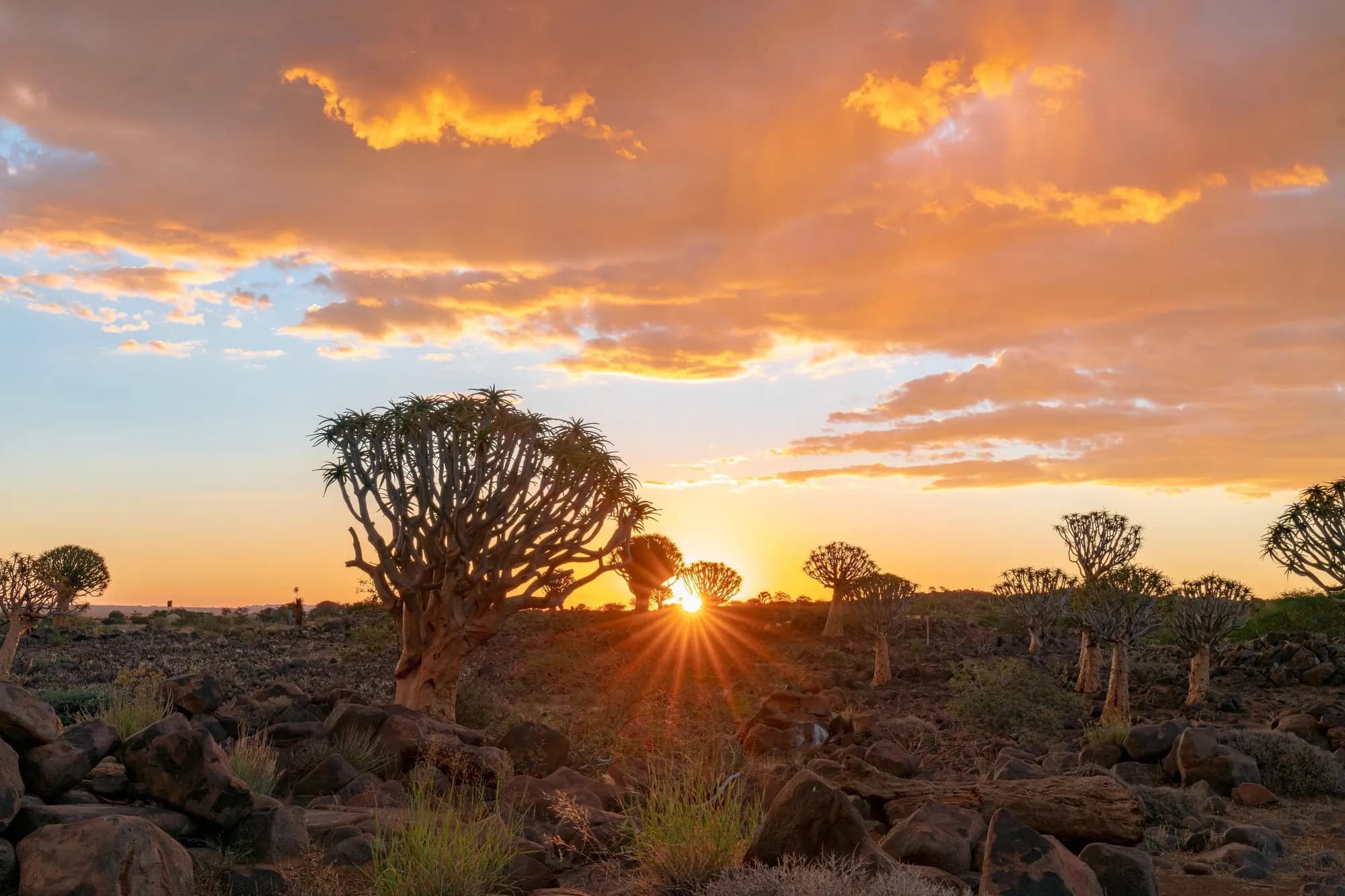
Namibia is one of the least densely populated countries on Earth, and you feel it. Roads run arrow-straight to the horizon, the silence of the desert is profound, and the night sky blazes with stars. Yet this is far from empty country. Desert-adapted elephants, rhinos and lions survive in the northwest, Etosha's waterholes draw a steady parade of wildlife, and communities from the Himba of the Kunene region to the Nama and Damara hold deep knowledge of the land.
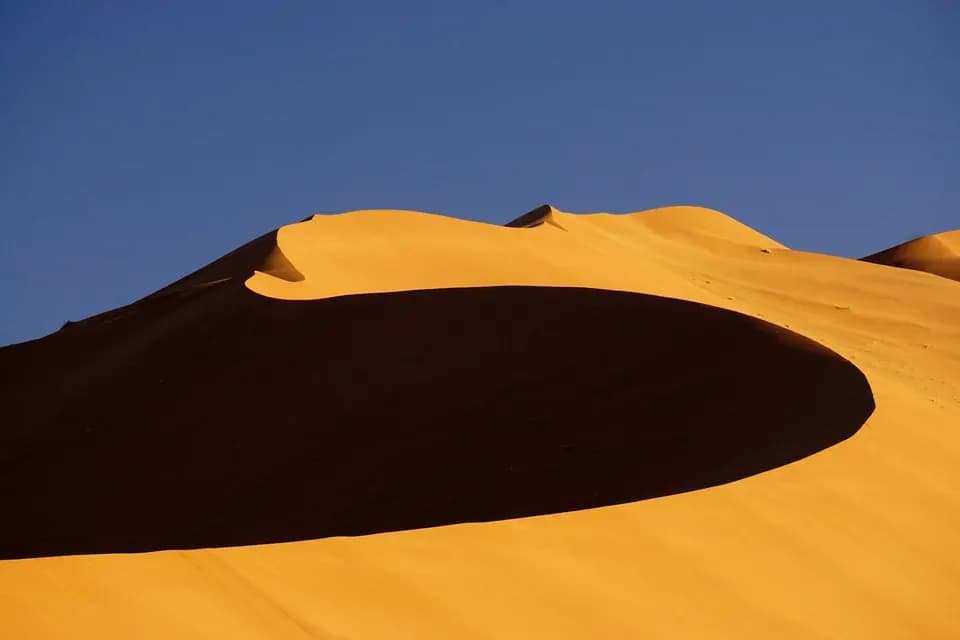
The Namib, often described as the oldest desert in the world, meets the Atlantic along Namibia's coast. At Sossusvlei, star dunes glow orange and red at sunrise, and the tallest rise more than 300 meters (about 1,000 feet). Deadvlei's white clay pan and its skeletal trees form one of Africa's most photographed scenes, while hot-air balloon flights, dune climbs and guided nature walks reveal a surprisingly lively desert ecosystem.
Etosha National Park surrounds a vast, shimmering salt pan. In the dry season, animals converge on its waterholes, and floodlit waterholes at some camps and lodges allow extraordinary nighttime viewing of rhinos and elephants.
To the west, Damaraland's rugged mountains hold ancient rock engravings at Twyfelfontein, a UNESCO World Heritage Site, and shelter desert-adapted elephants that expert guides track by vehicle and on foot.
Swakopmund, with its German colonial architecture, is the base for dune adventures such as sandboarding and quad biking, and for kayaking among seals and flamingos near Walvis Bay. Farther north, the Skeleton Coast is a wild, fog-shrouded shoreline of shipwrecks, seal colonies and dunes that run straight into the sea. To the south, the harbor town of Lüderitz and the sand-filled ghost town of Kolmanskop make a haunting detour.
Namibia is ideal for self-drive trips on well-maintained gravel roads, but distances are long, so we plan realistic daily drives and choose lodges in the right places. If you'd rather not drive, guided and fly-in safaris cover the highlights more quickly and add a bird's-eye view of the desert.
Our Namibia Desert Landscapes journey is a good starting point, and we'll tailor it to your pace, style and budget.
Why visit Namibia
Climb a red dune at first light, then walk into Deadvlei, where centuries-old camel thorn trees stand on a white clay pan.
Watch elephant, giraffe, lion and rhino come to drink at waterholes around a vast, shimmering salt pan.
Track elephants and, with specialist guides, rhinos that have adapted to life in Damaraland's arid valleys.
See one of Africa's largest concentrations of ancient rock engravings at a UNESCO-listed site in the Damaraland hills.
Fly or drive along a wild, fog-bound shoreline of shipwrecks, seal colonies and dunes that meet the sea.
Stargaze in the NamibRand Nature Reserve, Africa's first International Dark Sky Reserve, or from almost any desert lodge.
Where to go
Featured journeys
Use our featured journeys as inspiration. We'll tailor the dates, hotels, activities, pace and budget around you.
10 daysDunes, Coast, Rock Art & Etosha
Plan your way
Tell us your dates, interests, travel style and budget. We’ll create an itinerary around you.
Free to start planning · No obligation · Tailored around you
When to go
Best months
Namibia is dry for much of the year, which makes it a good year-round destination, but conditions shift with the seasons.
The cool, dry winter months, from about May to October, are the most comfortable time for most travelers. Skies are clear, days are warm and sunny, and wildlife gathers at Etosha's waterholes as other water sources dry up. Desert nights in June and July can drop close to freezing, so pack warm layers. July to October is the busiest period.
From November to April, summer brings heat and, mostly from January to March, afternoon thunderstorms in the north and center. Landscapes turn green, newborn animals appear and birding is superb, while Sossusvlei is very hot at midday, so plan to visit early. The coast stays cool and often foggy all year.
Travel information
Money. The Namibian dollar is pegged one-to-one to the South African rand, which is also accepted in Namibia. Cards work widely in towns and lodges, but carry cash for fuel stations and small purchases in rural areas.
Tipping. Around 10 percent is customary in restaurants. Guides and lodge staff are usually tipped at the end of a stay, and fuel attendants appreciate a small tip.
Driving. Most roads outside towns are gravel. Keep speeds moderate, avoid driving after dark, fill up whenever you can and allow more time than the map suggests. We'll give you a detailed route briefing.
Etiquette and photography. Always ask before photographing people. If you'd like to visit a Himba community, choose a community-run visit, where hosts set the terms and benefit directly, and we can suggest how.
Connectivity. Mobile coverage is good in towns but disappears along long stretches of road and desert. Many lodges offer Wi-Fi in main areas.
Safety. Take normal precautions in towns, and never leave valuables visible in a vehicle.
For visas and health, see our entry requirements guidance and official sources.
Tell us how you want to travel. We’ll build the itinerary around your dates, interests and budget.